The Global
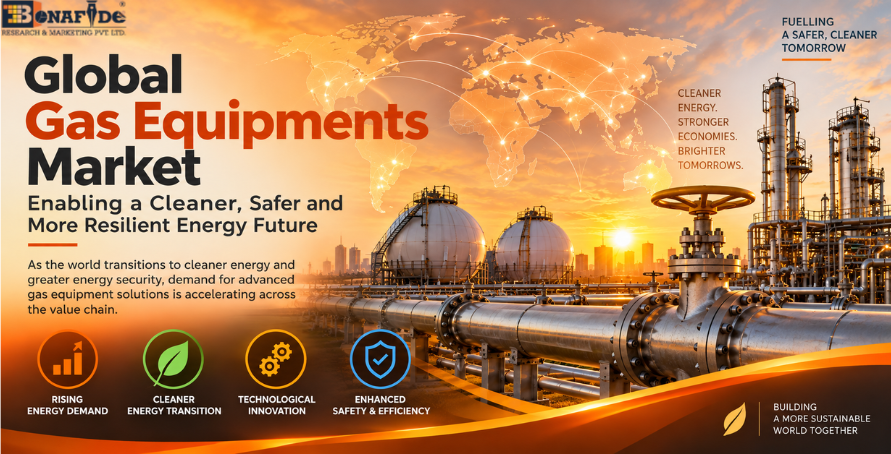
Gas Equipment Market is gaining momentum as industries worldwide invest in safer, more reliable, and efficient ways to produce, process, store, transport, and use gases. Gas equipment is essential across natural gas and LNG infrastructure, industrial gas production, healthcare, chemicals, metals, electronics, semiconductors, food processing, manufacturing, and energy applications. The market includes
gas delivery systems, compressors,
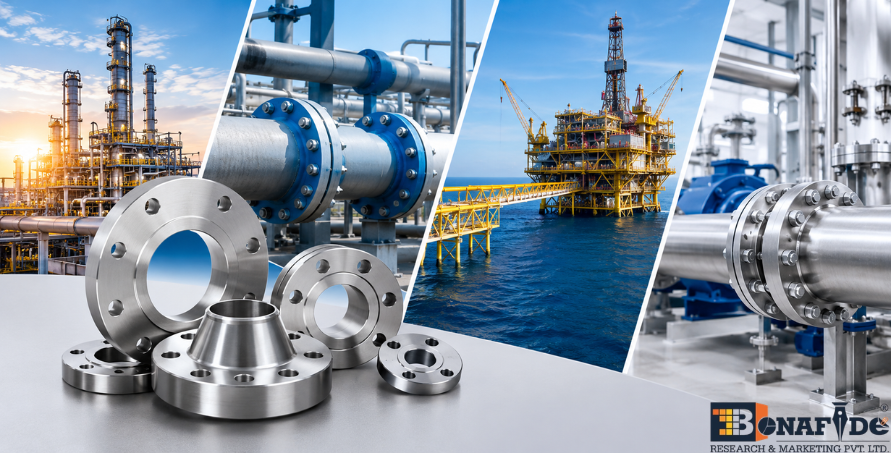
valves, regulators, purification units, storage systems, meters, pressure-control equipment, gas generation systems, and gas detection technologies. Demand is being supported by LNG and natural gas infrastructure expansion, rising industrial gas consumption, healthcare development,
semiconductor manufacturing, and increasing focus on workplace safety and emissions management. Asia-Pacific leads the global market, supported by strong manufacturing activity, semiconductor production, industrial gas consumption, LNG investments, and infrastructure development across China, India, Japan, South Korea, Taiwan, and Southeast Asia. North America benefits from established gas infrastructure, LNG development, shale gas production, and modernization of aging assets, while Europe is supported by energy-security initiatives, LNG investments, industrial modernization, hydrogen development, and stricter environmental and safety standards. South America is creating opportunities through natural gas, LNG, mining, manufacturing, healthcare, and infrastructure projects, while the Middle East and Africa are supported by oil and gas development, LNG projects, petrochemical expansion, and industrial diversification. Across regions, customers are increasingly seeking equipment that delivers reliability, energy efficiency, leak prevention, remote monitoring, and lower maintenance requirements. The industry is also moving toward connected equipment,
smart sensors, automated controls, and
digital monitoring platforms. Meanwhile, hydrogen,
biomethane, and other lower-carbon gases are creating new opportunities for specialized compressors, storage systems, valves, detection technologies, and delivery solutions.
According to the research report, "Global Gas Equipment Market Outlook, 2031," published by Bonafide Research, the Global Gas Equipment Market Outlook was valued at more than USD 81.97 Billion in 2025, and expected to reach a market size of more than USD 120.03 Billion by 2031 with the CAGR of 6.73% from 2026-2031. The global gas equipment industry is being shaped by infrastructure investment, industrial expansion, technological development, and changing safety expectations. Manufacturers are increasingly competing on reliability, energy efficiency, gas purity, automation, connectivity, product life, and after-sales support. The market is also moving toward integrated solutions that combine gas generation, purification, delivery, monitoring, detection, automation, and maintenance capabilities. Recent industry activity highlights this shift, including Teledyne Gas & Flame Detection's PS DUO portable dual-gas detector, Honeywell's Hydrogen Leak Detector using Thermal Conductivity Detection technology, Teledyne's localized
sensor manufacturing initiative in Saudi Arabia, and Dr?ger's connected X-am 2800 multi-gas detector. These developments reflect growing demand for portable safety solutions, hydrogen detection, regional manufacturing, and connected monitoring. Manufacturers also face pressure from fluctuations in steel, specialty alloys,
electronic components, sensors, valves, seals, polymers, and other precision components. Energy costs, transportation expenses, exchange-rate movements,
certification requirements, and supply-chain conditions can affect equipment pricing and project timelines. In response, companies are strengthening regional production, distribution, and technical-service networks. Product development is increasingly focused on energy-efficient compressors, precise flow control, advanced purification, smart delivery systems, connected monitoring, hydrogen-compatible equipment, and
predictive maintenance. Suppliers that can combine dependable equipment with digital capabilities, application expertise, technical support, and regional availability are likely to remain competitive as customers increasingly seek complete gas management solutions.
Gas Delivery Systems is the Largest Equipment Segment, Supported by the Essential Role of Reliable Gas Distribution Across Energy, Industrial, Healthcare, and High-Purity Applications. Gas delivery systems hold the largest share because almost every gas-consuming facility requires a dependable method of moving gas from its source to the point of use. The segment includes pipelines, valves, regulators, manifolds, pressure-control devices, flow-control equipment, gas cabinets, and related distribution components. Demand is closely linked with natural gas networks, LNG facilities, industrial gas plants, hospitals, chemical facilities, and semiconductor manufacturing sites. North America benefits from its large installed gas infrastructure, while Europe is seeing continued investment in modernization and energy security. Asia-Pacific generates strong demand through industrial expansion, semiconductor fabrication, electronics manufacturing, and LNG development. South America is supported by energy and industrial projects, while the Middle East and Africa benefit from oil and gas developments, LNG projects, petrochemical facilities, and industrial expansion. High-purity applications are making delivery equipment increasingly sophisticated, particularly in semiconductor manufacturing, where pressure, flow, and purity must be tightly controlled. Safety requirements are also encouraging investment in leak detection, automated shut-off systems, pressure monitoring, and remote diagnostics. The emergence of hydrogen and alternative gases is creating additional demand for specialized materials, components, and safety technologies. These broad infrastructure requirements keep gas delivery systems firmly positioned as the largest equipment segment.
Electronics & Semiconductors is the Fastest-Growing End-Use Sector, Driven by Expanding Chip Manufacturing, AI Infrastructure, and Rising Demand for High-Purity Gas Systems. Electronics and semiconductors are expected to be the fastest-growing end-use sector as global investment in chip manufacturing continues to expand. Semiconductor fabrication depends on controlled supplies of
nitrogen,
oxygen, hydrogen, argon, and specialty gases for deposition, etching, cleaning, purging, and wafer processing. This creates demand for high-purity gas delivery systems, gas cabinets, purification equipment, pressure regulators, flow controllers, leak detection systems, and monitoring technologies. North America is experiencing renewed investment in semiconductor manufacturing, while Europe is strengthening domestic chip production and supply-chain resilience. Asia-Pacific remains the dominant semiconductor manufacturing center, with Taiwan, South Korea, China, Japan, and India contributing through fabrication facilities and electronics production. The growth of
artificial intelligence, data centers, electric vehicles, advanced
telecommunications, and consumer electronics is increasing demand for high-performance chips and supporting new fabrication facilities. More advanced semiconductor processes also require tighter control of contamination, gas purity, pressure, and flow. Equipment suppliers are responding with increasingly precise, automated, and connected systems. As semiconductor manufacturers expand capacity and diversify production locations, demand for specialized gas equipment is expected to increase across generation, purification, storage, delivery, monitoring, and safety applications.
Generation is the Largest Process Segment, Supported by Increasing Requirements for Reliable Production of Industrial, Medical, Atmospheric, and Specialty Gases. Generation remains the largest process segment because gas production is fundamental to numerous industrial, healthcare, manufacturing, and commercial applications. Gas generation equipment includes air separation units, gas generators, compressors, purification systems, and supporting control technologies designed to produce gases at required purity, pressure, and volume levels. North America benefits from established industrial gas consumption, healthcare infrastructure, manufacturing, and large-scale production facilities. Europe has demand from chemicals, metals, healthcare, food processing, and manufacturing, while Asia-Pacific is experiencing strong growth through industrialization, semiconductor production, healthcare expansion, and chemical development. South America benefits from mining, manufacturing, healthcare, and industrial activity, while the Middle East and Africa are supported by petrochemicals, oil and gas processing, healthcare, and industrial diversification. On-site generation is becoming increasingly attractive for users that need continuous supplies and greater control over gas availability. Producing gas near the point of use can reduce reliance on delivered cylinders or bulk transportation. Improvements in automation, energy efficiency, purification, and remote monitoring are further improving modern generation systems. Growing investment in hydrogen production is also creating opportunities for specialized generation technologies. These factors support generation as the largest process segment globally.
Atmospheric Gases is the Fastest-Growing Gas Type Segment, Supported by Broad Industrial Applications and Rising Demand from Healthcare, Electronics, and Semiconductor Manufacturing. Atmospheric gases, including nitrogen, oxygen, and argon, are expected to be the fastest-growing gas type segment because they serve a wide range of industrial and commercial applications. Nitrogen is important in semiconductor manufacturing, electronics,
food packaging, chemical processing, metal production, and inerting, while oxygen is widely used in healthcare, steelmaking, wastewater treatment, and industrial combustion. Argon is extensively used in welding,
metal fabrication, electronics, and specialty manufacturing. Asia-Pacific is a major source of growth because of its manufacturing base, semiconductor industry, healthcare expansion, and industrial development. North America benefits from advanced manufacturing and healthcare demand, while Europe is supported by manufacturing, chemicals, metals, healthcare, and environmental applications. South America is driven by mining, manufacturing, healthcare, and food processing, while the Middle East and Africa are creating opportunities through petrochemicals, healthcare, infrastructure, and industrial development. Semiconductor manufacturing is particularly important because advanced fabs require continuous supplies of high-purity nitrogen and other atmospheric gases. Healthcare expansion is also increasing demand for medical oxygen systems. Growing adoption of on-site generation is helping facilities improve supply reliability and reduce dependence on cylinders and bulk deliveries. These broad applications and continued industrial expansion support atmospheric gases as the fastest-growing gas type segment.
Asia-Pacific is the Leading Regional Market, Supported by Large-Scale Manufacturing, Semiconductor Expansion, Industrial Gas Consumption, and Continued Infrastructure Development. Asia-Pacific leads the global gas equipment market because it combines a large industrial base with rapid manufacturing expansion, significant semiconductor production, growing healthcare infrastructure, and continued investment in natural gas and LNG facilities. China is a major contributor because of its manufacturing sector, industrial gas consumption, energy infrastructure, electronics production, chemical industry, and semiconductor development. India is gaining importance through manufacturing expansion, healthcare infrastructure, LNG facilities, industrial gas consumption, and semiconductor-related investments. Japan and South Korea generate strong demand from semiconductor, electronics, automotive, chemical, and advanced manufacturing industries, while Taiwan's semiconductor ecosystem requires extensive high-purity gas generation, purification, delivery, storage, and monitoring systems. Southeast Asian countries are creating additional opportunities through industrialization, electronics manufacturing, LNG infrastructure, healthcare investment, and urban development. North America remains an important market due to its established gas infrastructure and LNG development, while Europe benefits from energy security, LNG investment, hydrogen projects, and infrastructure modernization. South America is supported by natural gas, LNG, mining, manufacturing, and healthcare investment, while the Middle East and Africa are benefiting from oil and gas, LNG, petrochemical, and industrial diversification projects. Asia-Pacific's combination of manufacturing scale, semiconductor capacity, infrastructure investment, and rising industrial gas consumption is expected to maintain its leading position in the global gas equipment market.















 We are friendly and approachable, give us a call.