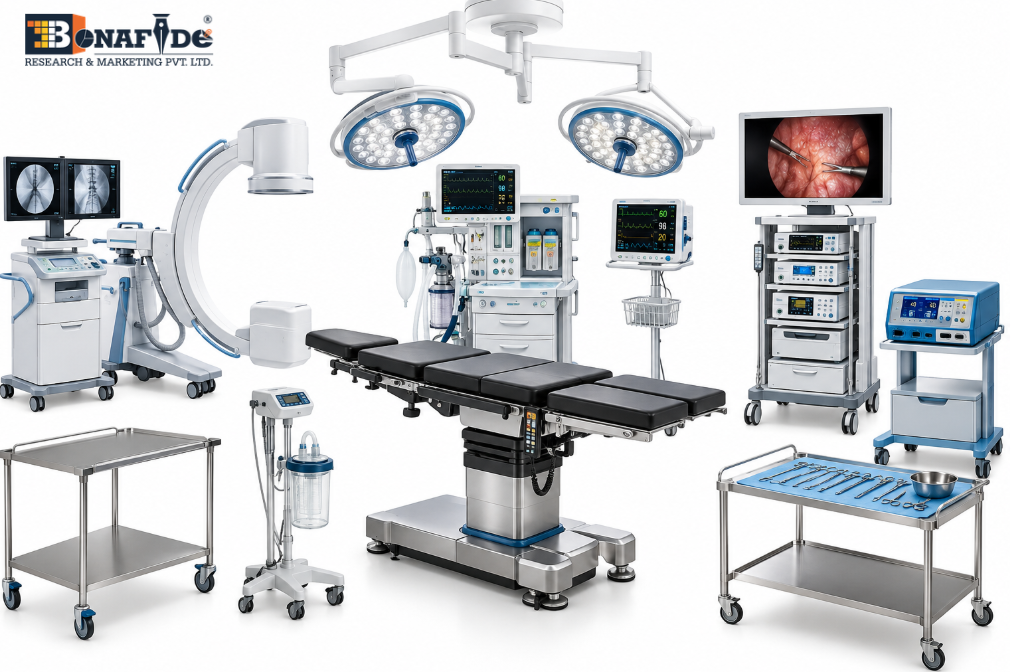
The global sterilization equipment market comprises the machinery and systems used to eliminate viable microorganisms from medical instruments, devices, pharmaceutical components, laboratory materials, and other products requiring controlled sterilization. Its relevance is closely connected with infection prevention, patient safety, medical-device manufacturing, and the safe reuse of critical healthcare instruments. The World Health Organization identifies decontamination and reprocessing of medical devices as an important component of preventing healthcare-associated infections and notes that these activities require dedicated infrastructure, equipment, sequential processing steps, quality control, and validation. The market includes steam autoclaves, dry-heat systems, ethylene oxide sterilizers, radiation systems, vaporized hydrogen peroxide equipment, and other specialized technologies selected according to device materials, design,
packaging, and intended use. The U.S. FDA recognizes multiple sterilization methods, including moist heat, dry heat, radiation, ethylene oxide, vaporized hydrogen peroxide, chlorine dioxide, vaporized peracetic acid, and
nitrogen dioxide. Growth drivers include increasing surgical and diagnostic procedures, expansion of healthcare facilities, greater emphasis on infection prevention, wider use of reusable medical devices, growth of pharmaceutical and biotechnology manufacturing, and the development of increasingly complex heat-sensitive
medical equipment. CDC notes that most medical and
surgical devices are heat stable and therefore commonly undergo steam sterilization, while the increasing use of plastics and other heat-sensitive materials has expanded the need for low-temperature sterilization technologies. The market is associated with major organizations and standards bodies including the World Health Organization, U.S. FDA, CDC, ISO, and professional organizations involved in sterilization and infection-control standards. Their activities include developing technical guidance, establishing or recognizing consensus standards, supporting sterilization validation, monitoring infection-control practices, evaluating new sterilization technologies, and addressing safety and environmental concerns. The FDA, for example, conducts medical-device sterilization town halls, works with manufacturers and sterilization experts, recognizes relevant consensus standards, and supports alternative technologies intended to reduce reliance on ethylene oxide while maintaining device safety and supply continuity.
The global sterilization equipment market is supported by a broad ecosystem of manufacturers, healthcare providers, medical-device companies, pharmaceutical producers, contract sterilizers, component suppliers, distributors, and regulatory bodies, with companies such as STERIS, Getinge, 3M, Sotera Health, MMM Group, Belimed, and ASP participating across equipment, sterilization technologies, consumables, monitoring, or related services. STERIS and Getinge are notable equipment suppliers, while Getinge’s portfolio includes steam and low-temperature sterilizers, loading equipment, trays, baskets, transport systems, and sterile-processing consumables, illustrating how suppliers increasingly provide complete workflow solutions rather than standalone machines. The supply chain generally begins with specialized suppliers of
stainless steel, electronics, sensors, pumps,
valves, chambers, control systems, packaging materials, sterilants, and other components; manufacturers then integrate these into sterilization systems, validate the equipment and processes, and distribute products through direct sales, distributors, healthcare procurement networks, or contract-service channels. The downstream side includes hospitals, clinics, laboratories, pharmaceutical and biotechnology facilities, medical-device manufacturers, and third-party sterilization providers. A major supply-chain development is the industry's effort to reduce dependence on ethylene oxide (EtO), which remains widely used for medical-device sterilization because it can process polymers, metals, glass, multilayer packaging, and difficult-to-reach areas such as
catheters without damaging many heat-sensitive products. The U.S. FDA states that EtO remains important for many devices while simultaneously pursuing alternatives and strategies to reduce emissions. The FDA has conducted innovation challenges involving companies including NovaSterilis and Noxilizer and has also worked with Abbott and Becton, Dickinson and Company on EtO-reduction approaches.
Consumables and accessories occupy a recurring position within the sterilization workflow because sterilization does not end when a sterilizer completes its cycle; processed instruments must also be packaged, monitored, protected, transported, and stored without compromising sterility. The CDC specifically recommends compatible sterilization packaging that can resist punctures and tears and maintain a microbial barrier, while also requiring mechanical, chemical, and biological monitoring of sterilization processes. This creates continuous utilization of items such as sterilization pouches, wraps, containers, tapes, chemical indicators, biological indicators, labels, filters, trays, and other supporting products. Chemical indicators are particularly important because they help identify whether appropriate sterilization conditions reached the package, while biological indicators provide a more direct assessment of sterilizer effectiveness. Unlike the sterilizer itself, which is generally a capital purchase used over an extended period, many supporting products are consumed during individual processing cycles or require periodic replacement. This gives consumables and accessories a naturally recurring demand pattern. WHO describes medical-device reprocessing as a sequence extending from collection and cleaning through processing, storage, and distribution, with quality control and validation required throughout the process. The increasing variety of reusable devices also creates demand for accessories designed around different load configurations, packaging requirements, sterilization methods, and instrument geometries. Complex instruments may require appropriate trays, containers, protective systems, and monitoring products to ensure sterilant exposure and preserve sterility afterward. Packaging is particularly important because an effectively sterilized instrument can become contaminated if its protective barrier is damaged or improperly handled. CDC guidance therefore emphasizes maintaining package integrity and using appropriate packaging compatible with the sterilization process.
Low-temperature sterilization is gaining importance as medical-device design becomes more complex and increasingly incorporates plastics, polymers, electronics, adhesives, sensors, optical components, and narrow internal pathways that may not tolerate conventional steam conditions. WHO states that steam or moist heat is preferred for heat-resistant critical devices, while heat-sensitive devices require alternative sterilization approaches such as ethylene oxide and hydrogen peroxide-based methods. The U.S. FDA similarly recognizes multiple sterilization modalities, including ethylene oxide, vaporized hydrogen peroxide, radiation, moist heat, and other technologies, because medical devices differ substantially in material composition and design. Ethylene oxide remains important for devices containing certain polymers, metals, glass, multilayer packaging, or difficult-to-reach areas such as catheters because the gas can penetrate complex configurations without exposing products to the temperatures associated with steam sterilization. At the same time, vaporized hydrogen peroxide is gaining regulatory recognition as a low-temperature option. The FDA updated its sterilization guidance in 2024 and recognized vaporized hydrogen peroxide as an Established Category A sterilization process following recognition of ISO 22441:2022, which specifies requirements for developing, validating, and routinely controlling low-temperature vaporized hydrogen peroxide sterilization processes. This regulatory development is significant because it supports broader adoption of a validated alternative for appropriate medical devices. Low-temperature systems are especially relevant to minimally invasive equipment,
electronic components, delicate
diagnostic devices, and other products whose functionality could be compromised by high temperatures or moisture.
Pharmaceutical and biotechnology companies have a particularly intensive relationship with sterilization because contamination can affect not only individual equipment items but also entire manufacturing processes and batches of medicines. Sterile pharmaceutical production involves carefully controlled facilities, equipment, components, containers, closures, fluids, and manufacturing processes designed to prevent microbial contamination. The European Medicines Agency's GMP Annex 1 places strong emphasis on contamination-control strategies, sterilization processes, cleanroom controls,
environmental monitoring, and validation for sterile medicinal-product manufacturing. These requirements make sterilization and associated contamination-control infrastructure an integral part of pharmaceutical operations rather than an optional support activity. Pharmaceutical manufacturers may sterilize production equipment, components, containers, closures, filters, transfer systems, and other materials depending on the manufacturing process and product characteristics. Biotechnology strengthens this requirement because products such as
vaccines, recombinant proteins, cell-based products, and other biological medicines can be particularly sensitive to microbial contamination and may not tolerate conventional terminal sterilization. In such circumstances, manufacturers can rely on aseptic processing combined with sterilization of compatible equipment and components. FDA guidance on sterile drug products recognizes that aseptic processing may be necessary when terminal sterilization could adversely affect product quality. The emphasis on contamination-control strategy also means companies must consider the entire manufacturing system rather than relying on a single sterilization step.
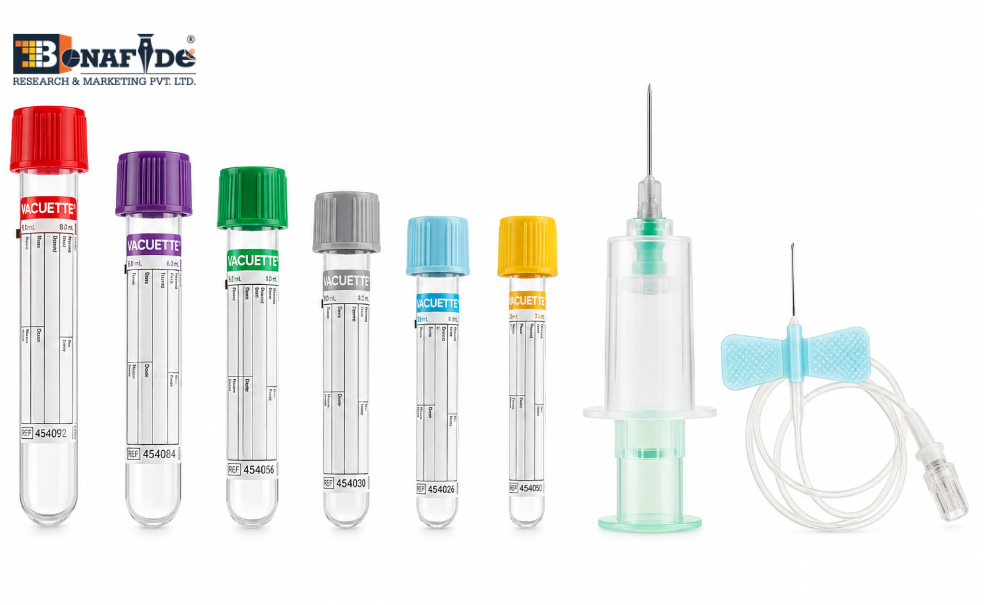
Diagnostic equipment is becoming increasingly relevant to sterilization because modern diagnostic procedures involve a broad range of instruments and accessories that may contact patients, tissues, mucous membranes, specimens, or biological fluids. Not every diagnostic device requires sterilization, but devices are processed according to the level of infection risk associated with their intended use. WHO's Spaulding classification identifies devices that enter sterile body cavities or break the skin or mucous
membrane as critical items requiring sterilization, while devices contacting mucous membranes or non-intact skin generally require high-level disinfection. This distinction is important because diagnostic technology increasingly includes reusable probes, endoscopic equipment, biopsy instruments, sampling components, and other patient-contact devices. Complex diagnostic systems may also incorporate plastics, electronics, optical elements, sensors, adhesives, seals, and narrow channels that cannot always tolerate conventional high-temperature steam. For such equipment, low-temperature sterilization or other validated processing approaches may be required when permitted by the manufacturer's instructions. The FDA recognizes a range of sterilization technologies for medical devices, including steam, dry heat, radiation, ethylene oxide, vaporized hydrogen peroxide, and other specialized methods. Diagnostic laboratories create another layer of contamination-control requirements because cross-contamination can affect specimen integrity and potentially influence test results.
Laboratory equipment, reusable components, and specimen-handling systems therefore require appropriately validated cleaning and decontamination procedures.





 We are friendly and approachable, give us a call.