The Global
Flue Gas Desulfurization (FGD) market is being shaped by the growing emphasis on reducing sulfur dioxide emissions from power generation, marine transportation, and heavy industries. Environmental regulations across major economies continue to be a key factor supporting FGD adoption, as governments and industries focus on improving air quality and meeting emission compliance targets. The International Maritime Organization’s MARPOL Annex VI sulfur regulations, which came into effect on January 1, 2020, introduced a Global sulfur limit of 0.50% for marine fuels and a stricter 0.10% limit within Emission Control Areas, encouraging ship operators to either use low-sulfur fuels or install exhaust gas cleaning systems. On land, regulatory frameworks such as the U.S. Environmental Protection Agency’s sulfur dioxide emission standards under the National Ambient Air Quality Standards continue to influence industrial emission control strategies. In addition, updated wastewater discharge requirements for steam electric power plants have increased the importance of effective FGD wastewater management solutions. Europe’s Industrial Emissions Directive remains a major driver for emission reduction investments, while China’s ultra-low emission policies have significantly expanded the installation and upgrading of FGD systems across coal-fired power plants and industrial facilities. In India, recent regulatory changes have created a more selective market environment by reducing FGD installation requirements for certain categories of coal-fired power plants while maintaining compliance obligations for priority facilities. As a result, market growth is becoming increasingly dependent on regional regulations, industrial modernization programs, and the ability of companies to adopt cost-effective emission control solutions.
According to the research report "Global Flue Gas Desulfurization Market Outlook, 2031," published by Bonafide Research, the Global Flue Gas Desulfurization market was valued at more than USD 23.72 Billion in 2025, and expected to reach a market size of more than USD 31.94 Billion by 2031 with the CAGR of 5.22% from 2026-2031. Beyond regulatory factors, the FGD market is evolving through technological improvements, industry consolidation, and changing operational requirements. Industries are increasingly exploring advanced FGD solutions, including dry and semi-dry systems, seawater-based technologies, and optimized process designs that can improve efficiency while reducing water consumption and operating complexity. Strategic developments within the air pollution control sector, such as MARTIN GmbH’s acquisition of LUEHR
FILTER GmbH, highlight the growing focus on expanding capabilities across wet, dry, and hybrid flue gas treatment solutions. At the same time, research and development activities are exploring technologies such as machine learning-based process optimization and hybrid oxidation approaches to improve FGD performance, energy efficiency, and pollutant removal capabilities. The availability and cost of raw materials, particularly
limestone and lime used in wet FGD systems, remain important considerations affecting project economics and long-term operational costs. Water availability is also influencing technology selection, with low-water and wastewater-minimizing FGD solutions gaining attention in regions facing resource constraints. Seawater FGD systems continue to be considered for suitable coastal facilities due to their operational advantages, while dry and semi-dry systems are becoming more relevant where water conservation is a priority. Overall, the Global FGD market is expected to develop through a combination of stricter environmental policies, technological advancements, regional market differences, and increasing demand for reliable emission control solutions that support regulatory compliance and cleaner industrial operations.
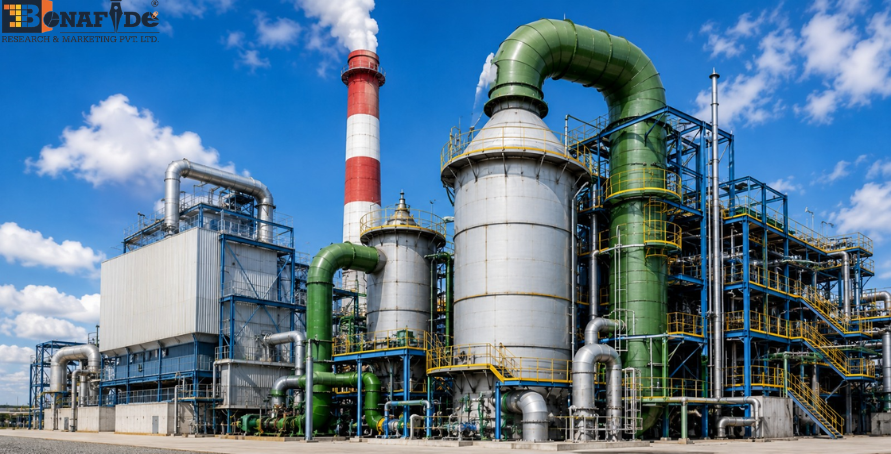
Wet Flue Gas Desulfurization systems remain the leading choice for large industrial emission sources because they provide a dependable method for removing sulfur dioxide from high-volume exhaust streams generated by power plants and heavy industries. The technology typically uses a limestone-based slurry that reacts with sulfur dioxide in flue gases, converting the pollutant into stable compounds that can be processed into gypsum for use in construction materials when suitable conditions exist. This well-established process has been widely implemented in coal-fired power plants, refineries,
cement plants, steel facilities, and other industries where continuous emission control performance is required. One of the main reasons operators select wet FGD is its ability to maintain effective sulfur dioxide removal even under demanding operating conditions and large variations in flue gas flow. The technology has been refined through decades of industrial experience, creating a strong knowledge base for design, operation, maintenance, and system upgrades. In addition to controlling sulfur dioxide, wet FGD systems can also reduce certain acidic pollutants such as hydrogen chloride and hydrogen fluoride while helping capture some particulate-associated contaminants, improving overall exhaust gas quality. Large industrial economies, particularly those with extensive thermal power generation and energy-intensive manufacturing, have adopted wet FGD as part of their environmental compliance strategies. Although these systems require greater water consumption, larger installation areas, and additional wastewater management compared with dry or semi-dry alternatives, their reliability and high treatment performance remain major advantages. The availability of experienced engineering companies, equipment suppliers, and maintenance specialists further supports their continued use. For facilities where emission volumes are high and consistent sulfur dioxide reduction is essential, wet FGD continues to provide a proven and dependable approach to meeting environmental requirements.
Waste-to-energy facilities are gaining greater importance in the Flue Gas Desulfurization industry because they combine waste treatment and energy recovery while operating under strict environmental requirements. Unlike conventional power plants that typically use more consistent fuels, waste-to-energy plants process mixed municipal waste streams containing different materials that can produce varying levels of sulfur dioxide and other pollutants during combustion. This changing fuel composition requires advanced
flue gas treatment systems capable of maintaining stable emission performance under fluctuating operating conditions. Modern waste-to-energy plants commonly use integrated air pollution control systems that may include wet or dry scrubbers, semi-dry reactors, particulate filters,
activated carbon injection, and other treatment technologies to control sulfur dioxide, acid gases, heavy metals, and other combustion-related pollutants. Countries such as Japan and several European nations have developed extensive waste-to-energy infrastructure because limited landfill availability and strict environmental regulations encourage controlled waste processing methods. At the same time, many developing economies are improving municipal
waste management systems by moving away from unmanaged disposal practices and investing in modern waste treatment facilities. In these plants, FGD systems are essential for maintaining compliance with emission limits and ensuring safe operation near urban communities. Waste-to-energy facilities also require flexible desulfurization solutions because pollutant levels can change depending on waste composition, seasonal waste patterns, and operating conditions. The ability of FGD systems to adjust treatment performance helps operators maintain reliable environmental performance throughout plant operation. Beyond emission control, waste-to-energy supports broader sustainability goals by reducing landfill dependency, recovering energy from waste, and improving resource management. As cities continue focusing on cleaner waste handling methods and stricter environmental protection, Flue Gas Desulfurization systems are becoming an increasingly important part of modern waste-to-energy infrastructure.
Brownfield retrofit projects have become one of the most important approaches for Flue Gas Desulfurization installation worldwide because a large number of power plants and industrial facilities already in operation were developed before today’s stricter sulfur dioxide emission standards were introduced. For many operators, improving the environmental performance of these assets is more practical than constructing replacement facilities, especially when existing plants continue providing essential electricity, industrial output, and economic value. Retrofit FGD systems allow companies to integrate modern emission control equipment into operating sites by utilizing existing boilers, flue gas channels, electrical connections, and supporting utilities while adding new components such as absorbers, reagent handling systems,
wastewater treatment equipment, and continuous emissions monitoring systems. This approach is widely relevant across coal-fired power plants, refineries, cement manufacturing units, steel plants, and other heavy industries where facilities are designed for long operational lifecycles. Upgrading these assets enables operators to meet changing environmental requirements while minimizing disruption to ongoing production activities. However, brownfield projects require detailed technical planning because older plants may have limitations related to available space, structural capacity, equipment compatibility, and integration with existing pollution control systems. Engineers often need to modify ductwork, electrical systems, control platforms, and auxiliary equipment to ensure the new FGD installation functions effectively with the original plant configuration. Advances in automation, modular equipment design, and
digital monitoring have improved retrofit flexibility by making system integration and operational control more efficient. Brownfield modernization is particularly valuable in regions where existing industrial assets remain important for energy reliability and manufacturing output while environmental standards continue becoming more demanding. Although new facilities can include emission control systems during initial construction, the large Global base of operating industrial plants makes retrofit FGD solutions a practical and widely used method for reducing sulfur dioxide emissions, improving environmental performance, and extending the operational life of existing infrastructure.
Sodium-based reagents such as sodium bicarbonate and sodium carbonate are gaining attention in specific Flue Gas Desulfurization applications because they provide practical advantages for facilities that require efficient sulfur dioxide control with simpler process arrangements. These reagents are primarily used in dry and semi-dry desulfurization systems, where quick chemical reaction between the sorbent and sulfur dioxide is necessary because the contact time between flue gas and reagent particles is limited. Their high reactivity allows industries to achieve effective sulfur dioxide reduction using compact equipment designs that can be easier to integrate compared with larger wet scrubbing installations. A major reason operators select sodium-based solutions is their reduced dependence on water. This advantage is particularly valuable for plants located in water-constrained areas or facilities where wastewater treatment capacity and site space are limited. Sodium bicarbonate can be processed into fine particles, increasing the available reaction
surface and improving interaction with sulfur-containing gases. Because of these characteristics, sodium-based technologies are used in applications such as waste-to-energy plants, cement manufacturing,
industrial boilers, glass production, chemical processing, and selected metal industries. Another benefit is the handling of dry reaction by-products, which can often be collected through existing particulate control equipment without requiring extensive wastewater treatment infrastructure. This simplified design makes sodium-based systems attractive for retrofit projects where operators need to improve environmental performance while minimizing major changes to existing plant layouts. The technology also provides operational flexibility because reagent injection can be adjusted quickly when sulfur dioxide levels vary due to changes in fuel characteristics, production rates, or operating conditions. Although wet limestone FGD remains the established choice for many large-scale power plants because of its ability to process very high flue gas volumes, sodium-based reagents provide a valuable alternative for industries that prioritize rapid response, lower water consumption, and compact emission control solutions. These advantages continue supporting their role in specialized sulfur dioxide reduction applications across Global industrial sectors.














 We are friendly and approachable, give us a call.