The global
diabetes care devices market comprises
medical equipment and technologies designed to monitor blood glucose levels, administer insulin, and support the effective management of diabetes across hospitals, clinics, pharmacies, and homecare settings. Major product categories include blood glucose meters, test strips, continuous glucose monitoring (CGM) systems,
insulin pens, syringes,
insulin pumps, and connected diabetes management solutions. The market plays an important role in helping patients and healthcare professionals make informed treatment decisions, monitor glucose fluctuations, and reduce the risk of complications associated with poorly controlled diabetes. A major growth driver is the increasing prevalence of diabetes worldwide, influenced by factors such as aging populations, obesity, physical inactivity, dietary changes, and genetic susceptibility. Growing awareness of early diagnosis and the importance of regular glucose monitoring further supports device adoption. Technological advancements are also transforming diabetes management through wearable sensors, smartphone connectivity, smart insulin pens, and automated insulin delivery systems that can integrate glucose readings with insulin administration. These innovations can improve convenience, provide more detailed glucose information, and support personalized treatment when appropriately prescribed and used. The market is closely associated with pharmaceutical companies,
medical device manufacturers, healthcare providers, diagnostic services,
digital health developers, and regulatory authorities. Its activities extend beyond manufacturing and selling equipment to research and development, clinical testing, regulatory approvals, product distribution, software integration, patient education, technical support, and the supply of recurring consumables such as sensors, needles, infusion sets, and test strips. Healthcare policies, insurance coverage, reimbursement arrangements, and device affordability also influence access to these technologies. As diabetes care increasingly incorporates preventive monitoring and home-based treatment, manufacturers are focusing on easier-to-use products, improved accuracy, interoperability, and patient-centered design.
According to the research report, “Global Diabetes Care Devices Market Overview, 2031” published by Bonafide Research, the Global Diabetes Care Devices Market is expected to cross 70.73 Billion market size by 2031, with 10.12% CAGR by 2026-31.The global diabetes care devices market includes technologies used to monitor blood glucose, administer insulin, and improve daily diabetes management, with major companies such as Abbott Laboratories, Dexcom, Medtronic, Insulet Corporation, Tandem Diabetes Care, Roche Diabetes Care, and Becton Dickinson competing through product innovation and distribution networks. Growth opportunities are emerging from the increasing prevalence of diabetes, wider adoption of continuous glucose monitoring (CGM), demand for home-based care, and the integration of monitoring devices with smartphones and automated insulin delivery systems. A notable development occurred in September 2025, when Medtronic received US FDA clearance for integrating its MiniMed 780G insulin
pump with Abbott’s Instinct CGM
sensor, expanding interoperability between products from different manufacturers. In another important development, the US FDA authorized Abbott’s Libre Duo system in August 2026, enabling continuous monitoring of both glucose and ketone levels through one wearable device, creating opportunities for earlier detection of potentially dangerous metabolic complications. The supply chain begins with sourcing specialized components, including biosensor materials, electronic chips, plastics, batteries, adhesives, and medical-grade components. Manufacturers then undertake product design, sensor fabrication, device assembly, software integration, quality testing, and regulatory compliance before distributing finished products through wholesalers, hospitals, pharmacies, specialist suppliers, and online channels. Reliable sourcing is essential because sensor production requires precision manufacturing, consistent quality, and validated performance. Distribution is followed by patient training, technical support, and the recurring supply of consumables such as sensors, infusion sets, needles, and test strips. Opportunities also exist in emerging economies, where improved healthcare infrastructure, local manufacturing, affordable devices, and expanded reimbursement could improve access.
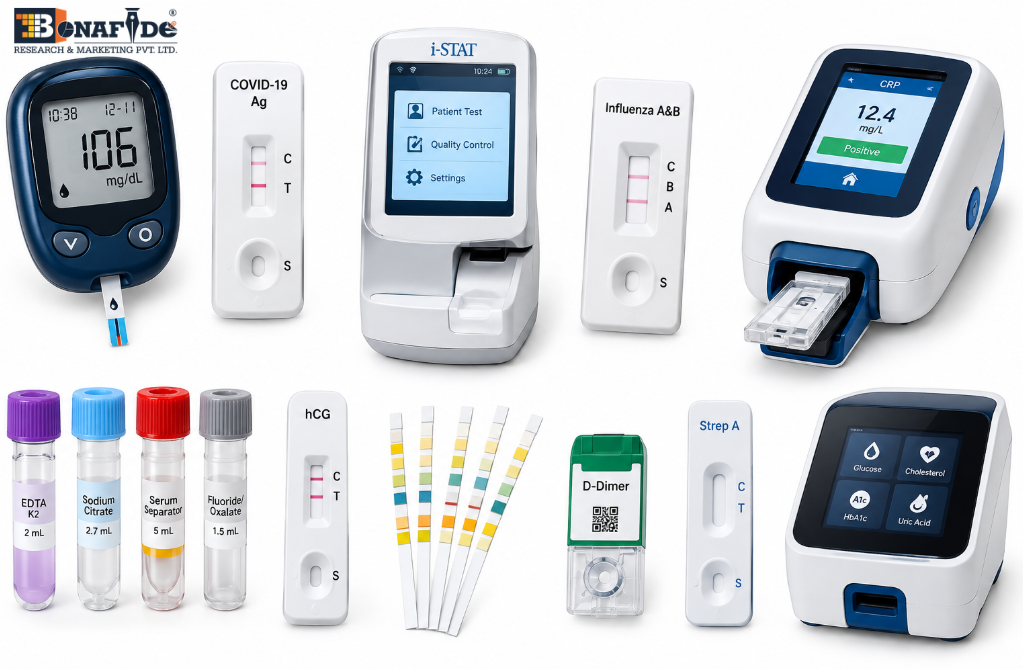
Blood glucose monitoring devices are becoming increasingly important because effective diabetes management relies on understanding how glucose levels respond to food intake, physical activity, medication, illness, and changes in daily routines. This segment includes conventional blood glucose meters, test strips, lancets, and continuous glucose monitoring systems that provide recurring readings through sensors placed on or under the skin. The US Food and Drug Administration explains that blood glucose meters use a small blood sample and a compatible test strip to measure glucose, helping patients and healthcare professionals assess treatment effectiveness, recognize potentially dangerous glucose levels, and understand the effects of diet and exercise. One important driver is the shift toward patient participation in long-term disease management, as many people need to monitor their glucose outside hospitals and during ordinary activities. Traditional meters remain valuable because they are portable and widely established, while continuous monitoring systems can reveal glucose trends and fluctuations that occasional finger-prick measurements may miss. Connectivity features can also transfer readings to smartphones or compatible healthcare platforms, making it easier to review patterns during clinical consultations. Another factor supporting adoption is the expanding need to manage type 2 diabetes, where monitoring requirements differ according to medication, risk of hypoglycemia, and individual treatment goals. People using insulin may need frequent measurements to guide dosing, while selected patients receiving other treatments may benefit from monitoring to understand their response to lifestyle changes or medication adjustments. Manufacturers are responding through improvements in sensor design, usability, data sharing, and device integration. However, monitoring frequency and device selection should be individualized, because continuous monitoring is not necessary for every person with diabetes.
The prominence of type 2 diabetes in the diabetes care devices market reflects the number of people affected and the variety of monitoring needs that arise throughout the course of the disease. According to the US Centers for Disease Control and Prevention, approximately 90% to 95% of Americans diagnosed with diabetes have type 2 diabetes, demonstrating its substantial contribution to the overall diabetes burden in the United States. This condition develops when the body becomes resistant to insulin or the pancreas cannot produce enough insulin to maintain normal blood glucose levels. Risk factors include overweight or obesity, physical inactivity, increasing age, family history, and a history of gestational diabetes, although the disease can also occur in younger people. Since symptoms may develop gradually or remain unnoticed for years, diagnosis can occur after routine screening or when related health problems lead a person to seek medical attention. Following diagnosis, treatment may involve nutrition changes, physical activity, oral medicines, injectable medications, or insulin, depending on individual clinical requirements. This diversity of treatment pathways creates demand for different types of devices rather than a single product category. Blood glucose meters help patients measure glucose at selected times, while continuous glucose monitoring systems provide more frequent information about changing glucose levels. Monitoring can help eligible patients and healthcare professionals assess the effects of meals, exercise, medication, and illness, supporting more informed treatment adjustments. The need to prevent complications, including cardiovascular disease, kidney damage, nerve damage, and vision impairment, also reinforces the importance of continuing care. Greater awareness, screening initiatives, and the development of more convenient monitoring technologies can further support device adoption.
Home and self-care is gaining importance as diabetes management increasingly extends beyond periodic appointments and hospital visits into everyday life. Because diabetes is a chronic condition, patients often need to monitor glucose, follow prescribed medication schedules, assess the effects of meals and exercise, and recognize signs of potentially dangerous glucose fluctuations between consultations. The US Food and Drug Administration confirms that blood glucose meters are intended for use in both home and healthcare settings, allowing patients to measure glucose using a small blood sample and a compatible test strip. It also notes that home monitoring can help patients and clinicians evaluate treatment adjustments and understand how daily habits influence glucose readings. This practical role supports demand for portable meters, continuous glucose monitoring sensors, insulin pens, needles, and other equipment suitable for personal use. Advances in wearable sensors and smartphone connectivity are making it easier for eligible users to view readings, recognize patterns, and share information with healthcare professionals. Some diabetes management systems also integrate glucose monitoring with insulin delivery, helping selected patients manage treatment with less manual intervention. Home-based care can reduce the need for travel solely to obtain routine measurements and gives patients greater flexibility when managing diabetes alongside employment, education, family responsibilities, and physical activity. It is also relevant for older adults and people who require assistance from caregivers, although device selection must account for dexterity, vision, digital literacy, and individual support needs. Healthcare professionals remain important because patients need guidance on interpreting readings, adjusting treatment safely, and responding to abnormal results. Growth in this segment is also supported by the availability of educational resources,
telehealth consultations, and remote data-sharing services.
Online pharmacies are becoming increasingly relevant to the diabetes care devices market as patients seek convenient ways to purchase products needed for continuous disease management. Unlike occasional healthcare purchases, diabetes care often involves recurring requirements for test strips, lancets, glucose sensors, insulin
pen needles, and other compatible supplies. Digital pharmacy platforms allow customers to browse available products, compare specifications and prices, review delivery options, and reorder frequently used items without visiting a physical store. This convenience is particularly valuable for people with mobility limitations, those living far from specialist retailers, and patients balancing diabetes management with work and family responsibilities. Online ordering can also help users maintain continuity by making it easier to arrange replacement supplies before existing products run out. Depending on local regulations and the pharmacy's services, these platforms may provide prescription processing, pharmacist consultations, order reminders, and information about appropriate product use. The wider adoption of smartphones,
digital payment systems, home delivery networks, and electronic prescriptions supports the development of this channel. Manufacturers and authorized distributors can also reach customers through established
e-pharmacy partnerships, improving product visibility and expanding access to different device brands. However, diabetes devices require particular care in online distribution because meters must be compatible with their test strips, sensors must match the relevant monitoring system, and some products require prescriptions or professional guidance. The US Food and Drug Administration warns consumers against using previously owned test strips and stresses the importance of purchasing appropriate products from reliable sources. It also cautions that unauthorized devices claiming to measure glucose can provide unsafe or inaccurate results.





 We are friendly and approachable, give us a call.