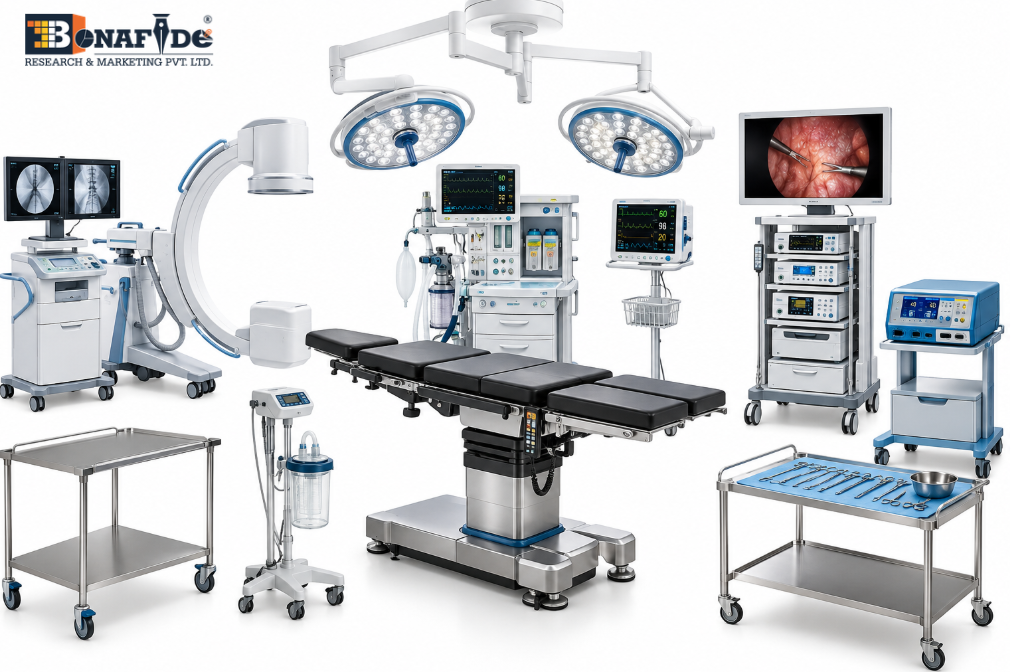
The Global Medical Disposal Products market encompasses all products and technologies used to safely collect treat transport and dispose of healthcare waste including containers sharps bins liners bags autoclaves
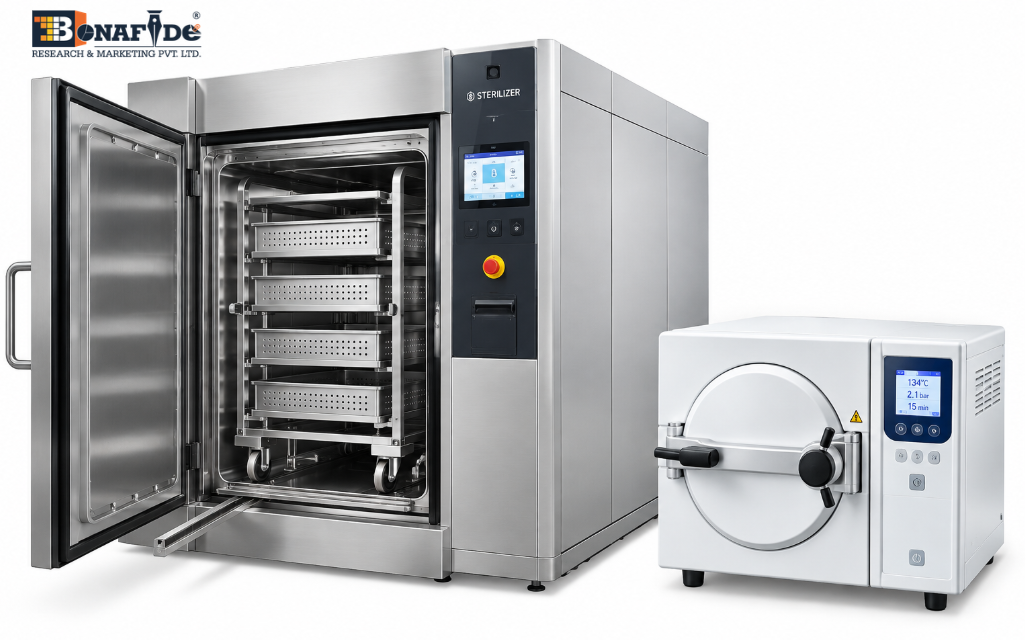
incinerators disinfection systems and tracking solutions that ensure hazardous waste streams do not harm people or the environment. This market is growing rapidly as healthcare infrastructure expands globally driven by rising patient volumes chronic disease prevalence and increased use of single use devices which generate substantial regulated waste that must be managed in compliance with strict standards. Governments and regulatory bodies across regions have implemented stringent policies to govern medical waste disposal practices to protect public health and prevent environmental contamination while ensuring waste handlers and healthcare providers follow clear guidelines, international entities such as the World Health Organization provide standards for safe handling and disposal and many countries enforce laws through environmental protection agencies and occupational safety administrations which require segregation, proper storage, transportation, treatment and final disposal of infectious and hazardous waste. These regulations create a strong compliance environment that propels demand for specialized medical disposal products and services as healthcare facilities seek to meet legal and safety obligations. Alongside regulatory enforcement there are significant opportunities in this market driven by rising environmental concerns, sustainability goals and technological innovation. Adoption of eco-friendly disposal methods such as non incineration treatments, autoclaving, microwave treatment and chemical disinfection is increasing as facilities seek to reduce emissions and waste footprint.
According to the research report "Global Medical Disposal Products Market Outlook, 2031," published by Bonafide Research, the Global Medical Disposal Products market was valued at more than USD 521.91 Billion in 2025, and expected to reach a market size of more than USD 1038.21 Billion by 2031 with the CAGR of 12.46% from 2026-2031. Major players in the market such as Stericycle Veolia Environment SUEZ Clean Harbors Daniels Health and Sharps Compliance have been active in consolidating operations, expanding service portfolios and integrating advanced treatment technologies to meet rising demand and stringent global regulations which emphasize traceability efficiency and environmental sustainability. For instance Stericycle was acquired by
Waste Management Inc in 2024 strengthening its disposal infrastructure and service reach while other key transactions such as Veolia’s acquisition of hazardous waste assets from SUEZ and Clean Harbors’ integration of reusable container technologies demonstrate a broader industry trend towards consolidation to achieve economies of scale and enhance technological offerings. These mergers and strategic alliances enable companies to offer comprehensive waste management solutions covering everything from containment and autoclave systems to
digital tracking platforms that improve operational transparency and compliance. The market is also seeing growth fueled by increased investment in raw materials and manufacturing capacity for essential disposal products such as high density plastics polymers and advanced
composite materials which are used in the production of sharps containers liners and specialized bags that meet global safety standards. Import and export trade in medical disposal products has strengthened as developed markets demand high quality certified equipment while emerging markets in Asia and Latin America import technology and equipment to build out medical disposal infrastructure and comply with global best practices.
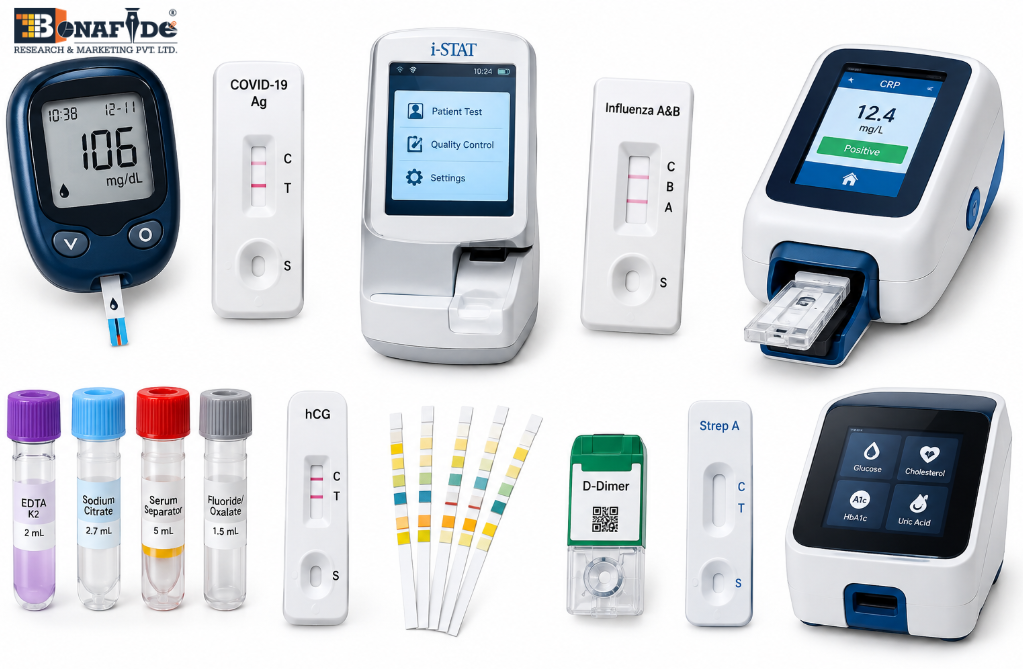
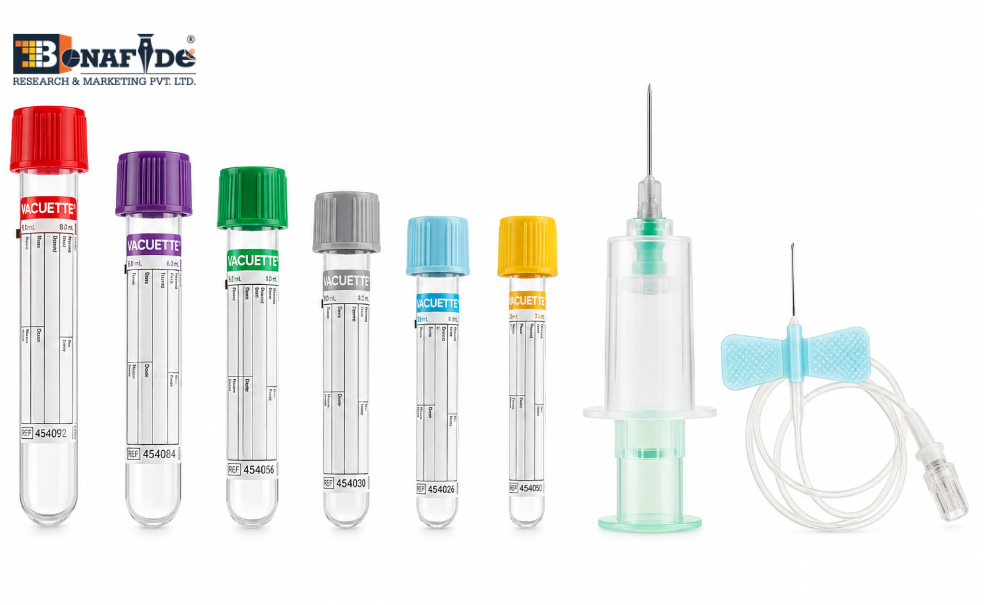
Diagnostic and testing products are experiencing rapid growth in the global medical disposal products market due to the increasing demand for diagnostic procedures and laboratory testing across healthcare systems worldwide, driven by rising prevalence of chronic diseases, growing patient populations, and expanding access to healthcare services. These products include items such as test kits, swabs, sample collection tubes, petri dishes, diagnostic cartridges, and reagents that are designed for single use to prevent cross contamination and ensure accurate results. Every test performed in laboratories, hospitals, or point of care facilities produces disposable waste that is often contaminated with biological materials or chemicals, which must be managed in compliance with stringent biomedical waste regulations. The rising trend of preventive healthcare and early disease detection has increased the frequency of diagnostic tests such as blood glucose analysis, infectious disease testing,
genetic testing, and pathology examinations, thereby multiplying the amount of diagnostic waste that enters disposal streams. Furthermore, the growth of molecular diagnostics, rapid antigen tests, and at home diagnostic kits has contributed to higher volumes of small but highly regulated disposable waste, creating a consistent and fast expanding demand for medical disposal products designed to safely collect, segregate, transport, and treat these items. The market is also supported by technological advancements in diagnostic tools which often use complex plastic and polymer materials combined with reagents that cannot be recycled or reused, further increasing reliance on safe disposal solutions such as autoclaving, chemical disinfection, and specialized incineration.
The Others category in the global medical disposal products market is witnessing rapid growth because it encompasses a wide range of materials beyond traditional plastics, polymers, metals, and glass, including biodegradable materials,
advanced composites, silicon based products, hybrid materials, and other innovative substances used in disposable medical devices, diagnostic tools, and
packaging solutions. These materials are increasingly adopted by healthcare providers and
medical device manufacturers to improve safety, reduce weight, enhance performance, and meet emerging environmental and regulatory standards. For example, biodegradable polymers are being incorporated into single use instruments and containment products to align with sustainability goals, while silicon based and composite materials are used in diagnostic cartridges, microfluidic devices, and other precision testing equipment. As the medical and diagnostic industries innovate and shift toward advanced technologies, the volume of waste generated from these nontraditional materials is growing faster than conventional plastic or metal waste, creating a demand for specialized disposal products and treatment methods that can handle their unique properties. Many of these materials cannot be processed using conventional autoclaving or incineration methods without risk of incomplete treatment or environmental harm, requiring dedicated disposal technologies and infrastructure, which in turn fuels market growth in this category. Regulatory frameworks across the world are increasingly including these new materials under biomedical waste management rules, mandating proper segregation, labeling, collection, and treatment to prevent contamination, infection, and environmental damage, which drives adoption of certified disposal containers and professional waste management services tailored to handle these emerging materials.
Home healthcare settings are witnessing rapid growth in the global medical disposal products market due to the increasing trend of patients receiving medical care at home rather than in hospitals or clinics, driven by factors such as aging populations, the rising prevalence of chronic diseases, cost efficiency, and patient preference for personalized and convenient care. This segment includes patients who self-administer medications such as insulin,
anticoagulants, and biologics, as well as those using
home infusion therapy,
respiratory care devices, dialysis systems, and diagnostic kits, all of which generate single-use waste like syringes, needles, infusion sets, tubing, test strips,
gloves, and collection containers. Unlike hospital waste streams, home healthcare waste is dispersed across numerous residential locations, creating challenges for collection, segregation, and treatment, and necessitating specialized disposal products that are safe, convenient, and compliant with regulatory standards. The global trend toward home-based care is further accelerated by advances in
telemedicine, remote patient monitoring, and
portable medical devices, which enable complex treatments to be administered outside clinical settings while maintaining safety and efficacy. Regulatory authorities in many countries are now extending biomedical waste guidelines to include home-generated medical waste, requiring safe containment, labeling, and treatment to prevent accidental exposure and environmental contamination, which drives demand for dedicated home-use sharps containers, disposal bags, and portable treatment solutions.







 We are friendly and approachable, give us a call.