The global
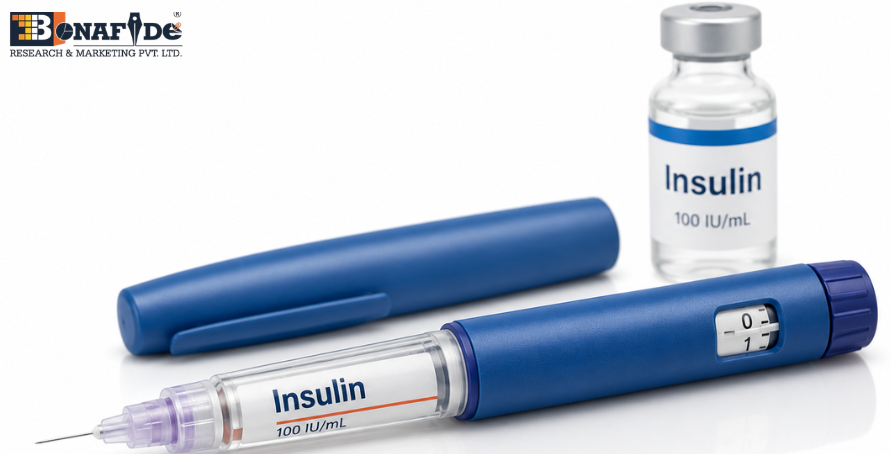
insulin pens market refers to the worldwide industry focused on the development, manufacturing, distribution, and adoption of pen-based devices used for insulin administration among people requiring insulin therapy. Insulin pens are designed to provide a safer, more convenient, and more accurate alternative to traditional vial-and-syringe methods, making them an important component of modern diabetes management. These devices are widely used by individuals with Type 1 diabetes, insulin-dependent Type 2 diabetes, gestational diabetes requiring insulin support, and other conditions where controlled insulin delivery is necessary. The market has gained importance due to the increasing burden of diabetes worldwide and the growing need for practical self-administration solutions that improve treatment adherence and patient independence. Major growth drivers include rising diabetes diagnosis rates, increasing awareness about effective glucose management, expansion of healthcare access in emerging economies, and continuous innovation in insulin delivery technologies. The development of smart and connected insulin pens, which can record doses, provide reminders, and integrate with
digital health platforms, is further transforming diabetes care by enabling data-based treatment decisions. Healthcare providers, diabetes associations, and patient advocacy organisations play an important role in promoting insulin education, improving awareness, and supporting better disease management practices. Organisations such as the International Diabetes Federation and national diabetes associations conduct awareness campaigns, publish clinical guidance, and encourage access to effective diabetes care solutions. Pharmaceutical companies and
medical device manufacturers are actively involved in research, product development, regulatory approvals, and partnerships aimed at improving insulin delivery efficiency and patient experience. Hospitals, clinics, pharmacies, and digital healthcare platforms also contribute by providing training, prescription access, and ongoing support for insulin users.
According to the research report "Global Insulin Pens Market Outlook, 2031," published by Bonafide Research, the Global Insulin Pens Market was valued at more than USD 8.49 Billion in 2025, and expected to reach a market size of more than USD 13.04 Billion by 2031 with the CAGR of 7.61% from 2026-2031. .Key industry participants include Novo Nordisk, Eli Lilly and Company, Sanofi, and Ypsomed, which develop insulin pens, compatible cartridges, and connected delivery solutions. Novo Nordisk has developed advanced reusable and smart insulin pen platforms, including connected solutions designed to record dosing information and support digital diabetes management. Eli Lilly and Sanofi continue to expand their insulin delivery portfolios by combining insulin therapies with user-friendly pen devices, while Ypsomed specialises in injection systems and self-medication technologies supplied to pharmaceutical partners. A major opportunity in the market comes from the growing adoption of smart insulin pens that integrate with mobile applications, glucose monitoring systems, and digital health platforms to improve adherence and enable data-driven treatment decisions. Another opportunity lies in emerging economies, where increasing diabetes awareness, improved healthcare infrastructure, and wider access to insulin therapies are creating demand for convenient delivery devices. The supply chain of insulin pens involves multiple stages, including pharmaceutical companies producing insulin formulations and cartridges, medical device manufacturers producing pen mechanisms, component suppliers providing plastics, electronics, and precision parts, and distributors supplying hospitals, pharmacies, and online healthcare platforms. Manufacturing requires strict quality control because
insulin delivery devices must meet regulatory standards for accuracy, safety, and reliability. Companies are also investing in local production capabilities and strategic partnerships to improve regional availability and reduce supply disruptions. Developments such as connected pen technologies, reusable systems, dose memory features, and compatibility with digital diabetes platforms are reshaping the industry. As healthcare systems increasingly focus on personalised diabetes management and patient self-care, collaborations between insulin manufacturers, technology providers, healthcare organisations, and digital platforms are creating new opportunities across the global insulin pens market.
Smart or connected insulin pens are becoming increasingly important in diabetes care because they address one of the major challenges of insulin therapy: maintaining accurate and consistent daily dosing. Unlike traditional insulin pens, connected devices can automatically record injection information, including dose amount, administration time, and frequency, reducing dependence on manual tracking by patients. This feature is especially valuable for individuals who require multiple insulin injections every day and may experience difficulties remembering previous doses. Many smart insulin pens connect with smartphone applications and digital healthcare platforms, allowing users to review their insulin history and share information with healthcare professionals during consultations. This enables doctors to make more informed treatment adjustments based on actual injection behaviour rather than relying only on patient-reported information. The integration of smart pens with continuous glucose monitoring systems has further strengthened their role by linking insulin administration data with glucose patterns, creating a more complete view of diabetes management. Leading diabetes technology companies have introduced connected pen solutions that support dose reminders, injection tracking, and digital reporting features. These innovations are particularly beneficial for younger patients, working professionals, and individuals managing complex insulin schedules. Healthcare providers are increasingly adopting digital diabetes tools because they support better patient engagement and remote monitoring capabilities. The growing emphasis on personalised medicine,
telehealth services, and technology-driven chronic disease management has accelerated interest in connected insulin delivery solutions.
Type 1 diabetes represents a significant driver of insulin pen adoption because individuals with this condition experience a complete or near-complete loss of natural insulin production due to autoimmune damage to pancreatic beta cells. From diagnosis, these patients require continuous insulin replacement, making efficient delivery methods essential throughout their lifetime. Insulin pens have become a preferred solution because they provide accurate dosing, simple operation, and greater flexibility compared with conventional vial-and-syringe administration. People living with Type 1 diabetes often need multiple injections each day, including rapid-acting insulin around meals and long-acting insulin for baseline glucose control. The repeated nature of this treatment creates a strong requirement for devices that are convenient, portable, and easy to use. Children and adolescents with Type 1 diabetes particularly benefit from insulin pens because caregivers can administer precise doses while supporting the transition toward independent self-management. Adults also prefer pen-based systems because they allow discreet injections in workplaces, educational settings, and during travel. Diabetes education programmes worldwide commonly include insulin pen training because correct injection technique directly influences treatment effectiveness. Advances in insulin formulations have increased compatibility with pen delivery systems, allowing patients to access modern insulin therapies through familiar devices. In addition, smart pen technologies and digital health platforms are providing new opportunities to improve monitoring and adherence among Type 1 diabetes patients. Healthcare professionals continue to recommend insulin pens because they reduce complexity, support consistent dosing, and improve patient confidence in managing a demanding lifelong condition.
Hospitals and clinics are becoming increasingly important users of insulin pens because they serve as the primary locations where many patients begin insulin therapy and receive professional guidance on proper device usage. When patients are diagnosed with diabetes requiring insulin or need a transition from other therapies, healthcare professionals evaluate treatment requirements and often introduce insulin pens due to their accuracy, simplicity, and ease of administration. Physicians, endocrinologists, nurses, and diabetes educators provide essential training on injection techniques, dose adjustment, insulin storage, and safe handling practices, helping patients develop confidence before managing treatment independently at home. Hospitals also manage complex cases where accurate insulin delivery is critical, including patients undergoing surgery, experiencing acute illness, or requiring intensive glucose monitoring. The adoption of advanced insulin pens, including connected devices with digital tracking features, has further increased their relevance within clinical environments because healthcare providers can access more detailed information about patient insulin usage patterns. This supports better treatment decisions and more personalised diabetes management strategies. Expansion of multidisciplinary diabetes care teams has encouraged greater collaboration between specialists, pharmacists, nutrition experts, and educators, increasing the role of insulin delivery technologies within healthcare institutions. Hospitals and clinics also play an important role in educating caregivers and newly diagnosed patients about selecting appropriate devices and maintaining consistent treatment routines. As healthcare systems worldwide focus on improving chronic disease outcomes, reducing medication errors, and supporting patient-centred care, clinical facilities are increasingly adopting insulin pens as part of comprehensive diabetes management pathways.
Online retail is expanding rapidly within the global insulin pens market as patients increasingly seek convenient methods to obtain essential diabetes medications and related supplies. Insulin therapy requires regular access to insulin cartridges,
pen needles, and other supporting products, making reliable refill services important for maintaining uninterrupted treatment. Digital pharmacy platforms simplify this process by allowing patients to manage prescriptions, place orders, receive refill reminders, and obtain products through home delivery. This convenience is particularly valuable for individuals with mobility limitations, elderly patients, and those living in locations where specialised healthcare facilities or pharmacies may not be easily accessible. The growth of electronic prescriptions and digital healthcare systems has supported the development of online pharmaceutical services by improving prescription processing and enabling smoother communication between healthcare providers, pharmacies, and patients. Online platforms also provide educational information about insulin pen usage, product handling, and storage requirements, helping patients follow recommended treatment practices. The increasing acceptance of
telemedicine has further strengthened online retail channels because remote consultations often require reliable digital pathways for medication fulfilment. Many
online pharmacies now offer automated refill programmes that help patients maintain regular access to insulin supplies and reduce the possibility of treatment interruptions. Improvements in
logistics networks and regulatory oversight have increased confidence in online purchasing of prescription healthcare products. Pharmaceutical manufacturers and healthcare distributors are also developing stronger digital partnerships to improve product availability and patient access.






 We are friendly and approachable, give us a call.