The global
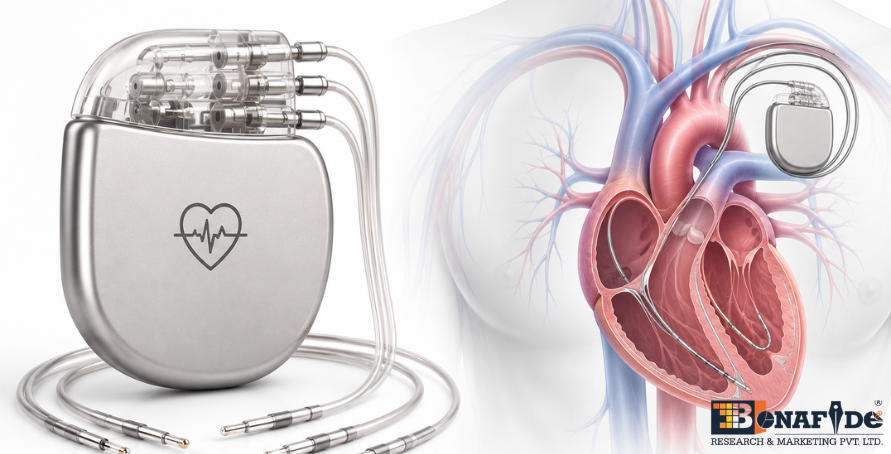
Cardiac Resynchronization Therapy (CRT) market is witnessing significant growth as healthcare systems increasingly adopt advanced heart failure management strategies focused on improving cardiac function, reducing hospitalization rates, and enhancing long-term patient outcomes. CRT systems are advanced implantable cardiac rhythm management devices designed to restore synchronized ventricular contraction in patients suffering from heart failure associated with electrical conduction abnormalities.
CRT technologies primarily include Cardiac Resynchronization Therapy Pacemakers (CRT-P) and Cardiac Resynchronization Therapy Defibrillators (CRT-D). These devices are widely used among eligible patients with reduced left ventricular ejection fraction (LVEF), prolonged QRS duration, ventricular dyssynchrony, and persistent symptomatic heart failure despite optimized medical therapy.
According to the research report, "Global Cardiac Resynchronization Therapy Market Outlook, 2031," published by Bonafide Research, the Global Cardiac Resynchronization Therapy Market is anticipated to grow at more than 6.7% CAGR from 2026 to 2031. The global CRT market is projected to expand significantly during the forecast period from 2026 to 2031, supported by the rising global burden of cardiovascular diseases, increasing prevalence of chronic heart failure, growing elderly population, technological advancements in implantable cardiac devices, and improving access to specialized cardiac care.
Cardiovascular diseases remain the leading cause of mortality worldwide, with heart failure representing one of the fastest-growing cardiovascular health challenges due to population aging, increasing survival rates following myocardial infarction, and the progression of chronic conditions. The growing prevalence of hypertension, diabetes, obesity, coronary artery disease, and ischemic cardiomyopathy continues to increase the number of patients requiring advanced heart failure interventions.
Rising Burden of Heart Failure Driving CRT Market Expansion
The increasing global prevalence of heart failure represents the primary growth driver for the CRT market. Aging populations across North America, Europe, and Asia-Pacific are contributing significantly to the rising number of patients living with chronic heart failure. Additionally, improvements in cardiovascular treatment have increased survival after acute cardiac events, resulting in a larger population progressing into advanced stages of heart disease.
Although CRT implantation is recommended only for patients meeting specific clinical eligibility criteria, the expanding heart failure population continues creating long-term opportunities for advanced cardiac rhythm management solutions. CRT has become an essential component of guideline-directed heart failure therapy by improving ventricular coordination, enhancing cardiac efficiency, reducing symptoms, and lowering the risk of hospitalization among appropriately selected patients.
Healthcare providers are increasingly shifting toward comprehensive cardiovascular care models that integrate pharmacological therapy, device-based interventions, remote monitoring, and personalized patient management. The combination of CRT with modern heart failure medications, including beta-blockers, mineralocorticoid receptor antagonists, angiotensin receptor-neprilysin inhibitors (ARNIs), and sodium-glucose cotransporter-2 (SGLT2) inhibitors, is improving overall disease management strategies.
CRT-D Segment Dominates Due to Combined Resynchronization and Defibrillation Benefits
Among product categories, Cardiac Resynchronization Therapy
Defibrillator (CRT-D) systems represent the largest segment of the global CRT market due to their ability to provide both ventricular resynchronization and protection against sudden cardiac death.
CRT-D devices are particularly beneficial for patients with heart failure with reduced ejection fraction (HFrEF) who are at increased risk of life-threatening ventricular arrhythmias. By combining biventricular pacing technology with implantable cardioverter-defibrillator functionality, CRT-D systems provide dual therapeutic benefits by improving cardiac synchronization while reducing mortality associated with sudden cardiac events.
The increasing prevalence of ischemic cardiomyopathy, myocardial infarction-related heart failure, and advanced ventricular dysfunction is supporting CRT-D adoption worldwide. Developed markets such as North America and Europe continue to demonstrate strong demand due to established reimbursement systems, advanced electrophysiology infrastructure, and widespread availability of specialized cardiac centers.
Emerging markets in Asia-Pacific, Latin America, and the Middle East are also witnessing increasing adoption as healthcare infrastructure expands, physician expertise improves, and awareness of advanced heart failure therapies increases.
Technological Innovation Transforming CRT Device Adoption
Continuous innovation in implantable cardiac technologies is a major factor supporting CRT market growth. Manufacturers are focusing on developing devices with improved reliability, enhanced safety features, and better patient monitoring capabilities.
Key technological advancements include:
• MRI-compatible CRT systems enabling safer imaging procedures
• Quadripolar left ventricular leads improving lead placement flexibility and reducing complications
• Adaptive pacing algorithms optimizing therapy delivery based on patient-specific cardiac conditions
• Longer
battery longevity reducing replacement procedures
• Wireless telemetry enabling continuous device communication
• Automated optimization systems improving pacing effectiveness
• Advanced remote monitoring platforms supporting proactive patient management
The integration of
digital health technologies is further transforming CRT care. Modern devices can continuously monitor pacing performance, arrhythmia episodes, patient activity levels, and physiological indicators associated with worsening heart failure.
Cloud-based monitoring platforms and
artificial intelligence (AI)-supported analytics are allowing physicians to identify early signs of clinical deterioration and intervene before serious complications occur. These technologies are improving follow-up efficiency, reducing unnecessary hospital visits, and supporting value-based healthcare models.
Heart Failure Management Remains the Largest Application Segment
Heart failure management represents the largest application segment within the CRT market because CRT is primarily designed to improve outcomes among patients with symptomatic heart failure, reduced ventricular function, and conduction abnormalities.
The expansion of multidisciplinary heart failure clinics is further supporting CRT utilization. These programs bring together cardiologists, electrophysiologists, imaging specialists, nurses, and rehabilitation professionals to improve patient selection, treatment planning, and long-term monitoring.
As healthcare systems increasingly focus on reducing cardiovascular expenditure and improving clinical outcomes, CRT adoption within integrated heart failure management programs is expected to continue increasing.
Hospitals Lead End-User Adoption Due to Advanced Infrastructure
Hospitals represent the dominant end-user segment in the CRT market due to their ability to provide complex cardiac implantation procedures and comprehensive post-implantation care.
CRT procedures require advanced electrophysiology laboratories, cardiac imaging technologies, specialized physicians, device programming expertise, and long-term patient monitoring capabilities. These facilities are primarily available within tertiary hospitals, academic medical centers, and advanced cardiovascular institutions.
Large hospitals play a crucial role in CRT adoption by conducting clinical research, training electrophysiologists, implementing advanced treatment protocols, and supporting the introduction of next-generation cardiac technologies.
Meanwhile, cardiac specialty centers are emerging as a rapidly growing end-user segment, particularly in Asia-Pacific and the Middle East, as healthcare systems increasingly move toward specialized cardiovascular care models.
Remote Monitoring and Digital Cardiac Care Creating New Growth Opportunities
Remote monitoring has become one of the most influential trends shaping the future of CRT management. Connected CRT devices enable physicians to remotely evaluate device performance, pacing effectiveness, arrhythmia burden, and early indicators of heart failure progression.
The growing adoption of
telemedicine and digital healthcare infrastructure is improving accessibility to advanced cardiac care, particularly for patients requiring long-term monitoring. Countries with advanced healthcare systems, including the United States, Japan, Australia, and several European nations, are leading adoption of connected cardiac monitoring platforms.
Artificial intelligence is expected to further enhance CRT management by supporting automated interpretation of device-generated data, predicting possible complications, and enabling more personalized programming strategies.
Personalized Pacing and Next-Generation CRT Technologies
The future direction of CRT technology is focused on improving patient selection, increasing response rates, and delivering more physiological pacing approaches.
Advancements in cardiac imaging, electrocardiographic assessment, AI-based analytics, and conduction system pacing are enabling clinicians to identify patients who are most likely to benefit from CRT.
Emerging approaches such as His bundle pacing and left bundle branch area pacing are gaining attention as potential alternatives or complementary strategies to traditional CRT by promoting more natural ventricular activation patterns.
Manufacturers are also investing in smaller devices, improved lead technologies, adaptive pacing systems, and enhanced battery performance to improve patient comfort and treatment efficiency.
Regional Analysis
North America
North America remains the largest regional market for Cardiac Resynchronization Therapy due to advanced healthcare infrastructure, high prevalence of heart failure, strong reimbursement frameworks, and widespread adoption of implantable cardiac devices.
The United States represents the dominant market within the region, supported by extensive electrophysiology networks, established heart failure programs, advanced clinical research capabilities, and the presence of leading
medical device manufacturers.
Hospitals and specialized cardiac centers across North America continue adopting next-generation CRT systems incorporating personalized pacing algorithms, remote monitoring solutions, and digital cardiovascular management platforms.
Europe
Europe represents a significant CRT market supported by mature cardiovascular healthcare systems, aging demographics, and strong adherence to evidence-based treatment guidelines.
Countries including Germany, France, the United Kingdom, and Italy have well-established electrophysiology services and specialized heart failure clinics supporting CRT utilization.
The increasing adoption of digital monitoring platforms and advanced cardiac management strategies is expected to further strengthen market growth across the region.
Asia-Pacific
Asia-Pacific is expected to be the fastest-growing CRT market during the forecast period due to rising cardiovascular disease prevalence, improving healthcare infrastructure, and expanding access to advanced cardiac therapies.
China represents one of the largest regional markets due to its substantial heart failure patient population and healthcare modernization initiatives. India is experiencing rapid growth due to increasing cardiac specialty centers, improved healthcare accessibility, and growing expertise among physicians performing advanced rhythm management procedures.
Japan and South Korea continue supporting regional growth through technologically advanced healthcare systems and strong adoption of remote cardiac monitoring solutions.
Latin America and Middle East & Africa
Latin America is witnessing steady CRT market growth due to increasing cardiovascular disease burden, expanding tertiary hospitals, and improving access to specialized cardiac procedures. Brazil represents the largest market in the region, supported by improving cardiovascular infrastructure and growing healthcare capabilities.
The Middle East and Africa region is gradually expanding as governments invest in healthcare modernization, specialized cardiac facilities, and advanced cardiovascular services. The UAE and Saudi Arabia are emerging as important markets due to high healthcare investment and technology adoption, while South Africa remains a key African market with established cardiology expertise.
Future Outlook
The global Cardiac Resynchronization Therapy market is expected to maintain strong growth through 2031 as healthcare systems continue prioritizing advanced heart failure management and personalized cardiovascular care.
Increasing adoption of remote monitoring, artificial intelligence-assisted diagnostics, digital cardiac platforms, and next-generation pacing technologies will continue transforming the CRT landscape. Expansion of specialized cardiac centers, improved physician training, and increasing accessibility to implantable cardiac devices in emerging economies will create additional opportunities for market expansion.
As the global burden of heart failure continues rising, CRT will remain a critical component of modern cardiovascular care by improving cardiac function, reducing hospitalization burden, enhancing patient quality of life, and supporting long-term disease management worldwide.






 We are friendly and approachable, give us a call.