Global
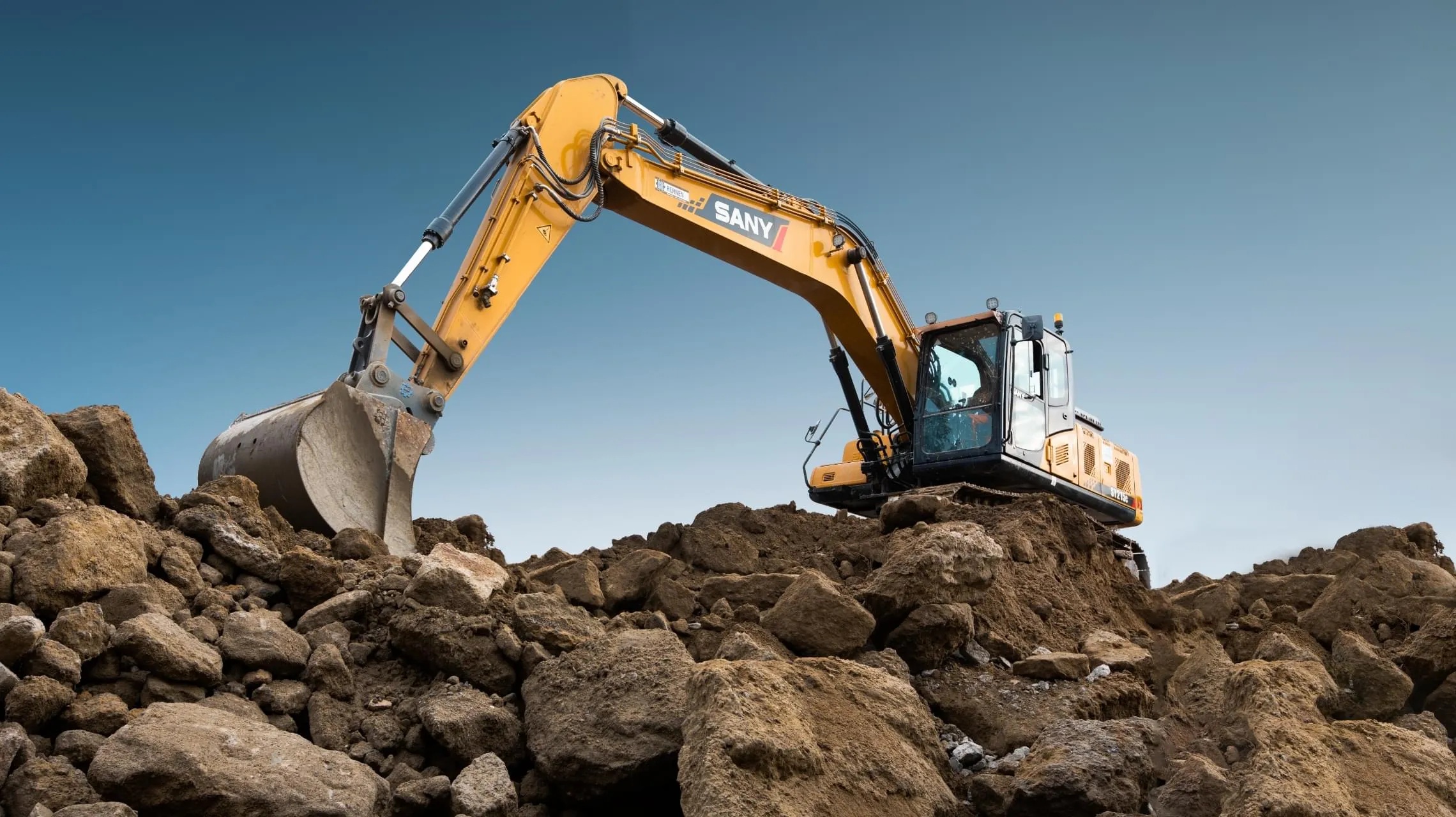
excavator industry has entered a structurally advanced phase over the past five years shaped by large scale infrastructure investments, mining expansion, and accelerated mechanization across construction ecosystems in both developed and emerging economies. Demand concentration remains strong across Asia Pacific led by China’s Belt and Road infrastructure corridors, India’s National Infrastructure Pipeline, and Southeast Asia’s urban transit expansion projects, while North America continues to benefit from federal programs such as the Infrastructure Investment and Jobs Act driving highway, energy, and semiconductor facility construction. Mining intensive regions including Australia’s Pilbara
iron ore belt, Chile’s
copper mines, and Africa’s mineral extraction zones reinforce sustained utilization of high capacity crawler and
hydraulic excavators. Equipment manufacturers such as Caterpillar, Komatsu, Volvo
Construction Equipment, and Hitachi Construction Machinery dominate global supply through integrated dealer networks,
digital fleet management systems, and lifecycle service contracts. Market evolution is increasingly defined by electrification pilots, hybrid powertrain integration, and semi-autonomous excavation technologies supported by telematics platforms and GPS enabled machine control systems. Regulatory frameworks such as EPA Tier 4 Final standards in the United States, Stage V emission norms in Europe, and China Non Road Mobile Machinery standards are reshaping procurement preferences toward fuel efficient and low emission equipment.
According to the research report "Global Excavator Market Outlook, 2030," published by Bonafide Research, the Global Excavator market was valued at more than USD 82.38 Billion in 2025, and expected to reach a market size of more than USD 120.72 Billion by 2031 with the CAGR of 6.60% from 2026-2031. Global excavator market structure is defined by highly consolidated OEM leadership, accelerating
digital transformation, and diversified demand across infrastructure, mining, and urban construction ecosystems. Transaction economics are increasingly shaped by total cost of ownership models where fuel efficiency, maintenance predictability, and digital fleet optimization influence procurement decisions more than upfront pricing. Rental and leasing penetration continues to expand across mature markets in Europe and North America, while emerging markets adopt hybrid ownership structures combining financing and short term equipment deployment. Supply chain dynamics remain exposed to steel price volatility and semiconductor shortages impacting hydraulic and electronic control systems. Rental penetration led by firms such as United Rentals and Sunbelt Rentals in North America and similar leasing ecosystems in Europe and Asia is reshaping ownership models toward usage based procurement. Industry exhibitions including CONEXPO CON AGG in Las Vegas, Bauma in Munich, and Changsha International Construction Equipment Exhibition in China continue to serve as global platforms for technology showcasing, OEM competition, and contractor procurement decisions across the global construction machinery landscape.
Crawler excavators maintain dominance in global deployment because their tracked undercarriage design provides stability on uneven terrain, soft soil, and steep gradients, making them essential for mining, quarrying, and large infrastructure projects. Their widespread adoption is reinforced by continuous usage in highway construction, dam building, tunneling, and large industrial site preparation where precision and sustained digging force are required. Global contractors operating in resource intensive sectors such as
iron ore mining in Australia, copper extraction in Chile, and coal operations in Indonesia rely heavily on crawler machines for overburden removal and bulk material handling. Major OEMs including Caterpillar, Komatsu, and Hitachi Construction Machinery prioritize crawler platforms in their product portfolios due to consistent global demand across both developed and emerging economies. The design allows compatibility with a wide range of attachments such as rock breakers, buckets, and augers, enhancing versatility across applications. Additionally, crawler excavators perform effectively in extreme environments including Arctic construction zones and desert mining sites, where wheeled alternatives face operational limitations. Infrastructure expansion projects linked to rail corridors,
hydropower dams, and urban metro systems further strengthen their utilization. Rental fleets operated by global players such as United Rentals and Loxam also favor crawler units due to high utilization rates and durability under continuous operation. Their long service life, high resale value, and adaptability to advanced telematics systems such as remote diagnostics and GPS enabled machine control further enhance adoption.
Electric excavators are gaining strong momentum as global construction markets transition toward decarbonization and low emission equipment standards driven by regulatory frameworks such as the European Green Deal, US EPA non road emission controls, and China’s carbon neutrality roadmap. Urban construction zones are increasingly enforcing zero emission requirements, particularly in cities like London, Paris, Oslo, and Amsterdam where diesel powered equipment faces operational restrictions. This regulatory pressure is directly accelerating adoption of electric and hybrid excavators for indoor demolition, tunnel construction, and night time urban infrastructure work where noise and exhaust emissions must be minimized. Manufacturers such as Volvo Construction Equipment, Hitachi Construction Machinery, and JCB have introduced fully electric excavator models designed for compact and mid range applications, integrating
lithium ion
battery systems, regenerative hydraulic technology, and
smart energy management software. Battery technology advancements originally driven by
electric vehicle industries are now being adapted for heavy machinery, improving operating hours and reducing charging downtime, making electric excavators more viable for commercial construction cycles. Contractors are also responding to rising fuel price volatility and tightening ESG reporting requirements from global infrastructure investors, which prioritize carbon reduction across project supply chains. Large infrastructure developers such as Skanska and VINCI Construction are increasingly specifying low emission machinery in public tenders, reinforcing procurement shifts toward electric equipment. Additionally, government subsidies and green procurement incentives in Europe, Japan, and South Korea are reducing acquisition barriers for electric machinery. Rental companies are also expanding electric fleets to meet short term urban project demand, allowing contractors to test and deploy clean technology without high capital investment.
Excavators in the up to 300 horsepower category remain the most widely deployed segment globally because they balance operational efficiency with adaptability across construction, utility, and light to medium infrastructure projects. These machines are extensively used in urban road construction, residential development, pipeline installation, and small to mid scale mining operations where high maneuverability and moderate digging force are essential. Contractors in densely populated cities such as Tokyo, New York, and London prefer this category due to its compatibility with space constrained job sites and regulatory restrictions on noise and emissions. OEMs including John Deere, Hyundai Construction Equipment, and Kubota have strengthened their product lines in this range by integrating compact design features, fuel efficient engines, and advanced hydraulic control systems. Rental companies such as Sunbelt Rentals and Ashtead Group deploy large fleets of sub 300 HP excavators due to high turnover rates in short duration infrastructure projects and municipal maintenance contracts. These machines are also favored in agricultural land development, landscaping, and drainage projects where flexibility outweighs extreme power requirements. Infrastructure expansion in emerging economies across Asia and Africa further supports demand as governments invest in roads, irrigation systems, and urban housing projects. Telemetry integration and GPS enabled machine guidance systems are increasingly being adopted in this segment, improving productivity and reducing operator error. Lower acquisition cost, easier transportation between sites, and reduced fuel consumption compared to higher horsepower machines make this category economically attractive.
The construction sector remains the leading application for excavators globally as urbanization trends, population growth, and infrastructure modernization programs drive continuous demand for earthmoving equipment. Excavators are essential in activities such as
foundation digging, road building,
bridge construction, tunneling, and utility installation across cities and developing regions. Governments worldwide invest heavily in infrastructure through initiatives such as highway expansion, metro rail systems, smart city development, and airport modernization, all of which rely heavily on excavator fleets. Large engineering and construction firms including Bechtel, Vinci, and China State Construction Engineering Corporation deploy extensive excavator fleets for complex civil engineering projects across continents. Compact excavators are widely used in urban redevelopment zones where precision and limited space operation are required, while larger machines are deployed in highways, dams, and industrial construction projects. Rental penetration in construction is also high, allowing small and medium contractors to access advanced equipment without high capital investment. Technological advancements such as GPS based grading, telematics, and semi autonomous operation systems are increasingly integrated into construction workflows to improve efficiency and reduce rework. Regulatory frameworks governing safety, emissions, and construction standards in regions such as Europe, North America, and Asia also influence machine selection and utilization patterns. Infrastructure development in emerging economies further strengthens demand as governments prioritize housing and transport connectivity.















 We are friendly and approachable, give us a call.