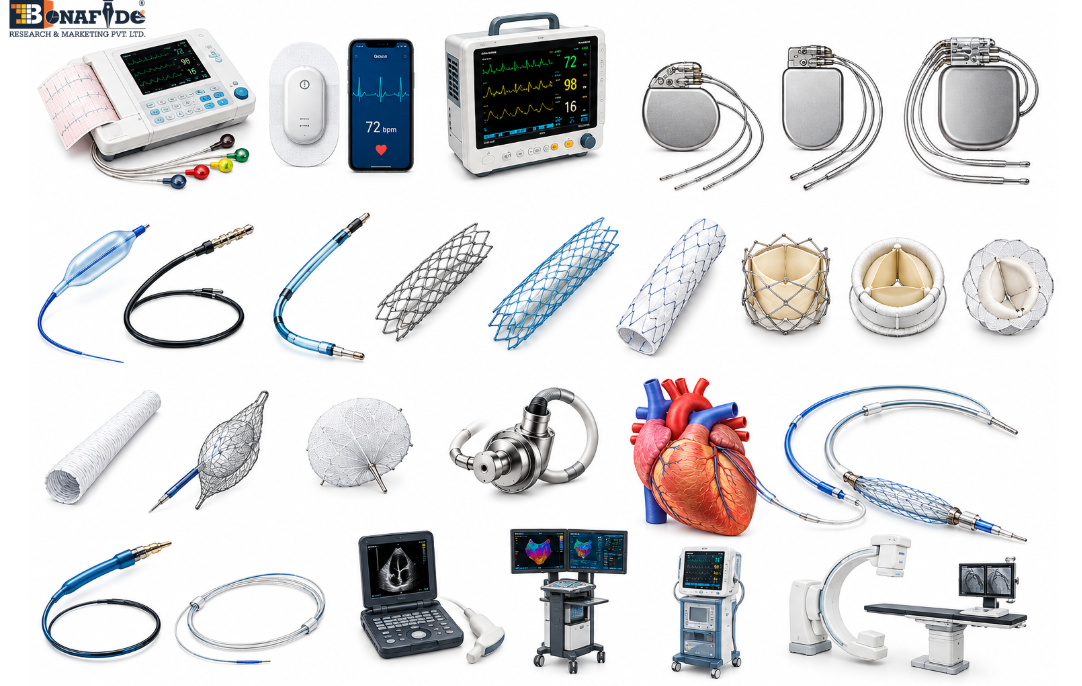
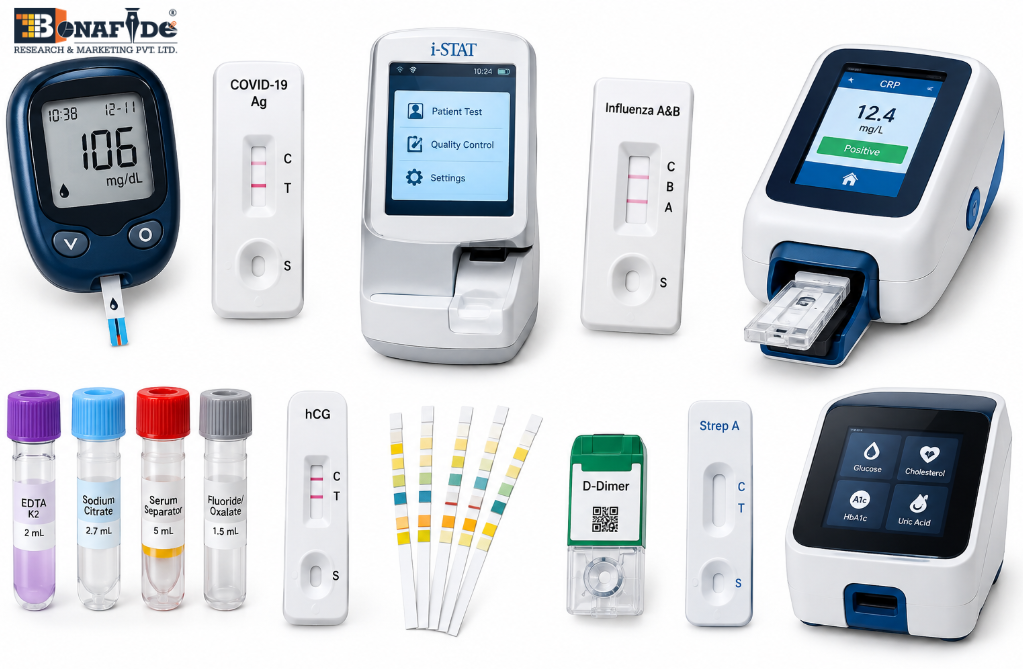
Catheters are essential tools in modern medicine, facilitating procedures ranging from cardiovascular interventions and urological care to neurovascular treatments and intravenous therapies. Their widespread adoption stems from the growing prevalence of chronic illnesses such as cardiovascular disease, diabetes, and neurological disorders, which increasingly require catheter-based interventions for diagnosis, treatment, and patient management. Additionally, the global population is aging at an unprecedented rate, with the proportion of people over 60 steadily rising, creating a heightened demand for medical devices that support minimally invasive treatments and long-term healthcare needs. In tandem with these demographic shifts, healthcare delivery models are transforming, with
home healthcare and
telemedicine becoming more prevalent. Catheters play a critical role in enabling patients to receive treatment outside traditional hospital settings, offering convenience, safety, and cost-effectiveness. Technological innovation is another cornerstone of market growth, as manufacturers focus on enhancing the safety, efficacy, and comfort of catheter products. Developments in
antimicrobial coatings, biocompatible materials, and advanced catheter designs minimize the risk of infection, improve patient outcomes, and allow for more precise therapeutic delivery. Moreover, regulatory bodies such as the U.S. Food and Drug Administration (FDA) and the European Medicines Agency (EMA) are imposing increasingly rigorous standards, encouraging manufacturers to invest in quality, safety, and compliance. This environment of continuous innovation and regulation has led to a competitive yet dynamic market landscape, with both established multinational companies and emerging players seeking to differentiate their offerings through product development, strategic partnerships, and expansion into high-growth regions.
According to the research report “Global Catheters Market Outlook, 2030” published by Bonafide Research, the Global Catheters market is projected to reach market size of USD 77.73 Billion by 2030 increasing from USD 51.40 Billion in 2024, growing with 7.29% CAGR by 2025-30. The rising prevalence of chronic diseases, particularly cardiovascular conditions, diabetes, and neurological disorders, which require ongoing intervention and monitoring. Cardiovascular catheters, used for diagnostic and therapeutic procedures, dominate the market due to their critical role in managing heart-related ailments, while urological catheters are in high demand because of the aging population and increasing urinary incontinence cases worldwide. Neurovascular and intravenous catheters have also seen rapid development, with manufacturers investing in specialized designs that cater to complex procedures, including targeted drug delivery and minimally invasive surgeries. Technological innovation is a significant factor shaping the market, with the introduction of antimicrobial coatings, biocompatible materials, and smart catheters equipped with sensors for real-time monitoring, which collectively enhance patient safety, reduce complications such as catheter-associated infections, and improve clinical outcomes. Concurrently, the regulatory landscape has become increasingly stringent, compelling manufacturers to adhere to rigorous quality standards and clinical testing requirements to gain approvals from agencies like the FDA and EMA. On the commercial front, strategic partnerships, mergers, and product launches are key market trends, though regulatory bodies sometimes intervene, as evidenced by the Federal Trade Commission’s recent decision to block the acquisition of Surmodics by GTCR due to concerns over competition in
medical device coatings. Furthermore, the shift toward home-based healthcare and minimally invasive procedures has intensified demand for user-friendly and safe catheter devices, highlighting the market’s adaptability to evolving patient and clinician needs.
Cardiovascular catheters hold the largest share in the global catheters market due to the rising prevalence of cardiovascular diseases (CVDs), which are among the leading causes of morbidity and mortality worldwide. Factors such as unhealthy lifestyles, sedentary behavior, obesity, smoking, and increasing aging populations have contributed to a surge in cardiovascular conditions, including coronary artery disease, heart failure, arrhythmias, and peripheral artery disease. Catheters, particularly cardiovascular types, are critical diagnostic and interventional tools used in procedures like angiography, angioplasty, stenting, and electrophysiology mapping. The demand for minimally invasive procedures has further accelerated the adoption of cardiovascular catheters. Patients increasingly prefer catheter-based interventions over open-heart surgeries due to reduced recovery time, lower risk of complications, and shorter hospital stays. Innovations in catheter technology, such as improved material flexibility, precision-guided navigation systems, and drug-eluting designs, have enhanced procedural efficacy and patient safety, which in turn has driven market growth. Healthcare infrastructure development, especially in emerging economies, has also boosted cardiovascular catheter usage. Hospitals and specialized cardiac centers are expanding their catheterization labs to cater to the growing patient base. Additionally, awareness campaigns and screening programs for heart health have increased early diagnosis, creating higher demand for cardiovascular catheters.
Single-lumen catheters dominate the global catheters market primarily due to their simplicity, versatility, and widespread clinical applications. A single-lumen catheter features one channel through which fluids can be administered or withdrawn, making it ideal for routine diagnostic and therapeutic procedures. It is commonly used for intravenous administration, blood sampling, urinary drainage, and certain cardiovascular and urological procedures. One of the main reasons for its large market share is its cost-effectiveness compared to multi-lumen catheters. Healthcare providers in both developed and developing regions often prefer single-lumen catheters for routine procedures due to their lower acquisition costs, ease of use, and minimal training requirements. This makes them highly accessible across a broad range of healthcare facilities, from large hospitals to smaller clinics and outpatient centers. Single-lumen catheters also pose fewer risks of complications such as infections, occlusions, or mechanical failures compared to more complex multi-lumen devices. Their straightforward design reduces handling errors, enhances patient safety, and improves procedural efficiency. This reliability has made them a standard choice for long-term and short-term catheterization. Furthermore, global trends such as the increasing prevalence of chronic conditions requiring fluid management, growing surgical interventions, and rising hospital admissions for diagnostic purposes have spurred demand for single-lumen catheters. Technological improvements in biocompatible materials, flexible designs, and antimicrobial coatings have further reinforced their position as the preferred catheter type.
Hospital stores, or in-hospital procurement channels, dominate the global catheters market due to their critical role in supplying medical devices directly to healthcare facilities. Hospitals maintain centralized stores to stock essential consumables like catheters, ensuring immediate availability for emergency, elective, and routine procedures. The prevalence of hospital stores as the largest distribution channel is closely tied to their ability to streamline supply management, reduce procedural delays, and maintain a consistent quality standard across departments. The growing demand for catheters in surgical procedures, cardiovascular interventions, and intensive care units drives hospitals to rely heavily on in-house stores for bulk procurement. This centralized model allows hospitals to negotiate better pricing with suppliers, manage inventory efficiently, and ensure timely replenishment, reducing the risk of shortages. Moreover, hospital stores often prefer to source from certified and trusted manufacturers, maintaining regulatory compliance and patient safety standards. Emerging markets have witnessed significant investment in healthcare infrastructure, including the expansion of hospitals and specialized medical centers. This expansion has strengthened the reliance on hospital stores as a primary procurement channel. Additionally, hospitals often deal with high patient volumes, and in-hospital stores ensure that high-demand catheter types, such as cardiovascular and
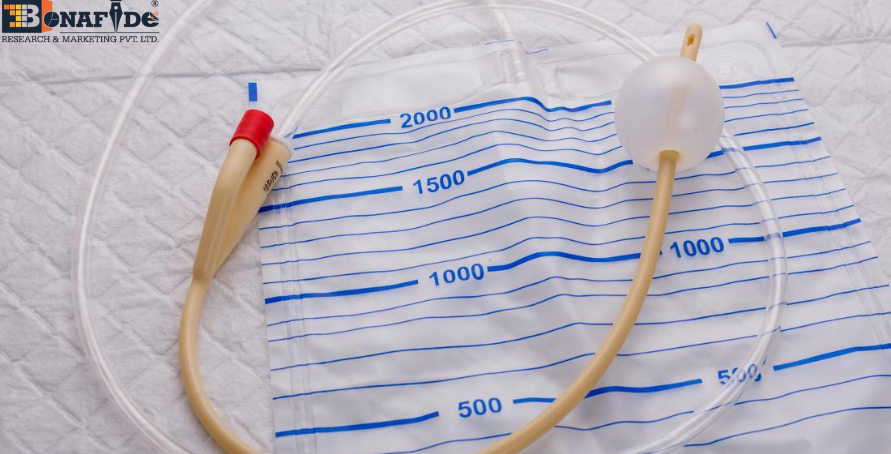
urinary catheters, are readily available. Hospital stores also facilitate bulk purchasing agreements, which contribute to cost optimization and higher adoption rates of advanced catheter technologies. The ability to stock diverse catheter types, including single-lumen, multi-lumen, and specialty catheters, ensures that hospitals can cater to a wide range of clinical requirements without depending on third-party distributors.
Hospitals and Ambulatory Surgical Centers (ASCs) constitute the largest end-user segment in the global catheters market due to their high patient throughput and extensive range of procedures requiring catheterization. Hospitals manage emergency, elective, and critical care procedures, while ASCs handle a significant volume of minimally invasive surgeries and outpatient interventions. The rising preference for catheter-based procedures in cardiology, urology, and critical care drives substantial demand in these settings. Hospitals and ASCs benefit from well-equipped infrastructure, trained medical personnel, and specialized departments, making them the preferred choice for performing complex procedures that require cardiovascular, urinary, or multi-lumen catheters. The increasing prevalence of cardiovascular diseases, chronic kidney disorders, and urological conditions has resulted in higher catheter usage in both inpatient and outpatient settings. Moreover, the adoption of minimally invasive techniques has shifted many procedures from inpatient hospital stays to ASCs, increasing catheter demand in outpatient environments. Hospitals and ASCs also rely on a centralized supply chain and bulk procurement, ensuring cost efficiency and uninterrupted availability of essential devices. Regulatory compliance and quality assurance protocols in these facilities further drive preference for standardized catheter products. Technological advancements, such as drug-eluting, antimicrobial, and flexible catheters, are more readily implemented in hospital and ASC settings, where clinical expertise and patient monitoring capabilities exist. These factors, combined with growing patient awareness and the rise in surgical volumes globally, reinforce hospitals and ASCs as the dominant end-users.





 We are friendly and approachable, give us a call.