The global
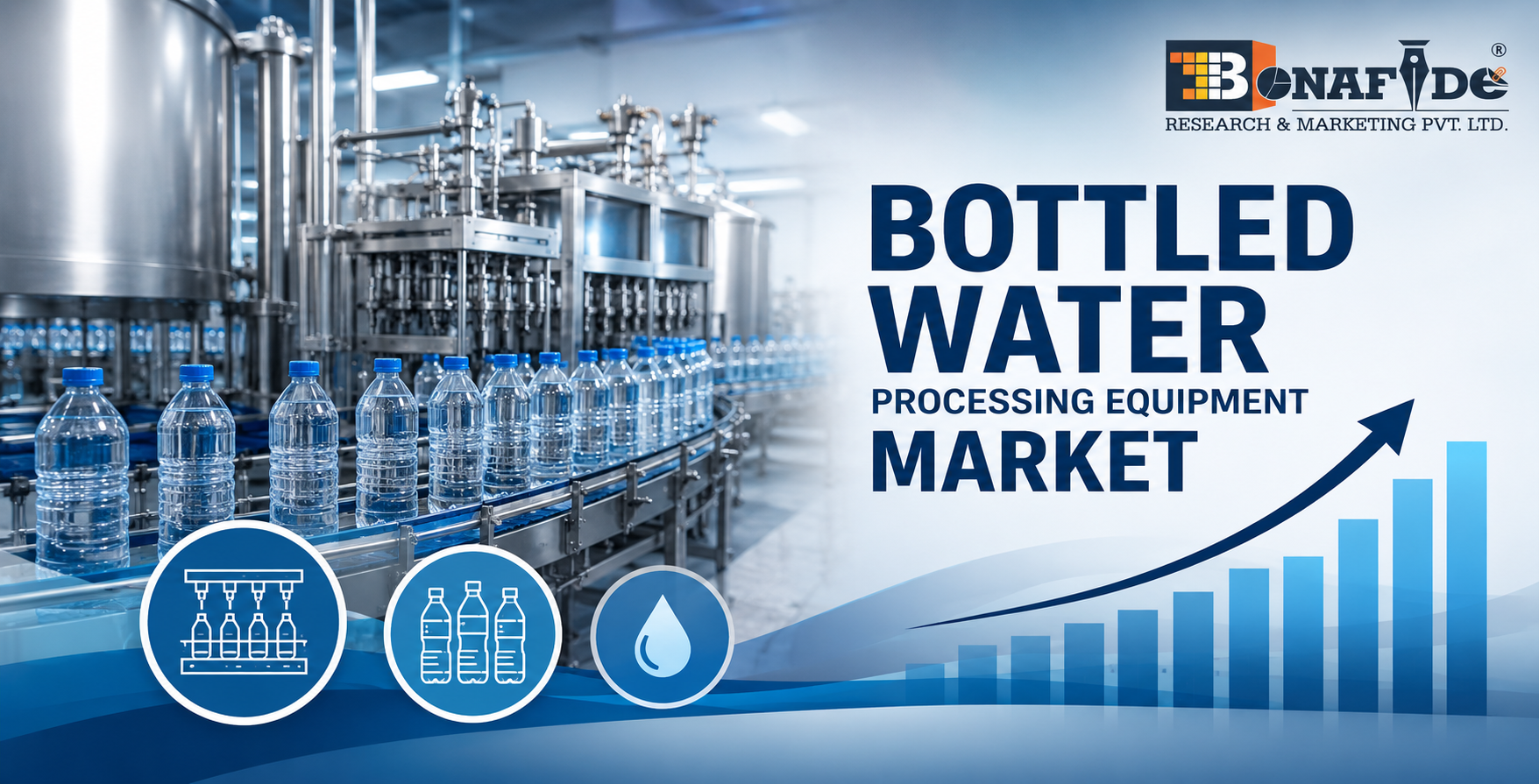
Bottled Water Processing Equipment market is experiencing robust growth, propelled by surging worldwide bottled water consumption and a strong pivot toward automation and sustainability. This expansion is primarily driven by the industry's urgent need to modernize aging machinery, integrate AI-driven
predictive maintenance, and comply with tightening global
food safety and water-quality regulations. The market's evolution is defined by the global shift towards
high-speed, automated, and intelligent production lines, a technological leap that is a direct response to the need for operational efficiency in the face of labor shortages and fluctuating raw material costs. Concurrently, the industry is heavily investing in sustainability, moving towards energy-efficient motors, lighter bottles, and reduced water usage. Equipment suppliers that can demonstrate certified energy and water savings are gaining a significant competitive edge. Recent regulatory actions, such as the EPA's 2024 rule on PFAS, are compelling municipal water suppliers and bottlers to invest in advanced filtration systems like granular
activated carbon or reverse osmosis. Stringent potable-water regulations are a primary driver for advanced filtration and processing equipment. The EPA's new PFAS rule, which mandates maximum contaminant levels of 4 parts per trillion for PFOA and PFOS, is forcing municipal suppliers and bottlers to invest in advanced filtration technologies. North American and European markets are at the forefront, but compliance is rapidly expanding to Asia-Pacific markets, significantly boosting demand for sophisticated
water treatment equipment. This regulatory pressure is creating a multi-year demand cycle for advanced treatment technology, with public water systems having until 2029 to comply with the new standards. The adoption of high-speed filling and capping automation is a powerful growth driver. Producers are increasingly investing in AI-integrated lines to gain productivity, sustainability, and quality-control advantages. The replacement and upgrade cycle for equipment installed between 2010 and 2016 is peaking, creating a multi-year demand surge for modern, efficient technology. This technological evolution drives equipment replacement cycles and creates opportunities for suppliers offering energy-efficient, scalable solutions.
According to the research report "Global Bottled Water Processing Equipment Market Outlook, 2031," published by Bonafide Research, the Global Bottled Water Processing Equipment market was valued at more than USD 8.48 Billion in 2025, and expected to reach a market size of more than USD 14.38 Billion by 2031 with the CAGR of 9.43% from 2026-2031. The market is highly consolidated, with a few major players holding substantial share. Industry leaders such as Krones AG, Tetra Pak International S.A., KHS Group, Sidel Group, and Syntegon Technology GmbH are continuously innovating, driving the high level of competition and technological advancement that defines the sector. Krones AG led the Asia Pacific
beverage packaging machine market with majority share in 2025. The leading companies are focusing on integrated solutions that combine equipment with
digital services, offering real-time production
data access and predictive maintenance capabilities. The growing emphasis on sustainability including lighter bottles, reduced water usage in cleaning, and energy-efficient motors is creating demand for equipment that helps bottlers meet corporate ESG targets. Suppliers are increasingly expected to document their energy and water savings through certified performance data. The European market, in particular, is being reshaped by demanding recyclability and recycled-content targets. This trend represents a fundamental shift in equipment specifications, with sustainability becoming a primary consideration in purchasing decisions. The industry is moving toward safer, smarter, and more sustainable production systems. There is a growing demand for machine vision inspection, process optimization, and quality-risk detection. This trend towards digitalization is enabling producers to deliver consistent water quality, reduce resource consumption, and adapt to changing
packaging expectations. AI-enabled analytics evaluate equipment performance data to identify early signs of wear, while AI-assisted control systems optimize production parameters.
Stringent global regulations and consumer demand for safety make water treatment the fastest-growing equipment segment in the market. The EPA's final rule on PFAS, setting maximum contaminant levels of 4 parts per trillion for PFOA and PFOS, is a primary driver for advanced filtration equipment. The market is shifting towards multi-barrier treatment approaches, integrating reverse osmosis, UV, and ozonation to ensure absolute safety. Public water systems have until 2029 to comply with the new PFAS standards, creating a multi-year demand cycle for treatment technology. Emerging markets, especially in Asia-Pacific, are rapidly adopting advanced treatment solutions as their regulatory frameworks tighten. Growing consumer awareness about microplastics and chemical contaminants is pushing brands to invest in more sophisticated treatment to protect their reputation. The shift towards premium and functional bottled water is fueling demand for treatment systems that ensure consistent, high-quality water profiles. The replacement cycle for core treatment components like RO membranes creates a steady and recurring revenue stream for suppliers, making this category particularly resilient.
Multinational corporations and large co-packers demand maximum throughput, making high-speed lines the most significant and fastest-growing capacity segment. High-speed lines achieve outputs of 100,000 bottles per hour, with block technology integrating multiple functions in reduced footprints. Major players are investing heavily to achieve economies of scale and meet high-volume demand from retailers and consumers. The replacement and upgrade cycle for equipment installed during the 2010s is peaking, creating huge demand for these high-capacity systems. Fully automated line systems represent the technological frontier, incorporating AI-enabled quality monitoring and advanced energy management features. North American co-packers are implementing lines reaching 120,000 containers per hour, setting new benchmarks for production efficiency. The integration of block technology minimizes human contact, reducing contamination risks and improving quality outcomes. Energy-efficient motors and variable-frequency drives reduce operational costs while maintaining high throughput rates, making these systems economically attractive despite their higher initial capital expenditure.
Labor shortages and relentless efficiency requirements make full automation the fastest-growing automation level across the global market. The return on investment in
robotics has dropped below 24 months, accelerating adoption of automated solutions. Integrated systems comprising automated filling, capping, and labeling modules account for roughly 55 to 60 percent of equipment demand by value. AI-enabled analytics evaluate equipment performance data to identify early signs of wear, while AI-assisted control systems optimize production parameters. Fully-automatic lines with robotics and modular design deliver unprecedented reliability and efficiency. IoT-enabled predictive maintenance lowers operational expenditure by approximately 0.8 percent across developed markets. Smart labeling and coding systems linked to
SCADA or MES enable real-time tracking of batch numbers and quality data. Automated packaging systems maintain consistent line speeds and protect products throughout the supply chain. Fully-automatic systems are essential for maintaining competitive advantage in high-labor-cost markets where skilled personnel are increasingly difficult to find.








 We are friendly and approachable, give us a call.