The global
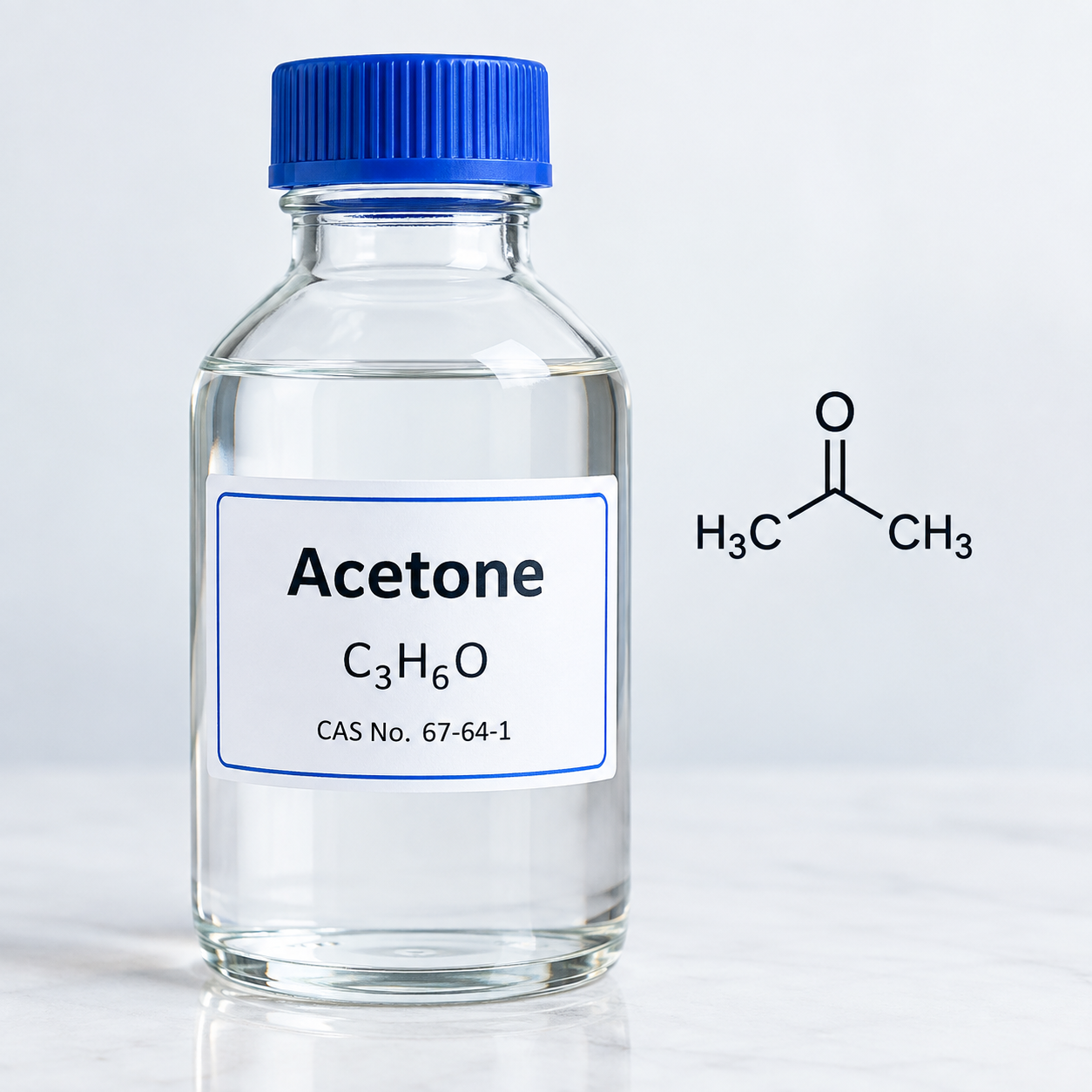
acetic acid market centers on the production, distribution and downstream use of acetic acid, a low-molecular-weight carboxylic acid that functions as a foundational commodity chemical and versatile processing intermediate. As a core feedstock, acetic acid is converted into a small set of high-volume derivatives
vinyl acetate monomer (VAM),
purified terephthalic acid (PTA), acetic anhydride and a variety of esters and
solvents that collectively underpin major industrial value chains including adhesives and
sealants, coatings and paints, polyester and PET manufacture, pharmaceuticals,
agrochemicals, and specialty chemical synthesis. Beyond industrial derivatives, acetic acid is used directly in food and
beverage, metal treatment and pickling,
textile processing and dyeing, and in laboratory or niche chemical syntheses; its role therefore spans commodity-scale polymer production to high-purity, regulated food and pharma grades. Large-scale synthetic production is dominated by carbonylation of
methanol because it affords very high yields, controllable impurity profiles and the throughput required to supply downstream PTA and VAM complexes. Regulatory and governmental frameworks significantly shape the market, food-grade and pharmaceutical applications are subject to food-safety and GMP standards that control allowable impurities and production traceability, chemical manufacturing must meet emissions, effluent and hazardous-materials regulations that dictate reactor design, storage, tank farm containment, and transport protocols and chemical control regimes require inventory reporting, hazard classification and safe-use communication.
According to the research report "Global Acetic Acid Market Outlook, 2030," published by Bonafide Research, the Global Acetic Acid market was valued at more than USD 17.42 Billion in 2024, and expected to reach a market size of more than USD 24.86 Billion by 2030 with the CAGR of 6.24% from 2025-2030. Innovations in acetic acid production include improved
catalysts and more efficient extraction methods that contribute to reduced production costs, while the United States Department of Energy revealed in 2024 its Phase I Release 2 of the SBIR and STTR program, granting $52 million to 229 projects spanning 39 states for advancing bio-based production technologies. Future technology advancements promise transformative impacts on production efficiency and environmental sustainability. The shift toward sustainable production processes through bio-based methods such as fermentation processes using renewable feedstocks like glucose and
cellulose is gaining popularity, with companies forming strategic partnerships and mergers to enhance production capabilities, improve efficiency, reduce costs, and innovate new acetic acid derivatives.
Water-based adhesive and coating formulations rely on vinyl acetate monomer for superior bonding strength and flexibility meeting stricter environmental rules on solvent emissions, with Celanese starting a new vinyl acetate ethylene unit in Nanjing adding 70,000 tons of capacity. Supply chain constraints affecting
logistics and shipping routes and geostrategic supply chain issues continued to shape trade flows, with regional imbalances resulting from local market conditions impacting trade flows and global supply conditions, revealing the fragile nature of acetic acid trade to changes in regional supplies and international economic concerns.
The synthetic acetic acid segment holds the largest share in the global acetic acid market primarily because it offers a highly efficient, economical, and scalable method of production that meets the massive industrial demand across various sectors. Synthetic acetic acid is typically produced through the carbonylation of methanol, a process that has evolved over the decades to become exceptionally energy-efficient and cost-effective. The methanol carbonylation process, the backbone of synthetic acetic acid production, uses methanol and carbon monoxide both widely available and relatively inexpensive feedstocks derived from natural gas. This accessibility ensures price stability and supply security, which is vital for industrial producers operating on thin margins. In contrast, bio-based acetic acid, though environmentally appealing, faces scalability challenges, inconsistent raw material supply, and higher operational costs due to fermentation and purification steps. From an application perspective, synthetic acetic acid’s versatility further strengthens its market dominance. The majority of VAM, which accounts for the largest consumption share of acetic acid, relies exclusively on synthetic-grade acetic acid due to its purity requirements. Similarly, PTA production crucial for polyester fibers and PET plastics demands acetic acid with strict chemical consistency that only synthetic routes can guarantee. In the food industry, synthetic acetic acid is used to produce food-grade
vinegar through dilution and purification, ensuring standardized taste and microbial safety. In addition, its role in the pharmaceuticals, paints, coatings, and
cosmetics industries underlines its global industrial relevance.
The Purified Terephthalic Acid segment is witnessing the fastest growth within the global acetic acid market because of its crucial role in the production of polyester and
polyethylene terephthalate, materials that have become indispensable in the modern industrial and consumer landscape. Acetic acid serves as an essential raw material in the oxidation process of paraxylene to produce PTA, making its demand directly proportional to the growth of polyester and PET industries. The global consumption of polyester fibers in textiles, garments,
home furnishings, and
industrial fabrics has increased sharply over the past decade, driven by factors such as affordability, durability, and versatility. The shift in consumer behavior and industrial production patterns further contributes to this rapid growth. The ongoing urbanization, rising disposable incomes, and expansion of
e-commerce have boosted demand for packaged food and beverages, especially in emerging economies. As
PET bottles and
packaging films made from PTA are central to these industries, the need for acetic acid as a feedstock has surged correspondingly. Furthermore, the growing preference for
synthetic fibers over natural ones like cotton owing to better resilience and lower production costs has expanded polyester manufacturing, which also depends heavily on PTA derived from acetic acid. technological advancements have made PTA manufacturing more efficient and environmentally sustainable, further stimulating growth. Modern production plants employ advanced catalytic oxidation processes that require high-purity acetic acid to ensure optimal yield and quality. Continuous process improvements, including energy recovery systems and waste minimization technologies, have lowered operational costs, making PTA production more viable on a large scale.
The
Packaging & Textiles industry stands as both the largest and fastest-growing end-use segment in the global acetic acid market, driven by its extensive dependence on acetic acid-derived chemicals such as purified terephthalic acid (PTA) and vinyl acetate monomer (VAM). These intermediates are fundamental building blocks in the manufacture of polyester fibers, films, and
polyethylene terephthalate (PET) resins, all of which form the backbone of modern packaging and textile applications. The packaging sector has witnessed exponential growth in recent years due to the rising demand for ready-to-eat foods, bottled beverages, and
e-commerce packaging solutions. The growth of the packaging industry is closely linked to shifting consumer lifestyles, urbanization, and increased purchasing power. As more consumers opt for packaged and convenience products, the use of PET bottles, films, and containers has become nearly ubiquitous. This surge has directly expanded acetic acid consumption, as PTA production is acetic acid-intensive. global sustainability trends are pushing industries toward recyclable and environmentally friendly materials, and PET being among the most recyclable plastics aligns perfectly with these objectives. Major brands and packaging producers are investing in sustainable packaging innovations that still depend on PTA-based polymers, further reinforcing the reliance on acetic acid as an upstream raw material. Polyester has outpaced
natural fibers like cotton due to its cost-effectiveness, durability, and adaptability for diverse applications. The material’s moisture resistance, tensile strength, and dye absorption properties make it highly suitable for both fashion and industrial use. As acetic acid is a vital input for producing PTA the key precursor for polyester the rising textile production volumes across emerging economies have significantly fueled market demand.








 We are friendly and approachable, give us a call.