The global
seed treatment market has emerged as a vital segment of modern agriculture, bridging the gap between rising
food demand and the need for sustainable farming practices. Seed treatment refers to the application of biological, physical, or chemical agents directly onto
seeds before planting to protect them from diseases, pests, and unfavorable environmental conditions, while simultaneously enhancing germination and crop vigor. Over the past decade, the importance of seed treatment has grown significantly due to factors such as increasing global population, shrinking arable land, unpredictable climate conditions, and the need to maximize agricultural productivity per hectare. Farmers across both developed and developing regions are progressively adopting seed treatment solutions as an integral part of crop management because of their cost-effectiveness, reduced reliance on foliar sprays, and precise application that minimizes environmental impact. With the global population projected to reach nearly 10 billion by 2050, the agricultural sector faces immense pressure to boost crop yields without causing further strain on natural resources. In this context, seed treatment technologies play a crucial role in ensuring early-stage
crop protection, which is vital to achieving higher output. Moreover, innovations in seed-applied technologies, including bio-based and environmentally friendly treatments, are gaining traction, driven by the increasing global emphasis on sustainable and organic farming practices. Governments, regulatory bodies, and private players are also investing heavily in research and development to produce advanced treatment solutions that comply with safety standards while ensuring efficiency.
According to the research report "Global Seed Treatment Market Outlook, 2030," published by Bonafide Research, the Global Seed Treatment market was valued at more than USD 8.47 Billion in 2024, and expected to reach a market size of more than USD 12.42 Billion by 2030 with the CAGR of 6.73% from 2025-2030. The primary growth drivers is the rising global demand for food crops, fueled by rapid population growth and urbanization, which compels farmers to seek advanced agricultural solutions that ensure maximum yield per unit of land. Seed treatment provides an economical and effective way to achieve this by safeguarding seeds against soil-borne pathogens, pests, and unfavorable environmental conditions, thereby improving germination rates and crop establishment. Additionally, the continuous decline in arable land has intensified the need for solutions that optimize productivity without expanding farmland, placing seed treatment at the center of modern agricultural strategies. Another critical factor propelling market growth is the shift toward sustainable and environmentally friendly farming practices. With rising concerns over chemical overuse, governments and regulatory agencies are encouraging the adoption of bio-based seed treatments, which not only reduce chemical residues but also enhance soil health. This has led to increasing R&D investments by industry leaders in developing innovative microbial and organic seed treatment products. Furthermore, technological developments such as the use of advanced coating and pelleting techniques are revolutionizing the market by enabling precise application, uniform coverage, and compatibility with modern seed varieties, including hybrids and genetically modified seeds. The expansion of the commercial seed industry is also a major growth contributor, as
high-value seeds require effective treatments to ensure return on investment for farmers.
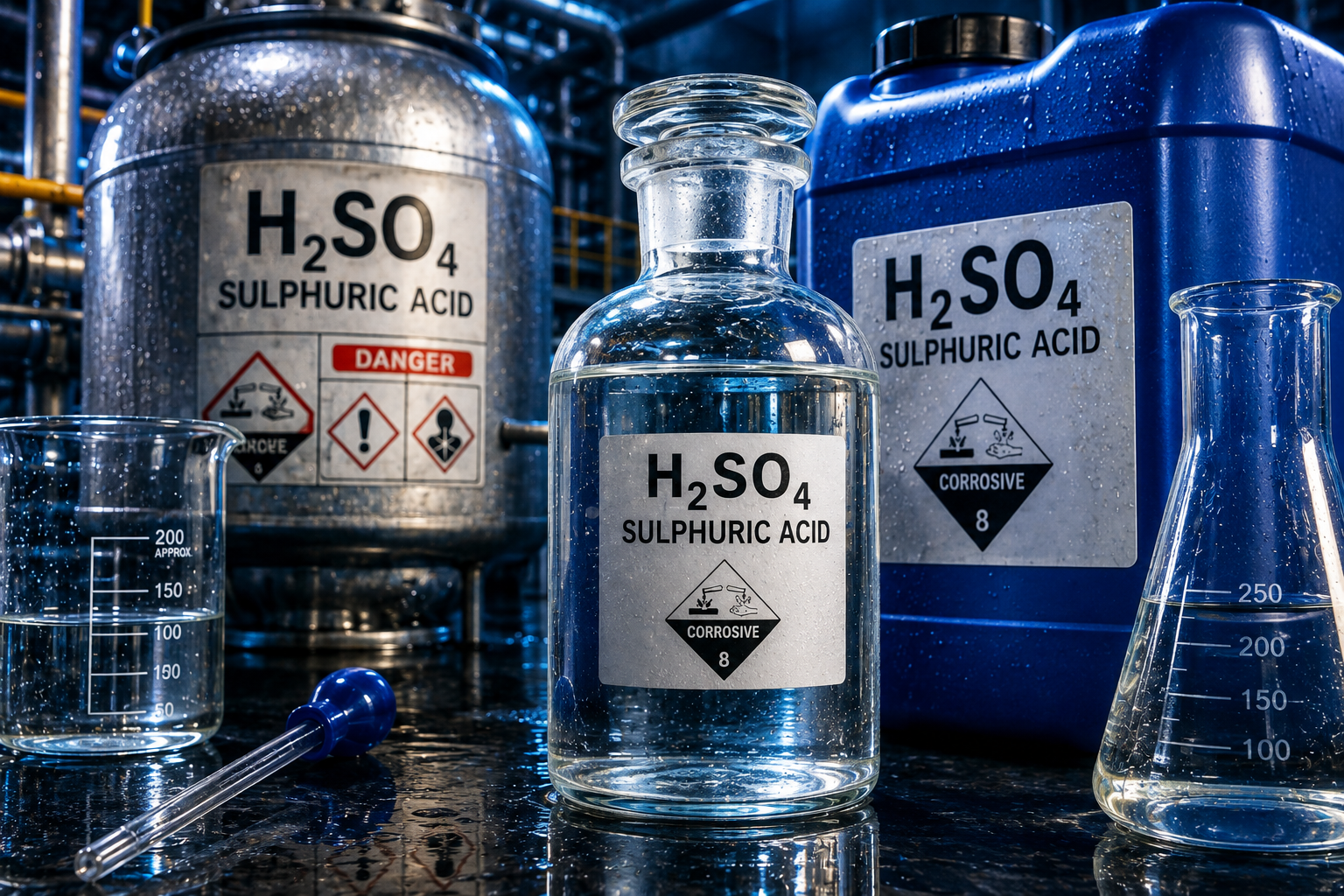
Chemical seed treatment dominates the global seed treatment market primarily because of its proven effectiveness, wide availability, and cost-efficiency in addressing a broad spectrum of seed- and soil-borne challenges. Farmers worldwide prefer chemical seed treatments because they provide reliable protection against fungal diseases, insects, and nematodes during the critical early growth stages of crops. These treatments ensure that seeds germinate successfully, seedlings establish firmly, and plants maintain vigor, ultimately leading to higher yields. One of the major reasons for the dominance of chemical seed treatments is their ability to offer targeted solutions at relatively low costs compared to other methods, such as foliar sprays or soil-applied treatments. By treating seeds directly, farmers need smaller quantities of active ingredients, reducing both input costs and environmental exposure. Furthermore, the scalability and versatility of chemical treatments make them suitable for a wide range of crops, including cereals, oilseeds, pulses, and vegetables, which strengthens their adoption across diverse agricultural systems. The commercial seed industry, particularly hybrid and genetically modified seeds, also supports the growth of chemical treatments because high-value seeds demand protection to safeguard farmer investments. Moreover, continuous innovation in chemical formulations, such as the development of systemic
fungicides,
insecticides, and nematicides, has significantly enhanced the efficiency and longevity of these treatments, enabling them to meet the evolving challenges of pest resistance and climate variability.
Seed protection is the largest functional type in the global seed treatment market because safeguarding seeds during the most vulnerable early stages of plant growth is the primary objective of seed treatment technologies. Seeds are often exposed to numerous biotic and abiotic threats, such as fungal infections, bacterial diseases, soil-borne pathogens, insect infestations, and unfavorable climatic conditions, which can drastically affect germination rates and seedling establishment. Without adequate protection, farmers risk poor crop stands, reduced yields, and financial losses. Seed protection treatments directly address these concerns by creating a protective shield around the seed, ensuring it can withstand early-stage stresses and achieve successful establishment. This function is particularly critical in modern agriculture, where high-value seeds, such as hybrids and genetically modified varieties, are widely used. Farmers investing in premium seeds cannot afford crop failures, making seed protection an indispensable function. Moreover, seed protection aligns with the global agricultural need to maximize productivity from limited arable land, as it helps improve germination consistency and ensures uniform crop stands, which are essential for achieving higher yields. Advances in seed protection technologies, including the integration of fungicidal, insecticidal, and nematicidal components, have further expanded their utility across diverse crops and geographies. In addition, protection-focused treatments are increasingly being developed in biological forms, such as microbial inoculants, which provide natural defense mechanisms against diseases and pests while enhancing soil and plant health.
Cereals and grains represent the largest crop type in the global seed treatment market because they are the backbone of global food security, serving as staple crops for the majority of the world’s population. Wheat,
rice, corn,
barley, and other cereals are cultivated extensively across all regions, occupying the largest share of arable land compared to oilseeds, pulses, or vegetables. With rising global population and increasing demand for staple foods, cereals and grains are under immense production pressure, making them the primary focus for agricultural innovation and input solutions such as seed treatments. Farmers rely heavily on seed treatments to ensure higher germination rates, uniform plant establishment, and protection from pests and diseases that commonly attack cereals, such as fungal pathogens, soil-borne diseases, and insect infestations. Since cereals and grains are cultivated in vast acreages, they are also more vulnerable to yield losses if untreated, further driving the demand for reliable seed protection methods. Seed treatment in cereals also offers significant economic benefits: by protecting seeds during the critical early growth stages, farmers can reduce dependency on foliar pesticides, lower input costs, and achieve more sustainable crop management. The rising adoption of hybrid and genetically modified corn and rice has also boosted the demand for seed treatments, as these high-value seeds require effective protection to deliver their yield potential.
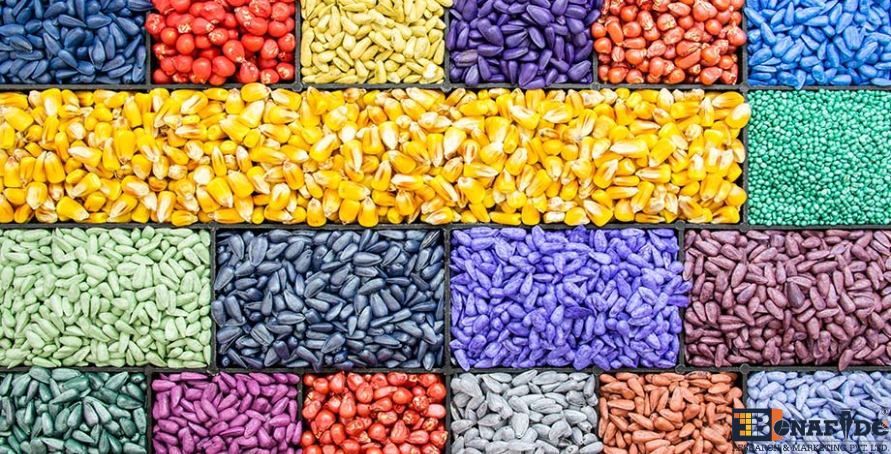
Seed coating is the largest application type in the global seed treatment market because it provides a highly efficient, precise, and sustainable method of delivering protective and nutritive agents to seeds. Unlike traditional dressing or pelleting methods, seed coating offers uniform coverage of active ingredients—such as fungicides, insecticides, nematicides, and biological agents—ensuring that each seed is effectively shielded from early-stage threats while maintaining seed viability and germination. This precision minimizes the quantity of chemicals required, making the process cost-effective for farmers while reducing environmental impact. Seed coating also allows the integration of multiple treatments in a single layer, such as combining crop protection with micronutrients or growth-promoting agents, which enhances overall seed vigor and improves crop performance. The growing adoption of hybrid and genetically modified seeds has further accelerated demand for seed coating, as these high-value seeds require advanced protection and uniform treatment to safeguard farmer investments. Moreover, seed coating improves the physical properties of seeds, making them easier to handle, store, and sow using modern mechanized
planting equipment—an important factor in large-scale commercial farming. Emerging markets in Asia-Pacific and Latin America are also rapidly adopting seed coating technologies due to increasing awareness of their benefits in achieving higher yields and reducing crop losses. Continuous innovations, such as polymer-based coatings and bio-based materials, are further expanding the scope of seed coating by enabling compatibility with eco-friendly treatments.
Liquid formulations dominate the global seed treatment market because they offer superior coverage, ease of application, and compatibility with a wide range of active ingredients compared to dry formulations. Farmers and seed companies prefer liquid-based treatments as they ensure uniform coating of each seed, which is critical for consistent protection against pests, diseases, and unfavorable soil conditions. This uniformity not only improves seed germination and early seedling vigor but also reduces wastage of chemicals, making it a more efficient and cost-effective solution. Liquid formulations are highly versatile, as they can easily incorporate fungicides, insecticides, nematicides, micronutrients, and biological agents into a single application, providing seeds with comprehensive protection and growth enhancement. Their ability to adhere strongly to seeds minimizes dust-off issues, ensuring that active ingredients remain intact until planting, which enhances both safety and environmental performance. Modern coating and treating machines are specifically designed to handle liquid formulations, enabling large-scale treatment of high-value seeds such as hybrids and genetically modified varieties. This compatibility ensures precision dosing, reduced variability, and scalability in commercial seed production, which is critical for meeting global agricultural demands. Moreover, liquid formulations support innovation by allowing the integration of biological seed treatments, such as microbial inoculants, which are increasingly sought after due to rising sustainability concerns and regulatory restrictions on chemical usage.







 We are friendly and approachable, give us a call.