The global
sexual health supplements market has emerged as a significant segment within the broader
health and wellness industry, reflecting the growing consumer focus on
sexual wellness and overall quality of life. Over the past decade, societal awareness of sexual health issues, coupled with the destigmatization of discussions around sexual performance, has driven an increasing demand for supplements that support libido, hormonal balance, reproductive health, and
general vitality. Products in this market are typically formulated for both men and women, with natural ingredients such as ginseng, maca root, tribulus terrestris, L-arginine, and other herbal or nutraceutical compounds being widely adopted for their perceived ability to improve sexual function and energy levels. Market expansion is further supported by advances in research and formulation, which have enabled the creation of more targeted, effective, and safe supplements tailored to specific age groups, gender, and health conditions. Geographically, while North America and Europe have historically led the market due to high consumer awareness and greater disposable income, emerging regions such as Asia-Pacific are experiencing rapid growth. Countries like India and China are seeing increased adoption driven by urbanization, rising middle-class populations, and growing accessibility to healthcare products. The role of
e-commerce and
digital channels cannot be overstated, as they provide consumers with convenient, discreet access to a wide variety of products, along with detailed product information and peer reviews, which enhances purchasing confidence. Despite the promising growth trajectory, the market faces certain challenges, including regulatory variations between regions, consumer skepticism regarding supplement efficacy, and potential safety concerns.
According to the research report "Global Sexual Health Supplements Market Outlook, 2030," published by Bonafide Research, the Global Sexual Health Supplements market was valued at more than USD 3.81 Billion in 2024, and expected to reach a market size of more than USD 6.98 Billion by 2030 with the CAGR of 10.83% from 2025-2030. Products leveraging herbal ingredients like ginseng, tribulus terrestris, maca, and other adaptogens are increasingly preferred by consumers due to perceived safety, minimal side effects, and alignment with broader wellness trends. The male segment has historically dominated the market due to higher reported concerns around erectile dysfunction, libido, and stamina, although female-focused sexual health supplements are rapidly gaining traction as women seek solutions for hormonal support, energy, and reproductive health. Regionally, North America and Europe continue to represent mature markets, supported by robust regulatory frameworks, high healthcare awareness, and strong retail infrastructure. However, Asia-Pacific is emerging as a high-growth region, driven by rising urbanization, increasing disposable incomes, and cultural shifts that reduce the stigma around sexual
health products. The distribution landscape is also evolving, with
online pharmacies, e-commerce platforms, and direct-to-consumer models playing a pivotal role in market expansion. These channels offer convenience, product transparency, discreet delivery, and access to global brands, thereby enhancing consumer trust. Nevertheless, challenges persist, including regulatory inconsistencies across regions, the need for scientific validation of claims, and potential consumer apprehension about product efficacy. In response, manufacturers are increasingly investing in clinical research, transparent labeling, and certifications to ensure credibility.
The natural type dominates the global sexual health supplements market primarily due to the growing consumer preference for products derived from natural ingredients, which are perceived as safer, healthier, and more effective than synthetic alternatives. Rising awareness of health and wellness has led consumers to seek holistic solutions that support sexual health while minimizing potential side effects, and natural supplements fit this demand perfectly. Ingredients such as ginseng, maca root, tribulus terrestris, and herbal extracts have been traditionally associated with improved libido, fertility, and overall sexual well-being, creating strong cultural resonance and acceptance in key regions, particularly Asia, where traditional medicine practices are deeply rooted. Furthermore, scientific studies and marketing efforts highlighting the efficacy of these natural compounds have strengthened consumer trust, positioning natural supplements as the go-to choice for long-term sexual health maintenance. The growing trend of preventive healthcare, along with an increase in disposable income, especially among middle-aged and urban populations, further fuels demand for natural sexual health supplements. Online retail platforms and e-commerce have also made these products more accessible globally, allowing consumers to explore diverse options and formulations with ease. Moreover, regulatory frameworks in many countries favor supplements with natural ingredients, as they often face fewer restrictions compared to synthetic or prescription-based products, which encourages manufacturers to innovate and expand their natural product offerings. Marketing campaigns emphasizing “chemical-free,” “herbal,” or “organic” attributes resonate strongly with modern consumers who are increasingly conscious about what they put into their bodies.
The over-the-counter (OTC) segment leads the global sexual health supplements market due to its unparalleled accessibility, convenience, and ability to meet the growing consumer demand for self-managed health solutions. OTC sexual health supplements are available without a prescription, allowing consumers to address issues related to libido, erectile function, fertility, and hormonal balance privately and immediately, without the need for a doctor’s visit. This ease of access is particularly important in regions where social stigma or cultural sensitivities around sexual health discourage individuals from seeking professional medical advice. The proliferation of retail channels, including pharmacies, health stores, and especially online platforms, has expanded the availability of OTC sexual health products to a wider population, including urban and semi-urban consumers, driving rapid adoption. Furthermore, OTC supplements often undergo regulatory approval that assures consumers of their safety and quality, which builds trust and encourages repeat purchases. Manufacturers leverage strategic marketing campaigns and digital promotions to target demographics seeking discreet, effective, and convenient solutions, highlighting benefits such as improved stamina, hormonal support, and sexual performance enhancement. Rising awareness of sexual wellness and preventive health care, coupled with an increasing willingness to spend on personal well-being, has further strengthened the dominance of OTC products. Additionally, the convenience of purchasing OTC supplements in various dosage forms capsules, tablets, powders, and liquids caters to diverse consumer preferences, enhancing adoption rates.
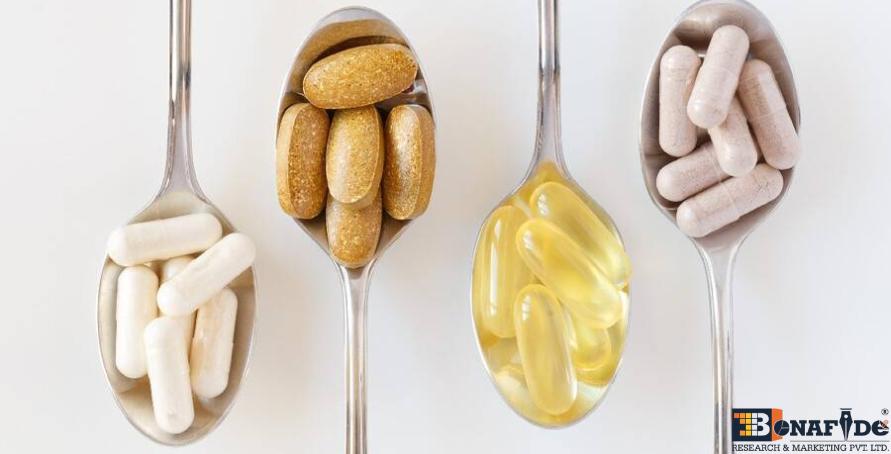
Capsules have emerged as the leading formulation type in the global sexual health supplements market, commanding a significant share due to their convenience, precise dosing, and consumer preference. In 2023, capsules held the largest market share of 31.39%, a position they have maintained due to several compelling reasons. Firstly, capsules offer a discreet and easy-to-consume option for individuals seeking to enhance their sexual health without the need for prescription medications. This aligns with the growing trend of over-the-counter (OTC) availability, allowing consumers to self-manage their health concerns. Additionally, capsules are favored for their ability to deliver consistent and accurate doses, ensuring efficacy and safety. The formulation of capsules also allows for the inclusion of a wide range of ingredients, including natural herbs and extracts, which are increasingly popular among consumers seeking holistic health solutions. Manufacturers have capitalized on this demand by developing innovative capsule formulations that combine traditional remedies with modern scientific advancements. Furthermore, the global distribution channels for capsules are well-established, making them readily available in pharmacies, health stores, and online platforms, thereby increasing their accessibility to a broader audience. The combination of these factors has solidified capsules as the preferred choice in the sexual health supplements market.
Libido-boosting supplements have become the dominant application segment in the global sexual health supplements market, reflecting a significant shift in consumer priorities towards enhancing sexual desire and performance. Firstly, there is a growing awareness and acceptance of sexual wellness, with individuals increasingly seeking solutions to improve their sexual health and overall quality of life. Libido-boosting supplements, often formulated with natural ingredients like ginseng, maca root, and tribulus terrestris, are perceived as safer and more accessible alternatives to prescription medications. Secondly, societal attitudes towards sexual health have become more open, reducing stigma and encouraging individuals to address their concerns proactively. The rise of online platforms and e-commerce has also facilitated access to these supplements, allowing consumers to research and purchase products discreetly. Moreover, the increasing prevalence of stress, lifestyle-related disorders, and aging populations has heightened the demand for products that can enhance libido and sexual vitality. Manufacturers have responded by developing a diverse range of libido-boosting supplements tailored to meet the specific needs of various demographics, including men and women. This targeted approach has further fueled the growth of the libido-boosting segment, making it the largest in the sexual health supplements market.
The "Men" segment dominates the global sexual health supplements market, holding the largest share due to multiple interrelated factors that drive demand. Increasing awareness among men regarding sexual wellness has significantly contributed to this growth, as more individuals actively seek supplements to enhance libido, improve erectile function, boost stamina, and support overall sexual performance. Natural ingredients such as ginseng, maca root, tribulus terrestris, and herbal blends have gained popularity as safer and more accessible alternatives to prescription medications, which appeals strongly to male consumers. Sociocultural shifts are also reducing the stigma associated with male sexual health, encouraging men to address issues such as erectile dysfunction, low testosterone, and declining libido proactively. Additionally, the aging global male population has further strengthened demand, as men experience age-related declines in sexual health and increasingly turn to supplements for vitality and performance support. Urbanization, rising disposable income, and exposure to digital health information contribute to more informed and health-conscious male consumers, who prioritize preventive care and are willing to invest in supplements that enhance quality of life. Online platforms and e-commerce channels have played a crucial role in expanding market access, enabling men to purchase products discreetly, compare options, and explore new formulations without social or geographical constraints. Marketing strategies targeted specifically toward male consumers, emphasizing energy, performance, and virility benefits, have also enhanced adoption.
Online pharmacies have emerged as the largest and fastest-growing distribution channel in the global sexual health supplements market due to the convenience, accessibility, and privacy they provide to consumers. The discreet nature of online purchases is particularly attractive for sexual health products, which are often sensitive and personal in nature, allowing consumers to explore and buy supplements without visiting physical stores. The wide product variety, detailed descriptions, ingredient transparency, and customer reviews available on digital platforms empower consumers to make informed decisions and build trust in the supplements they purchase. Additionally, the rise of e-commerce has been accelerated by changing consumer behaviors, including those catalyzed by the COVID-19 pandemic, which encouraged
online shopping as a safer and more efficient alternative to in-store purchases. Online pharmacies also offer competitive pricing, subscription options, and doorstep delivery, further enhancing convenience and accessibility for urban and semi-urban populations. The ability to access global brands and specialized products that may not be available locally has widened the market reach and driven adoption across multiple demographics. Marketing campaigns leveraging social media, targeted ads, and
influencer promotions have strengthened online visibility and consumer engagement, reinforcing the preference for digital channels.






 We are friendly and approachable, give us a call.