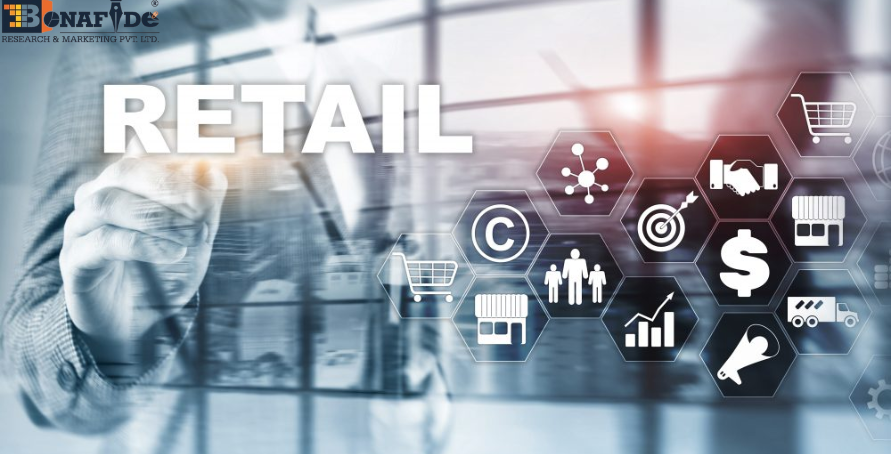
Retail analytics involves collecting, processing, and analyzing vast amounts of data from various sources such as sales transactions, customer interactions, social media, and supply chain operations. This analysis helps retailers understand consumer behavior, optimize inventory, enhance marketing strategies, and improve overall operational efficiency. The rise of
e-commerce, omnichannel retailing, and
digital payment solutions has further accelerated the adoption of retail analytics, as businesses seek to gain deeper insights into customer preferences and shopping patterns. Advanced technologies such as
artificial intelligence, machine learning, and the Internet of Things have revolutionized the retail analytics landscape, enabling
predictive analytics, real-time reporting, and personalized customer experiences. Retailers are increasingly leveraging these tools to anticipate demand, reduce operational costs, and deliver targeted promotions, thereby improving customer satisfaction and loyalty. Moreover, the competitive nature of the retail industry has made analytics a critical component of strategic planning, helping businesses identify emerging trends, optimize pricing strategies, and expand market reach. As consumer expectations continue to evolve, the integration of sophisticated analytics solutions allows retailers to stay agile, responsive, and relevant in a rapidly changing marketplace.
According to the research report "Global Retail Analytics Market Outlook, 2030," published by Bonafide Research, the Global Retail Analytics market was valued at more than USD 8.92 Billion in 2024, and expected to reach a market size of more than USD 12.54 Billion by 2030 with the CAGR of 5.97% from 2025-2030. The primary drivers are technological advancement, including artificial intelligence, machine learning, and real-time data processing, which allows retailers to gain actionable insights quickly and efficiently. Another significant factor is the expansion of e-commerce, which generates massive volumes of consumer data, enabling retailers to better understand shopping behaviors, optimize
digital marketing campaigns, and enhance online user experiences. The trend of omnichannel retailing also fuels the market, as consumers increasingly engage with retailers through physical stores, websites, and mobile apps, making seamless and personalized experiences essential. Retail analytics plays a pivotal role in supply chain optimization by forecasting demand accurately, reducing excess inventory, and improving operational efficiency. Additionally, customer personalization has emerged as a key growth factor, as data-driven insights allow retailers to deliver targeted promotions, customized product recommendations, and tailored marketing strategies, fostering loyalty and increasing sales. Recent developments in the market include the formation of strategic partnerships between retailers and technology providers to enhance analytics capabilities, the rise of retail media networks for targeted
advertising, and a growing focus on sustainability, with retailers leveraging analytics to monitor and reduce environmental impact.
The software component dominates the global retail analytics market because it serves as the backbone for data collection, processing, and interpretation, enabling retailers to make informed, data-driven decisions. Retailers today generate massive volumes of data from multiple sources, including point-of-sale systems, e-commerce platforms, social media channels, and customer loyalty programs. Without sophisticated software solutions, handling such diverse and complex datasets would be nearly impossible. Retail analytics software integrates tools for data visualization, reporting, predictive analytics, and customer segmentation, allowing businesses to transform raw data into actionable insights. Predictive analytics features enable retailers to forecast demand accurately, optimize inventory levels, and anticipate market trends, minimizing wastage and improving profitability. Furthermore, real-time analytics capabilities allow businesses to respond swiftly to sudden changes in consumer behavior, seasonal trends, or market disruptions, giving them a competitive edge. The increasing adoption of artificial intelligence and machine learning within retail analytics software has further enhanced its ability to identify patterns, automate decision-making, and personalize customer experiences. Retailers can now segment customers based on preferences, purchasing habits, and demographics, delivering targeted promotions and improving overall customer engagement. Additionally, the software component supports integration across multiple retail functions, including supply chain, marketing, sales, and inventory management, providing a unified platform for comprehensive insights.
Supply Chain Management (SCM) represents the largest functional segment in the global retail analytics market due to its critical role in ensuring efficient product flow from manufacturers to end consumers. Retail operations heavily depend on timely inventory replenishment, cost optimization, and effective
logistics management, all of which are facilitated by analytics-driven SCM solutions. Analytics in supply chain management allows retailers to forecast demand accurately, reducing the risks of overstocking or stockouts, and ensuring that products are available when and where customers need them. Advanced analytics tools help retailers monitor supplier performance, optimize procurement strategies, and manage warehouse operations effectively, leading to significant cost savings and operational efficiency. Real-time tracking of shipments and inventory levels enables faster response to disruptions, whether caused by supply chain delays, market fluctuations, or unforeseen events. Furthermore, predictive analytics within SCM allows businesses to anticipate demand patterns, seasonal trends, and potential bottlenecks, supporting proactive decision-making rather than reactive measures. The integration of supply chain analytics with other retail functions, such as sales, marketing, and customer experience management, ensures alignment across the organization, providing a holistic view of operations. As retailers face growing pressure to deliver products quickly, reduce operational costs, and enhance customer satisfaction, the strategic application of analytics in supply chain management has become indispensable.
Hypermarkets and supermarkets represent the largest segment in the global retail analytics market due to the scale, diversity, and complexity of their operations. These retail formats cater to a wide customer base, offering thousands of products across multiple categories, including groceries, apparel, electronics, and household goods. Managing such a broad assortment requires precise insights into customer behavior, product demand, inventory levels, and sales trends, which makes analytics solutions indispensable. Retail analytics helps hypermarkets and supermarkets optimize store layouts, product placement, and promotional strategies to maximize sales and enhance the shopping experience. Additionally, these large-format retailers handle high transaction volumes daily, generating substantial amounts of data that, when analyzed, reveal patterns in purchasing behavior, peak shopping hours, and product performance. Leveraging this data allows retailers to implement targeted marketing campaigns, dynamic pricing strategies, and personalized recommendations, which drive customer loyalty and increase revenue. Hypermarkets and supermarkets also operate complex supply chains spanning multiple suppliers, distribution centers, and stores, which necessitates advanced analytics for inventory management, demand forecasting, and logistics optimization. The adoption of omnichannel retailing further reinforces the need for analytics, as consumers increasingly engage across physical stores, online platforms, and mobile apps, requiring a seamless and consistent experience.
Cloud deployment dominates the retail analytics market because it offers flexibility, scalability, and cost-efficiency that on-premises solutions cannot match. Retailers generate enormous amounts of data from point-of-sale systems, e-commerce platforms, mobile applications, and customer interactions. Storing, processing, and analyzing this data on traditional on-premises infrastructure can be costly, time-consuming, and resource-intensive. Cloud-based analytics solutions eliminate these challenges by offering scalable storage and computing power that can expand or contract based on business requirements. This enables retailers of all sizes to access advanced analytics capabilities without investing heavily in hardware or IT maintenance. Cloud deployment also facilitates real-time data processing and reporting, allowing businesses to respond instantly to changes in consumer behavior, market trends, and operational disruptions. Furthermore, cloud platforms support seamless integration across multiple retail functions, including supply chain, inventory management, marketing, and customer experience, providing a unified ecosystem for data-driven decision-making. Security, backup, and disaster recovery are additional advantages offered by cloud solutions, ensuring that sensitive retail data is protected and accessible even during unforeseen events. The cloud’s pay-as-you-go model reduces upfront costs and operational burdens, making analytics solutions more accessible to retailers worldwide. Additionally, the cloud supports advanced technologies like artificial intelligence, machine learning, and predictive analytics, enabling retailers to implement sophisticated strategies such as personalized marketing, dynamic pricing, and demand forecasting.










 We are friendly and approachable, give us a call.