The liking towards the convenient and on the go food drives the development of the North America
Frozen Food Market. The addition of innovative products such as low trans-fat, low fat, multigrain, and whole-wheat items are seen as a driving force to the frozen food industry in North America. Given types, ready to eat frozen food section is to become a dominant segment due to the change in life style and preference. The consistent increment in the supermarkets and hypermarkets in the region would support the demand for frozen food in the future. Globalization and expanding international trade are the fundamental elements for the advancement of the frozen food business, globally. With the economic turns and expanding PPP (Purchasing Power Parity), customers can manage the cost of premium items with improved health benefits and other luxury items. The reason behind this growth is the changing in eating habits due to an ever-evolving lifestyle affected by family structure, hectic working hours, etc. The retail segment and distribution of frozen food are largely dependent on supermarkets, hypermarkets, modern retail shops and departmental stores that cater to large portion of the market. The growth of frozen food products through online mode is increasing steadily and is expected to be a prominent distribution channel in the future.
According to the research report "North America Frozen Food Market Overview, 2029," published by Bonafide Research, the North America Frozen Food market was valued at more than USD 67.82 Billion in 2023. The trend of frozen food has entered many underdeveloped and small middle-class countries like Panama, Dominican Republic, Jamaica, etc. where people tend economically low cost, and easily available frozen food products that are available mostly through grocery and local stores. The interest and demand for convenient ready to eat food items is the main consideration driving the frozen food market in North America, as these food items decrease preparation time and cleaning efforts. The interest for pre prepared food, simple to-cook and ready-to-eat items are to increment over the estimated period, which is going to support the North America frozen food market. Improvements and developments in the product line are supporting the entire frozen food business in North America. The developments in the transportation of frozen food like
refrigerator trucks are broadly utilized to keep up an ideal degree of frigidity condition for frozen food items to remain fresh. These trucks are currently being empowered with GPS technologies from outsider organizations for convenient conveyances of frozen food. This being an essential market interruption is driving the development of the frozen food market positively. The United States commanded the North America frozen food market revenue attributable to the developing and increasing demand for
ready to eat meals because of the increase in disposable income of people and changing food eating habits.
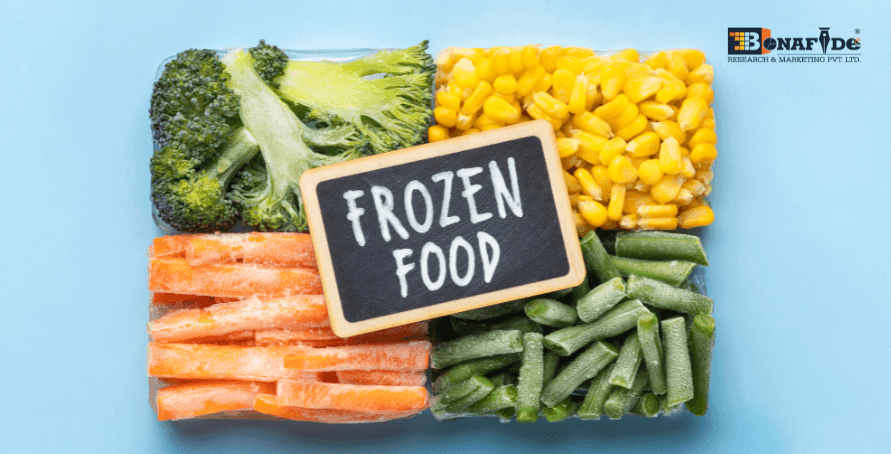
The frozen food market in North America offers a diverse array of products to meet the varying needs and preferences of consumers. One prominent category includes frozen fruits and vegetables, providing convenient access to nutritious produce year-round. These frozen options often retain their flavor and nutritional value, making them popular choices for
smoothies, side dishes, and ingredient additions in recipes. Another significant segment comprises frozen meals and entrees, ranging from traditional comfort foods like lasagna and pizza to healthier options like quinoa bowls and vegetable stir-fries. These frozen meals cater to consumers seeking convenient, ready-to-eat solutions for busy lifestyles, with many options available to accommodate dietary restrictions and preferences such as gluten-free, vegetarian, and organic. Additionally, the frozen snack category continues to grow, offering an assortment of appetizers, finger foods, and treats perfect for quick bites or entertaining. This category includes items like frozen appetizer platters, chicken nuggets, and mini-pizzas, providing convenient options for snacking or hosting gatherings. Moreover, the frozen dessert segment offers a wide selection of indulgent treats, including
ice cream, gelato, frozen
yogurt, and novelties like ice cream sandwiches and popsicles, appealing to consumers of all ages.
In North America, ready meals encompass a broad range of options tailored to meet diverse consumer preferences and dietary needs. One prevalent type of ready meal is the classic comfort food, such as lasagna, macaroni and
cheese, and spaghetti with meatballs, providing convenient and satisfying options for quick dinners or lunches. Additionally, there's a growing demand for healthier ready meals, including quinoa bowls, vegetable stir-fries, and grain-based salads, catering to consumers seeking nutritious and balanced meal solutions. Ethnic cuisines also play a significant role in the ready meal category, with options ranging from Mexican enchiladas and Thai curry to Indian tikka masala, reflecting the multicultural palate of North American consumers. Potatoes hold a prominent place in the frozen food market in North America, with various types of potato products catering to different tastes and occasions. One common type is frozen
French fries, available in a multitude of shapes and sizes, from classic straight-cut fries to curly fries and waffle-cut fries. These versatile potato products are a staple in many households, serving as a convenient side dish or snack option. Additionally, frozen hash browns and potato wedges offer easy-to-prepare alternatives for breakfast or as accompaniments to meals.
Meat and
poultry products offer consumers a convenient and versatile selection of options to incorporate into their meals.
Foodservice and institutional channels play a vital role in the distribution of frozen food products in North America. Restaurants, cafes,
catering services, and other foodservice establishments purchase frozen ingredients and pre-
prepared meals to streamline their operations, reduce food waste, and ensure consistency in menu offerings. Similarly, institutions such as schools, hospitals, and correctional facilities rely on frozen food products for their meal programs, providing convenient and cost-effective solutions for feeding large volumes of people. Moreover, wholesale and distribution channels facilitate the movement of frozen food products from manufacturers to retailers, foodservice operators, and institutional buyers. Distributors play a crucial role in managing inventory,
logistics, and warehousing, ensuring that frozen foods reach their intended destinations efficiently and in optimal condition. Additionally, direct sales channels, such as farmer's markets, specialty food stores, and food co-ops, provide opportunities for smaller-scale producers to connect with consumers seeking locally sourced and artisanal frozen food products. Online retail platforms have emerged as a significant sales channel for frozen foods, allowing consumers to browse and purchase products from the comfort of their homes and have them delivered directly to their doorstep.
E-commerce platforms offer a convenient way to access a broader selection of frozen food options, including specialty and niche products that may not be available in brick-and-
mortar stores.


















 We are friendly and approachable, give us a call.