

 By Sikandar Kesari
 Top Six Companies Global MedTech Market
Global MedTech Market Outlook, 2030 is projected to reach market size of USD 1018.30 Billion by 2030

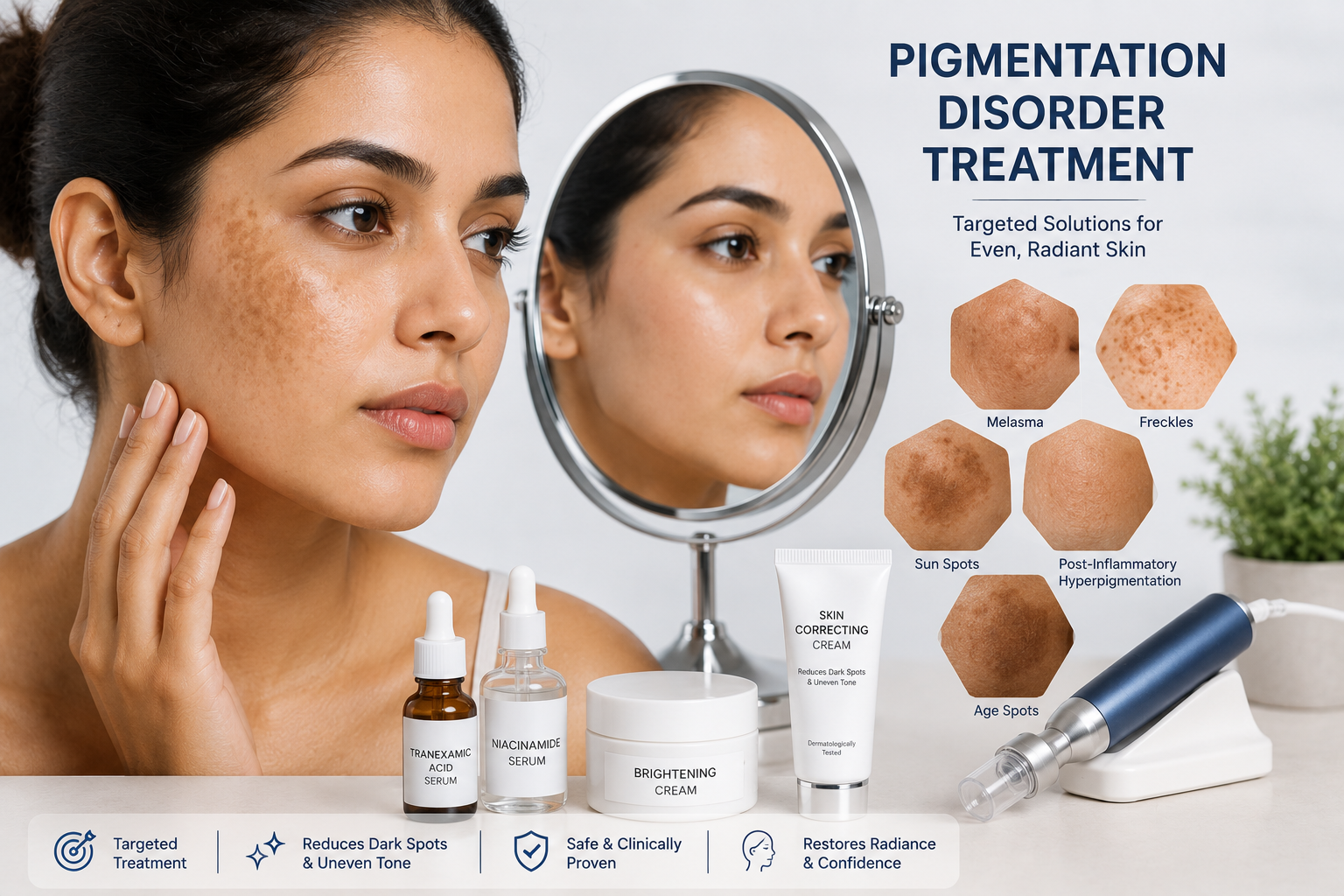
Skin care is moving beyond cosmetics to clinical science The Global Pigmentation Disorder Treatment market was valued at more than USD 8.03 Billion in 2025, and expected to reach a market size of more than USD 10.97 Billion by 2031 with the CAGR of 5.48% from 2026-2031. For years, pigmentation disorders were often perceived as cosmetic concerns, with treatments primarily focused on improving appearance. Today, this perception is rapidly changing. Advances in dermatology, growing awareness of skin health, and innovations in personalized medicine are transforming pigmentation disorder treatment into a specialized area of clinical care. Conditions such as melasma, vitiligo, post-inflammatory hyperpigmentation, and age spots affect millions of people worldwide, often impacting self-esteem, emotional well-being, and quality of life. As patients increasingly seek safe, effective, and long-lasting solutions, the pigmentation disorder treatment market is evolving through precision diagnostics, targeted therapies, and technology-driven skincare. Personalized treatment is replacing the one-size-fits-all approach One of the most significant trends shaping the pigmentation disorder treatment market is the rise of personalized dermatology. Skin pigmentation varies widely based on genetics, skin tone, environmental exposure, hormonal changes, and underlying medical conditions, making standardized treatment approaches less effective for many patients. Dermatologists are increasingly using advanced skin imaging, artificial intelligence, and genetic insights to develop individualized treatment plans. These plans may combine prescription medications, laser therapies, chemical peels, topical formulations, and lifestyle recommendations based on each patient's specific skin profile. This personalized approach improves treatment outcomes while reducing side effects and recurrence rates, making it one of the most important developments in modern dermatological care. Technology is revolutionizing pigmentation management Innovation is rapidly transforming how pigmentation disorders are diagnosed and treated. High-resolution imaging systems, AI-assisted skin analysis, and digital dermatology platforms allow clinicians to identify pigmentation patterns with greater accuracy and monitor treatment progress over time. Laser technologies, intense pulsed light (IPL) devices, microneedling, and combination therapies are offering patients more targeted treatment options with shorter recovery periods. At the same time, teledermatology is expanding access to specialist consultations, particularly in regions where dermatological services remain limited. As digital healthcare continues to evolve, technology is expected to play an increasingly important role throughout the patient journey from diagnosis to long-term treatment management. Consumer awareness is expanding the market The growing popularity of skincare education through social media, beauty influencers, and digital health platforms has significantly increased awareness of pigmentation disorders and available treatment options. Consumers are becoming more informed about the causes of uneven skin tone, sun damage, hormonal pigmentation, and inflammatory skin conditions. Rather than relying solely on cosmetic products, patients are increasingly seeking clinically validated treatments supported by dermatologists. This shift toward evidence-based skincare is encouraging pharmaceutical companies, medical device manufacturers, and skincare brands to invest in innovative treatment solutions that combine efficacy with safety. The growing emphasis on skin health rather than cosmetic appearance is creating new opportunities across the pigmentation disorder treatment market. Combination therapies are becoming the new standard Modern dermatology recognizes that pigmentation disorders often require multiple treatment strategies rather than a single intervention. As a result, combination therapies are becoming increasingly common. Patients may receive prescription topical agents alongside laser procedures, oral medications, sunscreen protocols, antioxidant therapies, and customized skincare regimens. This integrated approach addresses both the visible symptoms and the underlying biological factors contributing to pigmentation disorders. The increasing adoption of multimodal treatment strategies is expected to drive continued innovation across pharmaceuticals, aesthetic devices, and dermatology clinics. North America remains a leading market for pigmentation disorder treatments, supported by advanced dermatology services, high healthcare spending, and rapid adoption of innovative aesthetic technologies. Europe also maintains a significant market presence through strong research activities, increasing awareness of skin health, and expanding access to specialized dermatological care. The Asia-Pacific region is projected to witness the fastest market growth. Rising disposable incomes, increasing demand for advanced skincare treatments, expanding medical aesthetics industries, and growing awareness of dermatological conditions are driving market expansion across countries such as China, India, Japan, and South Korea. The future of the pigmentation disorder treatment market will be defined by precision medicine, digital dermatology, and patient-centered innovation. Artificial intelligence, biomarker-based diagnostics, regenerative medicine, and next-generation topical formulations are expected to improve treatment accuracy while delivering more personalized care. As dermatology continues to shift from generalized treatment protocols to individualized therapeutic strategies, pigmentation disorder management will become increasingly effective, accessible, and scientifically driven. Companies that combine clinical research, digital technologies, and advanced therapeutic solutions will be well positioned to shape the next phase of growth in this rapidly evolving market.
See how you can up your career status

Global MedTech Market Outlook, 2030 is projected to reach market size of USD 1018.30 Billion by 2030
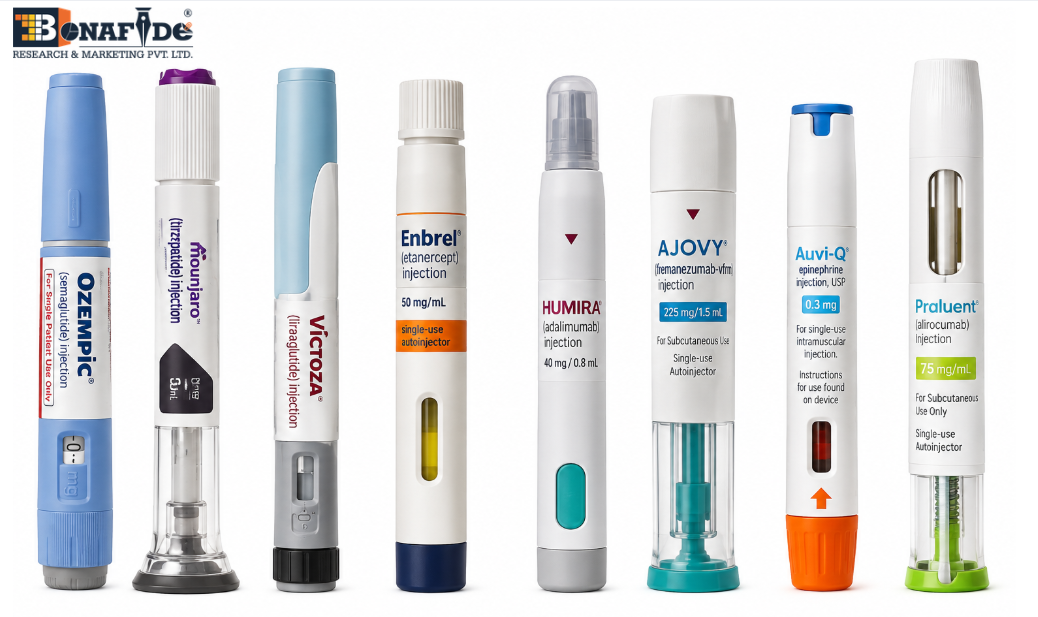
Autoinjectors market gains momentum amid rising prevalence of autoimmune disorders and decentralized care models
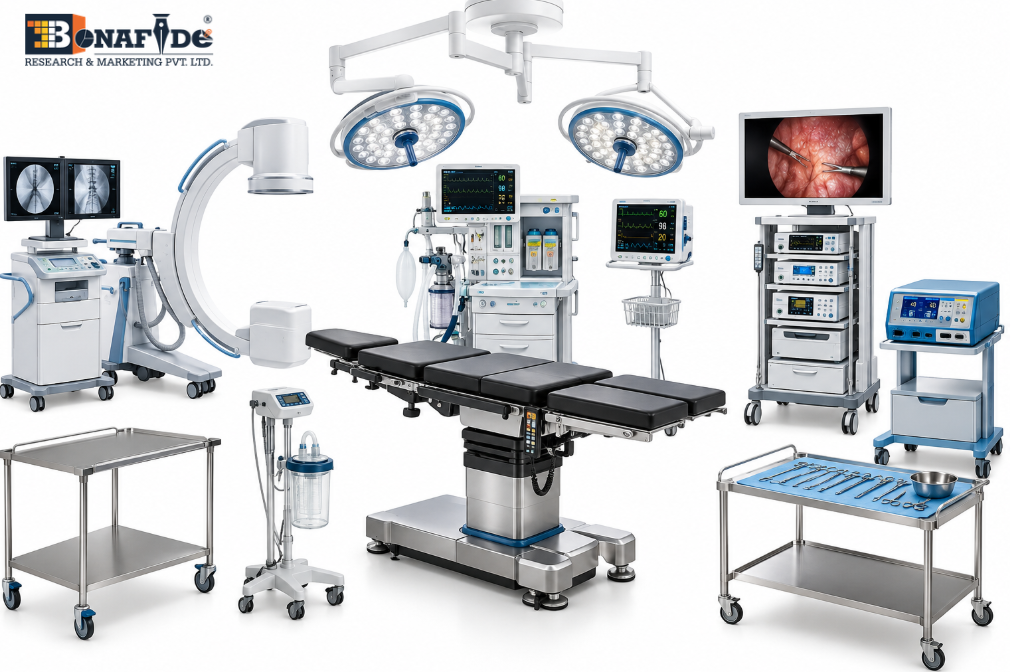
Operating room equipment market surge powered by aging global demographics and chronic disease burden.

The global ambulatory EHR market was valued at more than USD 7.19 billion in 2025 and is expected to reach more than USD 10.65 billion by 2031, growing at a CAGR of 6.93% from 2026 to 2031.
 We are friendly and approachable, give us a call.