

Top Six Companies Global Dental Consumables Market
Global Dental Consumables Market Outlook, 2030 is projected to reach market size of USD 60.49 Billion by 2030.

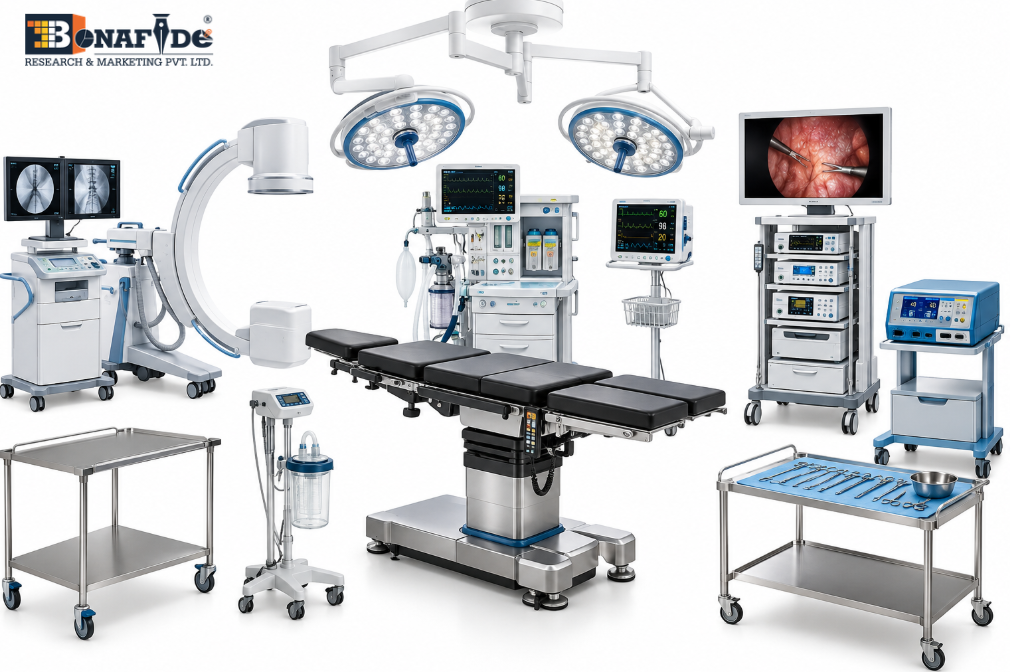
The Global Operating Room Equipment Market is an important segment of the medical devices and surgical technology industry, driven by the increasing volume of surgical procedures, expansion of healthcare infrastructure, rising prevalence of chronic diseases, and growing adoption of advanced surgical technologies. Operating room equipment is extensively used across hospitals, ambulatory surgical centers (ASCs), specialty clinics, and other surgical facilities to support safe, efficient, and technologically advanced surgical procedures.
According to the research report, “Global Operating Room Equipment Market Overview, 2031” published by Bonafide Research, the Global Operating Room Equipment Market is expected to cross 64.26 Billion market size by 2031, with 7.22% CAGR by 2026-31.North America remains the largest regional market, while Asia-Pacific is expected to experience strong growth as healthcare infrastructure expands and surgical capacity increases.
The market is undergoing an important structural shift toward digitized, connected, minimally invasive, and technology-enabled operating rooms. Innovations in surgical imaging, anesthesia workstations, patient monitoring, electrosurgical systems, operating tables and lights, OR integration, hybrid operating rooms, and AI-enabled surgical workflows are enabling healthcare providers to improve surgical precision, workflow efficiency, patient safety, and clinical outcomes.
Why Operating Room Equipment Matters in Modern Healthcare
Operating rooms represent one of the most technologically intensive environments within a healthcare facility. Successful surgical procedures depend on the coordinated performance of multiple equipment systems, including anesthesia devices, surgical imaging systems, electrosurgical equipment, patient monitoring systems, operating tables, surgical lights, surgical visualization systems, and other supporting technologies.
Modern operating room equipment plays an important role in maintaining patient safety, surgical precision, anesthesia management, physiological monitoring, infection control, and operating-room efficiency. Reliable equipment allows surgical teams to continuously monitor patients, visualize anatomical structures, control bleeding, administer anesthesia, and perform increasingly complex procedures. The increasing complexity of surgical interventions is also creating demand for more integrated operating environments. Healthcare providers are increasingly looking for equipment that can communicate with other systems, share clinical information, and support streamlined workflows across the surgical team.
Rising Demand for Surgical Procedures
The growing global burden of chronic diseases such as cardiovascular diseases, cancer, diabetes-related complications, neurological disorders, and orthopedic conditions continues to support demand for surgical procedures.
An aging global population is further contributing to surgical demand as older patients are more likely to require procedures for joint replacement, cardiovascular disease, cataracts, cancer, spinal disorders, and other age-related conditions. At the same time, improvements in diagnosis are enabling diseases to be detected earlier, increasing the number of patients who become candidates for surgical intervention. The expansion of healthcare coverage and investment in hospital infrastructure in emerging economies is also increasing access to surgical care.
The Shift Toward Minimally Invasive and Advanced Surgery
One of the most important trends shaping the operating room equipment market is the increasing adoption of minimally invasive surgery (MIS). Minimally invasive procedures can reduce tissue damage, blood loss, hospital stays, and recovery times compared with many conventional surgical approaches. The expansion of laparoscopic, endoscopic, image-guided, robotic-assisted, and other minimally invasive procedures is therefore increasing demand for advanced visualization and imaging technologies. Surgical imaging systems, high-definition visualization platforms, electrosurgical devices, advanced patient monitoring, and specialized operating tables are increasingly being integrated into surgical workflows. This transition is also encouraging manufacturers to develop equipment with improved image quality, greater maneuverability, enhanced ergonomics, smaller footprints, and better interoperability with other OR systems.
Growing Adoption of Surgical Imaging Systems
Surgical imaging systems represent an important area of technological development within the operating room equipment market.
Mobile C-arms, 3D imaging systems, intraoperative imaging platforms, surgical visualization systems, and other image-guided technologies allow surgeons to obtain real-time anatomical information during procedures.
These technologies are particularly important in:
The increasing use of image-guided surgery is encouraging healthcare providers to upgrade conventional operating rooms and invest in more sophisticated imaging capabilities. Surgical imaging is also becoming increasingly important in hybrid operating rooms, where advanced imaging equipment is integrated directly into the surgical environment.
Integrated and Hybrid Operating Rooms Gain Importance
The operating room is evolving from a collection of individual medical devices into a connected surgical environment. Integrated operating rooms combine equipment such as surgical lights, imaging systems, displays, cameras, patient monitors, anesthesia systems, and surgical devices through centralized control and communication platforms.
Hybrid operating rooms take this concept further by combining conventional surgical capabilities with advanced imaging technologies. These environments allow surgeons to perform complex procedures while accessing real-time imaging without transferring the patient to another department.
Hybrid ORs are particularly relevant for:
The expansion of these facilities is increasing demand for high-value capital equipment and supporting infrastructure.
Electrosurgical Devices Improve Surgical Efficiency
Electrosurgical devices are widely used during surgical procedures for cutting, coagulation, tissue dissection, and bleeding control. The increasing volume of general, orthopedic, gynecological, urological, cardiovascular, and other surgical procedures is supporting demand for electrosurgical generators and related instruments.
Manufacturers are increasingly focusing on technologies that provide more precise energy delivery while minimizing collateral tissue damage. Advanced electrosurgical systems are also increasingly being integrated with other OR technologies, supporting more standardized and efficient surgical workflows.
Artificial Intelligence and Data-Driven Operating Rooms
Artificial intelligence and data connectivity are emerging as important technologies in the evolution of the operating room. AI-enabled systems can support surgical planning, image analysis, workflow optimization, clinical decision support, predictive analytics, and documentation.
The integration of equipment with hospital information systems and digital health platforms is also allowing surgical teams to capture and analyze increasing amounts of clinical data. Future operating rooms are expected to become increasingly connected and data-driven, with greater interoperability among:
This transition is creating opportunities for manufacturers that can combine medical equipment with software, connectivity, analytics, and digital workflow capabilities.
Hospitals Remain the Core End User
Hospitals represent the largest end-user segment for operating room equipment, owing to their high volume of surgical procedures and broad range of surgical specialties. Hospitals require comprehensive OR infrastructure covering anesthesia, imaging, monitoring, electrosurgery, operating tables, surgical lights, visualization, and other equipment. However, demand is increasingly expanding beyond hospitals into ASCs and specialty clinics. The decentralization of surgical care is creating new opportunities for manufacturers to provide compact, modular, portable, and cost-efficient systems suitable for outpatient environments. As a result, the competitive landscape is increasingly influenced not only by large hospital capital-equipment projects but also by the expansion of outpatient surgical infrastructure.
See how you can up your career status

Global Dental Consumables Market Outlook, 2030 is projected to reach market size of USD 60.49 Billion by 2030.

Global Diabetes Management Supplements Market Outlook, 2030 was valued at more than USD 7.82 Billion in 2024, and expected to reach a market size of more than USD 12.60 Billion by 2030.
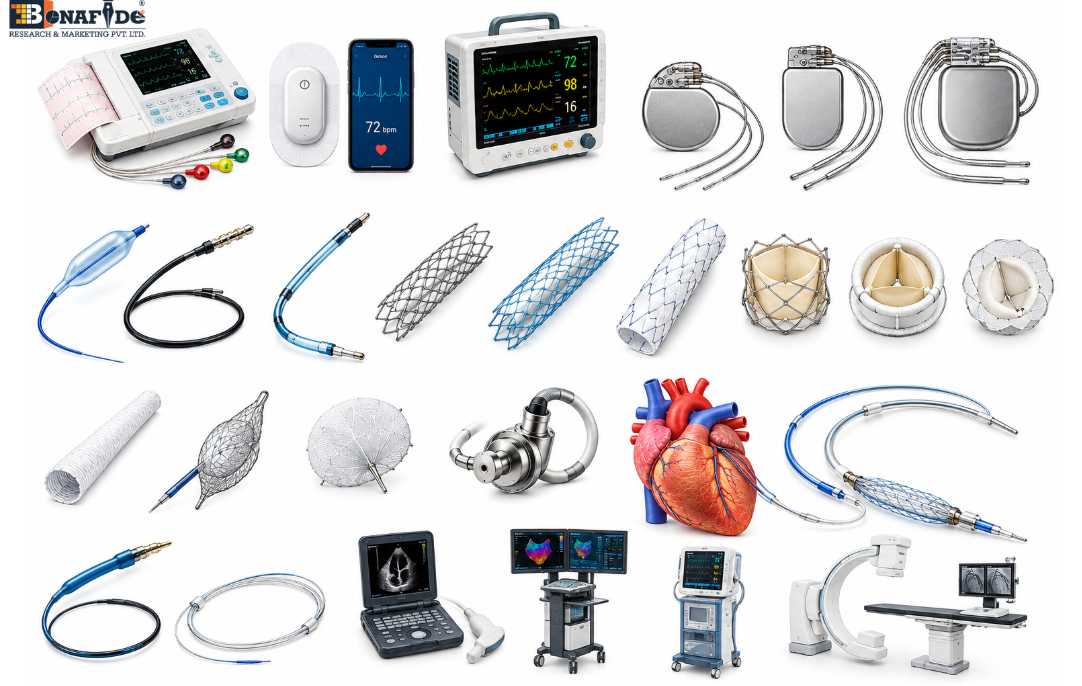
The Global Cardiovascular Devices Market is expected to cross 110.33 Billion market size by 2031, with 8.07% CAGR by 2026-31.
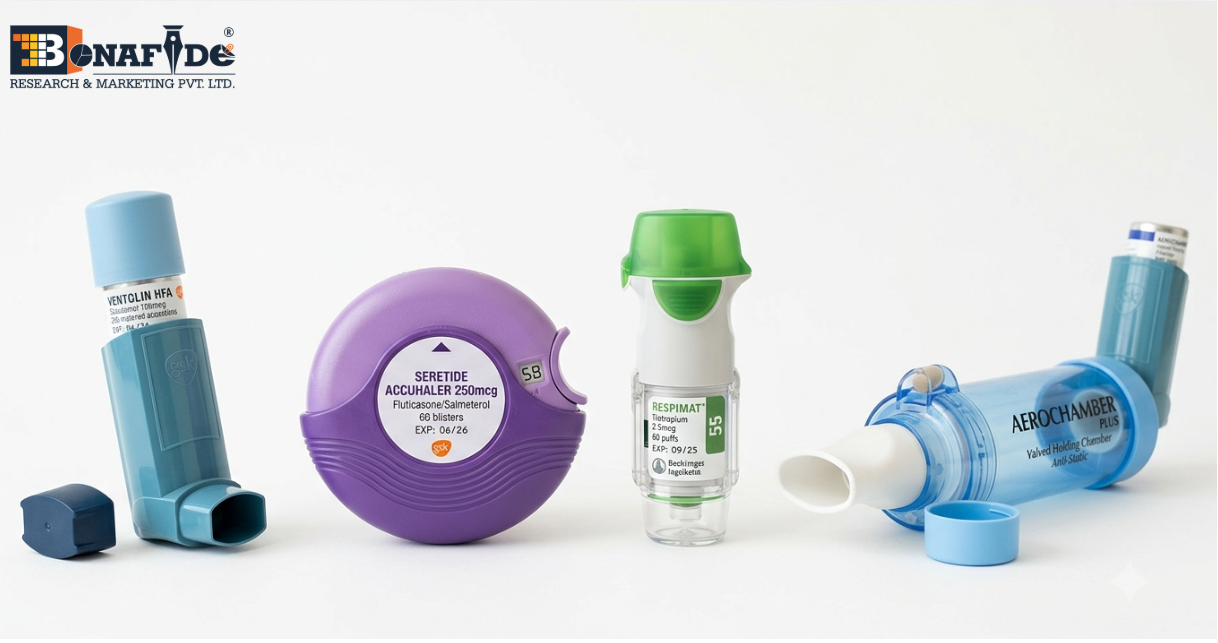
Global Inhalation Devices Market is expected to cross 41.79 billion market size by 2031, with 6.71% CAGR by 2026-31.
 We are friendly and approachable, give us a call.