

Top Six Companies Global Dental Consumables Market
Global Dental Consumables Market Outlook, 2030 is projected to reach market size of USD 60.49 Billion by 2030.

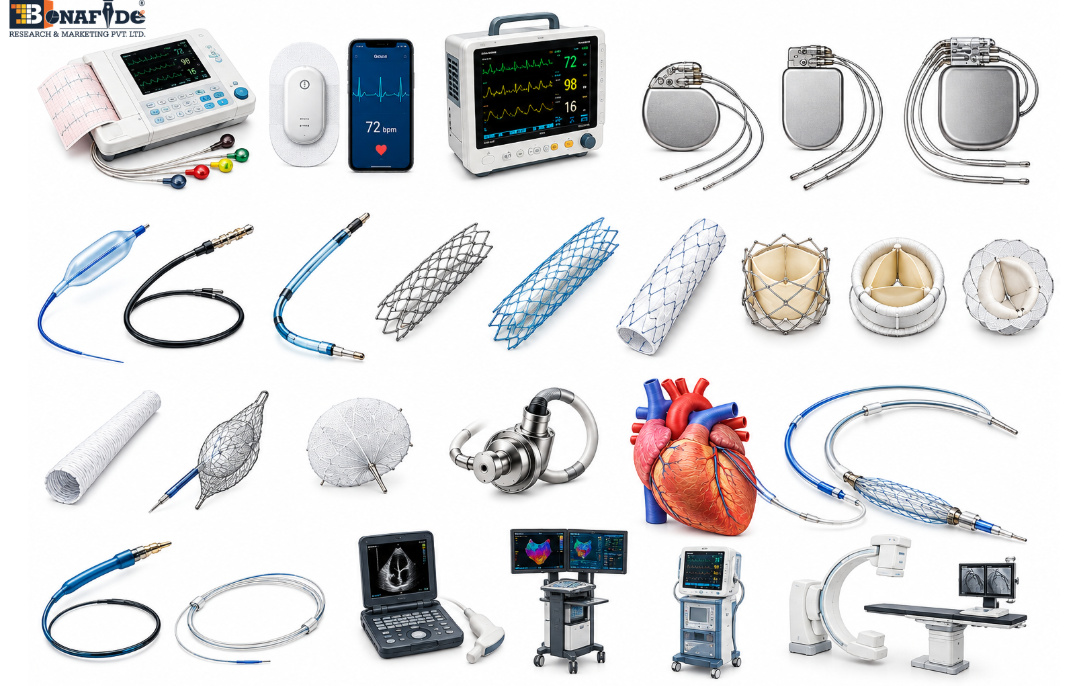
The Global Cardiovascular Devices Market is an important segment of the healthcare and medical devices industry, driven by the increasing prevalence of cardiovascular diseases, growing aging population, rising demand for minimally invasive procedures, increasing healthcare expenditure, technological advancements, and expanding access to cardiac care. Cardiovascular devices include a broad range of medical technologies used for the diagnosis, monitoring, treatment, and management of cardiovascular conditions. These include cardiac rhythm management devices, interventional cardiology devices, vascular devices, structural heart devices, cardiac surgical devices, and cardiovascular monitoring technologies. These devices support healthcare professionals in diagnosing cardiovascular conditions, restoring or maintaining heart function, improving blood flow, and managing patients with complex cardiac disorders.
According to Bonafide market research report, the Global Cardiovascular Devices Market is expected to cross 110.33 Billion market size by 2031, with 8.07% CAGR by 2026-31., supported by the increasing global burden of cardiovascular diseases, advancements in medical device technologies, rising demand for minimally invasive cardiovascular procedures, and improvements in healthcare infrastructure. North America and Europe remain important markets due to advanced healthcare systems, high adoption of innovative cardiovascular technologies, and the presence of established medical device manufacturers, while Asia-Pacific is expected to experience strong growth as healthcare infrastructure expands, awareness of cardiovascular treatment increases, and access to advanced cardiac procedures improves.
The market is undergoing an important technological transition toward minimally invasive, catheter-based, robotic-assisted, image-guided, connected, and digitally integrated cardiovascular solutions. Innovations in coronary stents, transcatheter heart valves, cardiac rhythm management devices, vascular grafts, thrombectomy systems, cardiac monitoring technologies, and electrophysiology devices are helping healthcare providers improve treatment outcomes and procedural efficiency. Integration with advanced imaging, artificial intelligence, remote monitoring, robotics, and digital healthcare platforms is further expanding the capabilities of cardiovascular devices.
Why Cardiovascular Devices Matter in Modern Healthcare
Cardiovascular devices represent an important component of modern healthcare because they support the diagnosis, treatment, and long-term management of cardiovascular diseases, which remain a major global health burden. Cardiovascular conditions can require continuous monitoring, medication management, interventional procedures, surgery, or long-term device-based treatment depending on the patient's condition.
Advanced cardiovascular devices can support healthcare professionals in managing conditions such as coronary artery disease, heart failure, arrhythmias, valvular heart disease, peripheral artery disease, and other cardiovascular disorders. Devices such as pacemakers and implantable cardioverter-defibrillators can help manage abnormal heart rhythms, while coronary stents and catheter-based technologies can restore blood flow in narrowed or blocked vessels. The growing complexity of cardiovascular care is also increasing demand for devices that combine clinical effectiveness, safety, precision, durability, ease of use, and minimally invasive delivery. Healthcare providers are increasingly adopting technologies that can reduce procedure times, shorten hospital stays, improve patient recovery, and support more personalized cardiovascular treatment.
Rising Focus on Minimally Invasive Cardiovascular Procedures
The increasing adoption of minimally invasive and catheter-based cardiovascular procedures is one of the major factors supporting the growth of the cardiovascular devices market. Healthcare systems are increasingly seeking treatment approaches that can reduce surgical trauma, hospital stays, recovery periods, and procedure-related complications where clinically appropriate.
Interventional cardiology has expanded significantly with the development of technologies such as coronary stents, balloon catheters, atherectomy systems, thrombectomy devices, and catheter-based valve replacement systems. These technologies enable healthcare professionals to treat certain cardiovascular conditions through relatively small vascular access points rather than conventional open surgery. The expansion of minimally invasive procedures is also increasing demand for advanced catheter systems, guidewires, imaging technologies, closure devices, and other supporting cardiovascular equipment.
The growing availability of specialized cardiac centers and interventional facilities is further supporting the adoption of these technologies, particularly in developed healthcare markets and increasingly across emerging economies.
Increasing Prevalence of Cardiovascular Diseases
The increasing global burden of cardiovascular diseases is creating sustained demand for cardiovascular devices. Conditions such as coronary artery disease, heart failure, hypertension-related cardiovascular complications, arrhythmias, valvular heart disease, and peripheral artery disease require diagnosis, treatment, and ongoing patient management. An aging global population is also contributing to the demand for cardiovascular care. Older populations have a higher incidence of several cardiovascular conditions and may require long-term monitoring, interventional procedures, surgical treatment, or implantable cardiovascular devices.
Increasing awareness of cardiovascular disease and improvements in diagnosis are also enabling more patients to receive treatment at earlier stages. As healthcare systems improve their ability to identify cardiovascular conditions, demand for diagnostic, interventional, surgical, and monitoring devices is expected to increase. The increasing prevalence of risk factors such as obesity, diabetes, physical inactivity, and unhealthy dietary patterns is also contributing to the broader cardiovascular disease burden and creating continued demand for cardiovascular healthcare services and technologies.
Cardiac Rhythm Management Devices Gain Importance
Cardiac rhythm management represents an important technology segment within the cardiovascular devices market. Abnormal heart rhythms can affect the heart's ability to pump blood efficiently and, in some cases, can lead to serious complications.
Devices such as pacemakers, implantable cardioverter-defibrillators, and cardiac resynchronization therapy systems are used for the management of specific rhythm and heart-failure-related conditions. Advances in device miniaturization, battery technology, sensing capabilities, lead design, remote monitoring, and programming are helping manufacturers develop increasingly sophisticated cardiac rhythm management technologies. The development of leadless pacemakers and other less invasive cardiac technologies is also creating new opportunities within the cardiac rhythm management segment.
Expansion of Interventional Cardiology and Coronary Devices
Interventional cardiology remains a major area of cardiovascular device adoption. Coronary artery disease can result in narrowing or blockage of coronary arteries, potentially restricting blood flow to the heart.
Percutaneous coronary intervention (PCI) uses catheter-based technologies to restore blood flow in selected patients. Devices such as balloon catheters and coronary stents play an important role in these procedures. Technological developments in drug-eluting stents, balloon technologies, guidewires, imaging systems, and lesion preparation devices are supporting improvements in interventional cardiovascular procedures.
Manufacturers are increasingly focusing on devices that offer improved deliverability, flexibility, radial strength, precision, and biocompatibility. These developments are helping expand the range of cardiovascular conditions that can be addressed using minimally invasive approaches.
Growing Adoption of Digital and Connected Cardiovascular Devices
Digital connectivity is becoming an increasingly important component of cardiovascular device development. Modern cardiovascular devices are increasingly being designed with connectivity features that allow patient data to be transmitted to healthcare professionals and digital healthcare platforms.
Connected cardiac devices can support continuous or periodic monitoring of patients outside traditional healthcare facilities. Remote monitoring can provide healthcare professionals with information related to heart rhythm, device performance, physiological parameters, and other clinically relevant indicators.
Future cardiovascular device ecosystems are expected to become increasingly connected, with greater interoperability among: Implantable cardiac devices, Wearable cardiac monitors, Remote patient monitoring platforms, Electronic health record systems, Hospital information systems, Telemedicine platforms, Cardiac imaging systems, Clinical decision-support systems, Cloud-based healthcare platforms, Artificial intelligence and analytics platforms.
This transition is creating opportunities for cardiovascular device manufacturers that can combine medical technologies with connectivity, data analytics, remote monitoring, and digital healthcare capabilities.
Artificial Intelligence and Advanced Imaging Transform Cardiovascular Care
Artificial intelligence and advanced imaging technologies are increasingly influencing cardiovascular diagnosis and treatment. AI-based systems can support healthcare professionals in analyzing medical images, identifying patterns, assessing cardiovascular risk, and assisting with procedural planning.
Advanced cardiovascular imaging technologies, including echocardiography, computed tomography, magnetic resonance imaging, and intravascular imaging, provide detailed information about cardiac structures and blood vessels.
Expansion of Cardiovascular Devices in Hospitals and Specialized Cardiac Centers
Hospitals remain one of the major end-user segments for cardiovascular devices. Cardiology departments, cardiac catheterization laboratories, operating rooms, intensive care units, and specialized cardiovascular centers require a wide range of technologies for diagnosis and treatment.
Cardiovascular devices are used across multiple stages of the patient care pathway, including diagnosis, intervention, surgery, monitoring, rehabilitation, and long-term disease management.
The increasing establishment of specialized cardiac centers and catheterization laboratories is supporting demand for advanced cardiovascular technologies. Hospitals are also investing in modern imaging, surgical, interventional, and monitoring systems to improve cardiovascular care capabilities. The growing emphasis on reducing hospital stays and improving patient recovery is further encouraging healthcare providers to adopt minimally invasive cardiovascular technologies where clinically appropriate.
Growing Demand for Vascular and Peripheral Intervention Devices
Peripheral artery disease and other vascular conditions are creating additional opportunities for cardiovascular device manufacturers. Peripheral vascular interventions can help restore blood flow in affected arteries and may reduce symptoms and improve mobility in appropriately selected patients.
Devices used in peripheral interventions include angioplasty balloons, peripheral stents, atherectomy systems, thrombectomy devices, vascular grafts, and other catheter-based technologies. Technological developments are increasingly focused on improving device flexibility, navigability, deliverability, and lesion-crossing capabilities. The growing use of image-guided interventions is also supporting the development of more precise vascular treatment technologies. As awareness and diagnosis of peripheral vascular disease increase, demand for minimally invasive vascular intervention technologies is expected to continue expanding.
Increasing Focus on Remote Cardiac Monitoring
Remote cardiac monitoring is becoming an increasingly important part of cardiovascular disease management. Wearable devices, implantable monitors, mobile cardiac telemetry systems, and connected cardiac technologies can provide healthcare professionals with additional information about patients outside conventional clinical environments.
Remote monitoring can support the management of patients with arrhythmias, heart failure, and other cardiovascular conditions requiring ongoing observation. Continuous or periodic data collection can help healthcare professionals identify changes in physiological parameters and determine when additional clinical evaluation may be appropriate.
The integration of remote monitoring with telemedicine, cloud-based platforms, artificial intelligence, and electronic health records is creating opportunities for more connected cardiovascular care models.
See how you can up your career status
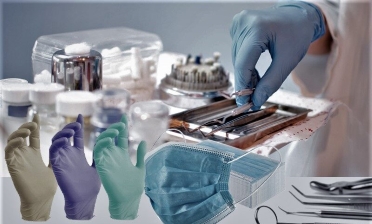
Global Dental Consumables Market Outlook, 2030 is projected to reach market size of USD 60.49 Billion by 2030.
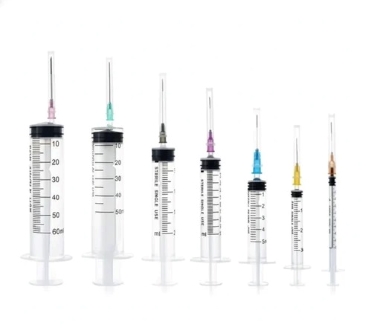
Global Disposable Syringes market is projected to reach market size of USD 14.51 Billion by 2030
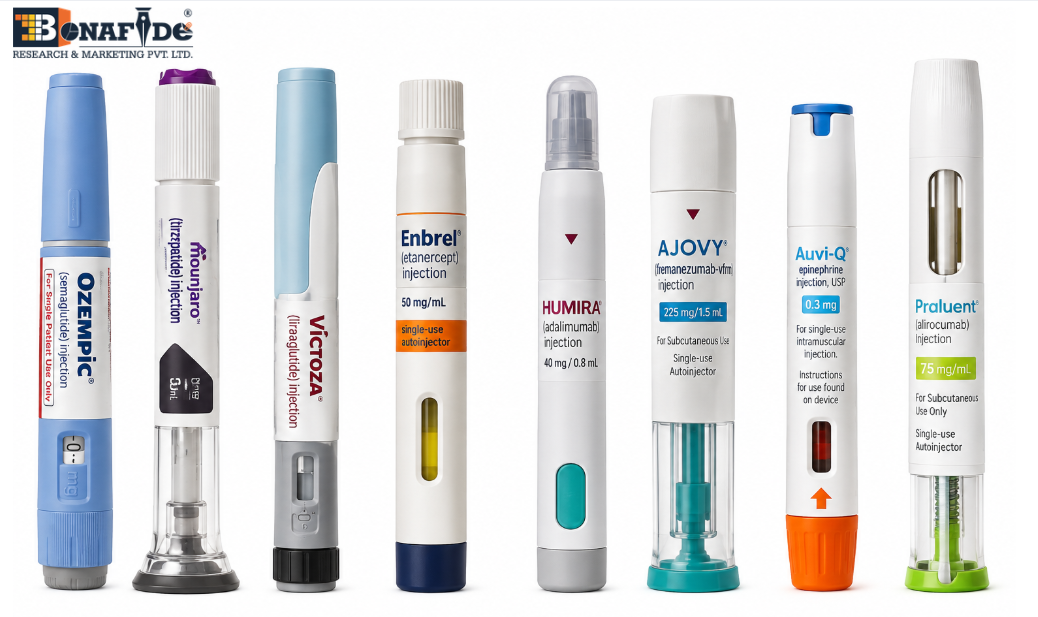
Autoinjectors market gains momentum amid rising prevalence of autoimmune disorders and decentralized care models
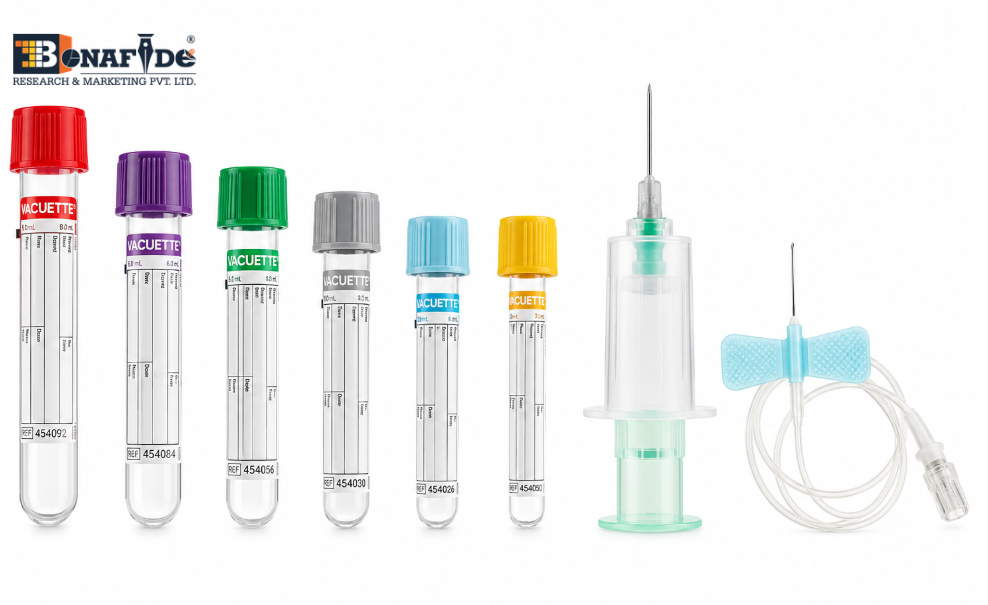
The Global Blood Collection Devices Market is expected to cross USD 13.08 Billion market size by 2031, with 7.14% CAGR by 2026-31, supported by the increasing prevalence of chronic and infectious diseases.
 We are friendly and approachable, give us a call.