

Top Six Companies Global Disposable Syringes Market
Global Disposable Syringes market is projected to reach market size of USD 14.51 Billion by 2030

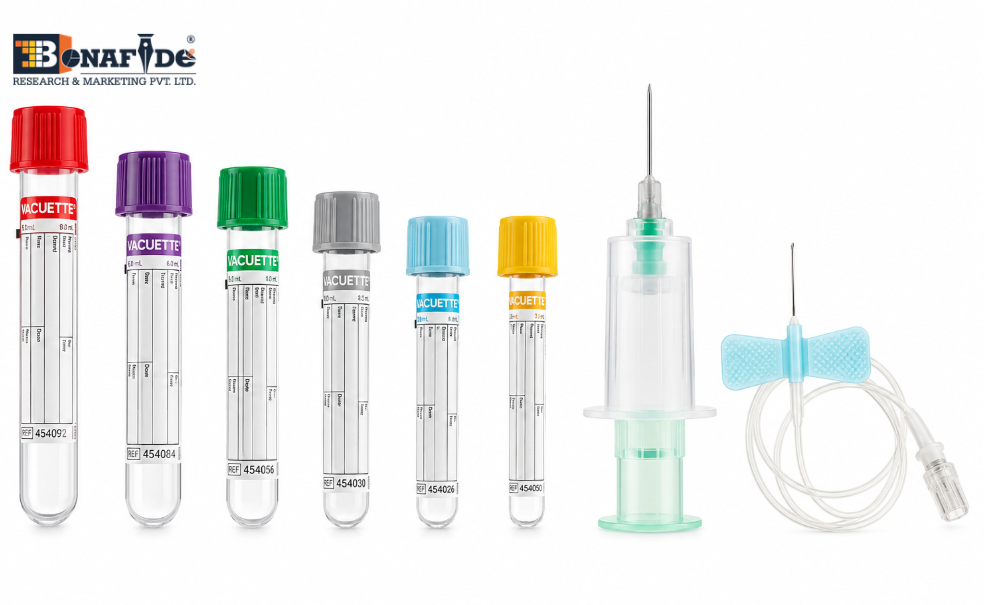
The Global Blood Collection Devices Market is an important segment of the medical devices and diagnostics industry, driven by the widespread use of blood collection products for diagnostic testing, disease monitoring, blood transfusion, and clinical research. Blood collection devices are extensively used in hospitals, diagnostic laboratories, blood banks, clinics, and other healthcare settings for the safe and efficient collection, handling, and transportation of blood samples.
According to Bonafide Research “The Global Blood Collection Devices Market is expected to cross USD 13.08 Billion market size by 2031, with 7.14% CAGR by 2026-31, supported by the increasing prevalence of chronic and infectious diseases, rising demand for diagnostic testing, growing healthcare expenditure, and the expanding use of advanced blood collection technologies. The market is undergoing an important structural shift toward safer, more efficient, and patient-friendly blood collection solutions. Innovations such as vacuum blood collection systems, safety needles, blood collection tubes with advanced additives, capillary blood collection devices, and automated sampling technologies are improving sample quality while reducing the risk of needlestick injuries and contamination.
Why Blood Collection Devices matter in modern healthcare
Blood collection is a fundamental step in modern diagnosis and patient management. Accurate blood samples are required for a wide range of clinical applications, including routine health examinations, hematology, clinical chemistry, immunology, molecular diagnostics, infectious disease testing, and therapeutic drug monitoring. Blood collection devices are particularly important because diagnostic decisions depend heavily on the quality and integrity of collected samples. Reliable collection systems help minimize hemolysis, contamination, sample loss, and patient discomfort while supporting accurate laboratory results.
The growing emphasis on early diagnosis and preventive healthcare is further increasing the number of blood tests performed worldwide. As healthcare systems move toward more personalized and data-driven care, the need for dependable blood collection products continues to expand.
Rising demand for blood testing and diagnostics
The increasing burden of chronic diseases such as diabetes, cardiovascular diseases, kidney disorders, and cancer remains one of the key growth drivers for the global blood collection devices market. Patients with chronic conditions often require repeated blood testing for diagnosis, disease monitoring, and treatment management. In addition, the growing prevalence of infectious diseases and the expansion of routine health screening programs are increasing demand for laboratory testing.
The continued expansion of hospitals, diagnostic laboratories, outpatient clinics, and health screening centers in emerging economies is also creating additional opportunities for manufacturers of blood collection tubes, needles, lancets, syringes, and related products.
The shift toward safer blood collection technologies
One of the most significant trends in the market is the increasing adoption of safety-engineered blood collection devices. Traditional blood collection procedures can expose healthcare professionals to accidental needlestick injuries and potential bloodborne infections. Safety needles, retractable needles, shielded blood collection systems, and other engineered safety products are therefore gaining importance in hospitals and laboratories. Healthcare providers are increasingly prioritizing devices that improve worker safety while maintaining efficient sample collection. This shift is creating opportunities for manufacturers that can provide products combining clinical accuracy, ease of use, patient comfort, and enhanced occupational safety.
Vacuum blood collection systems remain a major opportunity
Vacuum blood collection systems represent an important product category because they enable standardized and efficient blood sample collection. These systems typically include blood collection tubes, needles, holders, and other components designed to collect specific volumes of blood while maintaining sample integrity. The growing number of diagnostic tests and increasing laboratory workloads are supporting demand for standardized blood collection solutions. The use of specialized tubes containing different additives for hematology, coagulation, serum, plasma, and molecular testing is also contributing to product diversification. Manufacturers are increasingly focusing on improved tube materials, additive technologies, labeling, sample identification, and compatibility with automated laboratory systems.
Growing importance of point-of-care and decentralized testing
The expansion of point-of-care testing (POCT) is creating new opportunities for blood collection device manufacturers. Diagnostic testing is increasingly moving beyond centralized laboratories into physicians' offices, emergency departments, pharmacies, community healthcare facilities, and homecare environments. Capillary blood collection devices, lancets, microcollection tubes, and other minimally invasive sampling products are particularly relevant to decentralized testing. These technologies can enable smaller blood volumes to be collected and processed closer to the patient. The growing interest in remote healthcare, home diagnostics, and self-monitoring is expected to further support demand for convenient blood sampling technologies.
Blood banks and transfusion services create sustained demand
Blood collection devices are also essential to blood donation and transfusion services. Blood banks require specialized bags, needles, tubes, and sampling systems to safely collect, process, test, and store donated blood. The continued need for blood and blood components for surgeries, trauma care, cancer treatment, childbirth, and other medical procedures creates a stable demand base for blood collection products. Increasing efforts by governments and healthcare organizations to strengthen blood donation infrastructure and improve blood safety are also supporting the adoption of standardized collection and sampling technologies.
Technological innovation improves sample quality and efficiency
Technology is playing an increasingly important role in the evolution of blood collection devices. Manufacturers are developing products designed to reduce patient discomfort, improve sample quality, simplify collection procedures, and minimize pre-analytical errors. Innovations in needle design, tube additives, micro-sampling, automated sample handling, and digital sample identification are helping healthcare providers improve laboratory workflow. The integration of blood collection systems with laboratory information systems and automated diagnostic platforms is also increasing the importance of standardized and traceable sample collection.
Hospitals remain the core end user
Hospitals represent one of the most important end-user segments for blood collection devices because blood sampling is required across emergency care, inpatient treatment, surgery, intensive care, outpatient services, and routine diagnostics. The hospital segment benefits from the high volume of blood tests performed for diagnosis and patient monitoring. At the same time, demand is expanding across diagnostic laboratories, blood banks, specialty clinics, ambulatory care centers, research institutions, and homecare settings. As healthcare delivery becomes increasingly decentralized, manufacturers are expected to focus not only on high-volume hospital applications but also on portable, minimally invasive, and easy-to-use blood collection solutions for outpatient and home-based testing.
See how you can up your career status
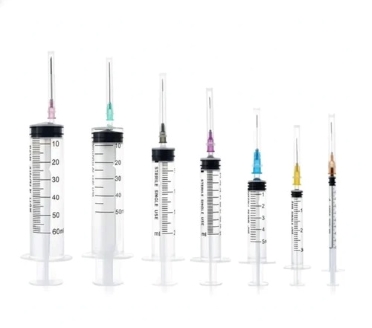
Global Disposable Syringes market is projected to reach market size of USD 14.51 Billion by 2030
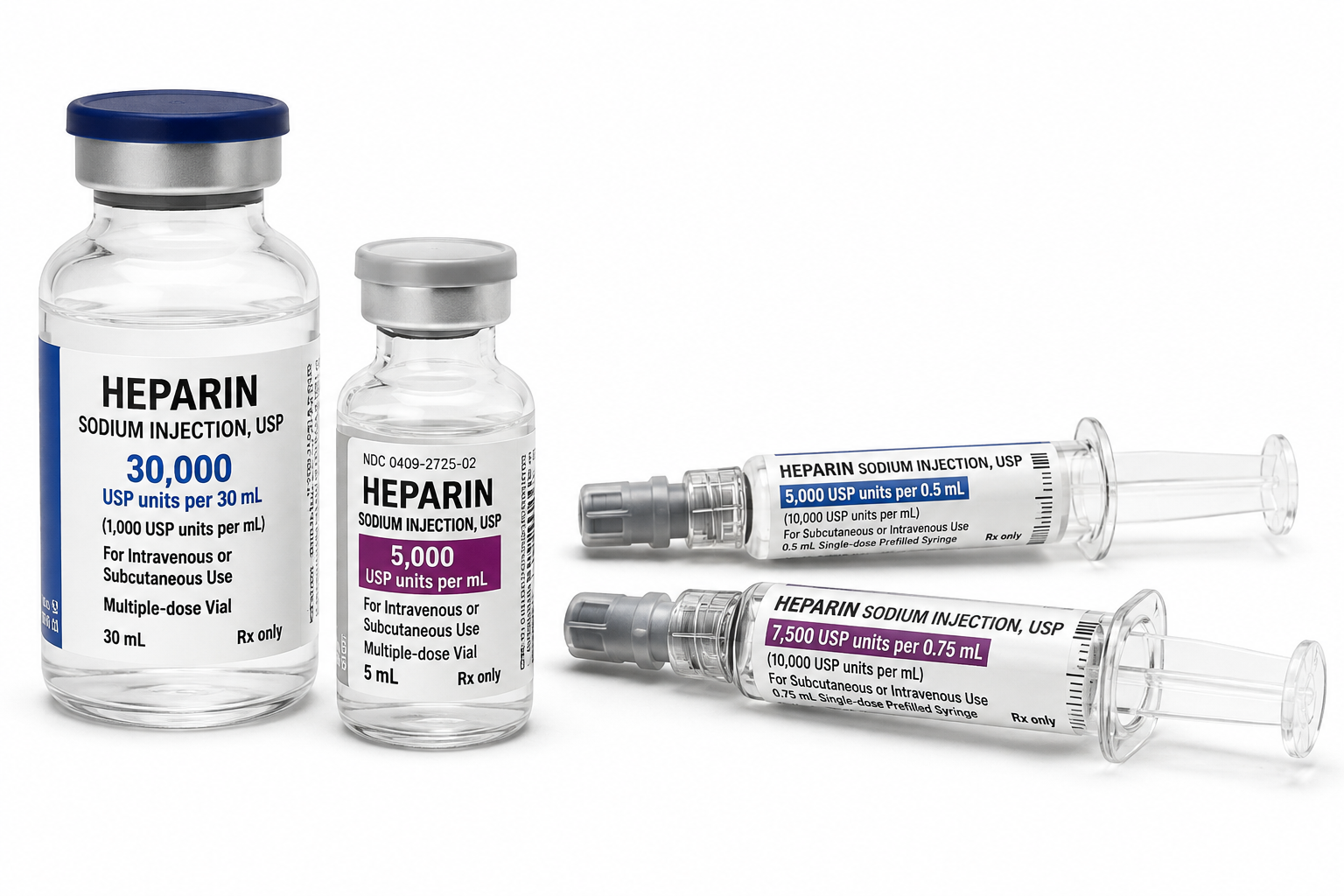
Heparin market growth accelerates with increasing demand for advanced anticoagulation solutions
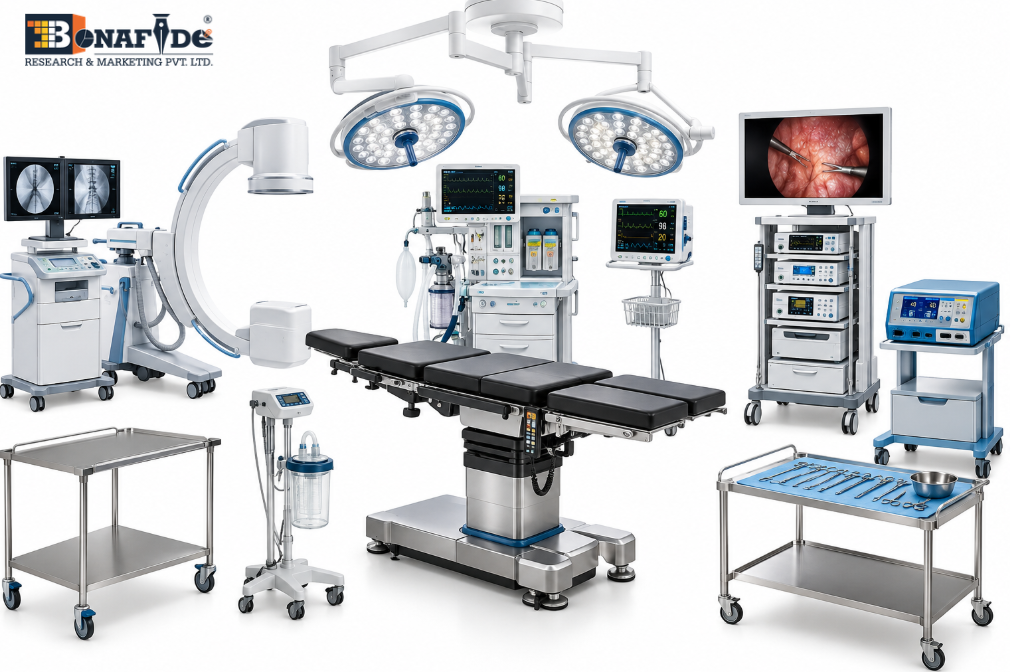
Operating room equipment market surge powered by aging global demographics and chronic disease burden.
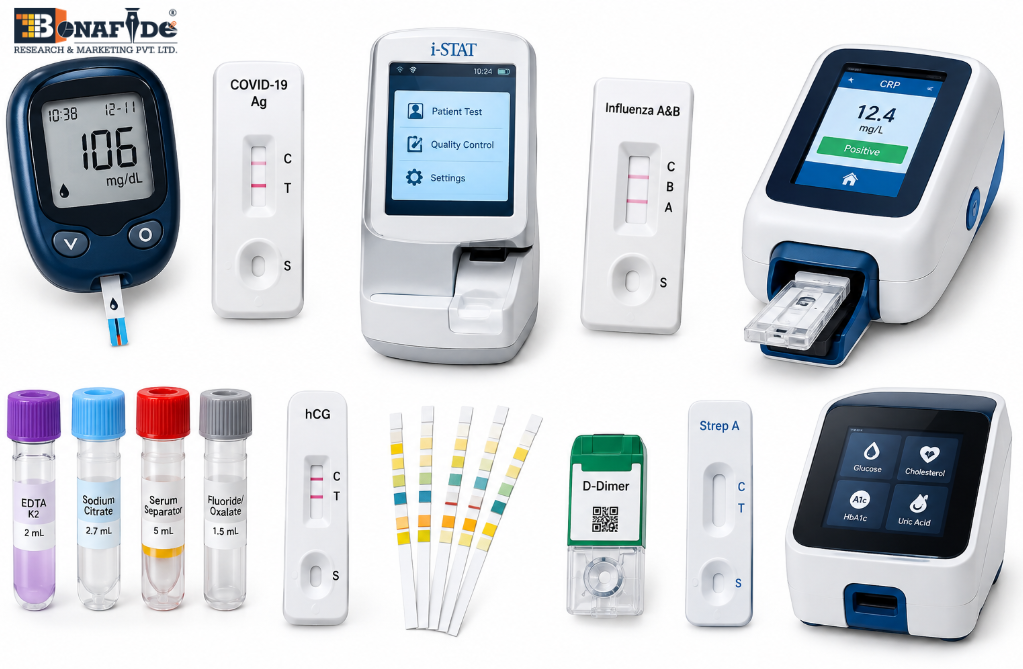
The Global Point-of-Care (POC) Diagnostics Market is expected to cross 76.46 Billion market size by 2031, with 8.01% CAGR by 2026-31.
 We are friendly and approachable, give us a call.