

Feminine Hygiene Unveiled: Empowering Choices for Women
Delve into the world of feminine hygiene products, empowering women to make informed choices. From sustainability to innovation, discover the latest trends in feminine care.

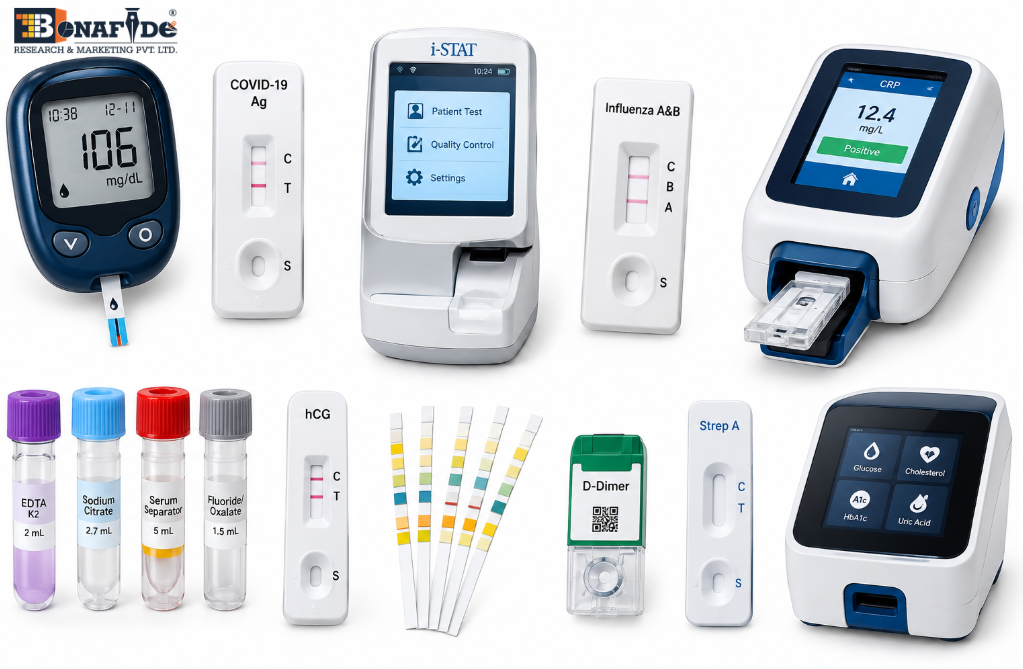
The Global Point-of-Care Diagnostics Market is an important segment of the healthcare and medical diagnostics industry, driven by the increasing demand for rapid disease detection, growing emphasis on decentralized healthcare, rising prevalence of chronic and infectious diseases, expansion of healthcare infrastructure, and increasing adoption of portable and digital diagnostic technologies. Point-of-care diagnostics (POCD) enable diagnostic testing to be performed close to the patient, including hospitals, clinics, physician offices, emergency departments, ambulatory care centers, pharmacies, laboratories, and home-care settings. These technologies provide healthcare professionals with faster access to diagnostic information, supporting timely clinical decision-making and treatment.
According to Bonafide research, the Global Point-of-Care (POC) Diagnostics Market is expected to cross 76.46 Billion market size by 2031, with 8.01% CAGR by 2026-31, supported by increasing healthcare expenditure, technological advancements in diagnostic platforms, growing demand for rapid testing, and the expansion of decentralized healthcare delivery models. North America and Europe remain important markets due to established healthcare systems, high adoption of advanced diagnostic technologies, and strong demand for rapid testing solutions, while Asia-Pacific is expected to experience significant growth as healthcare infrastructure expands, diagnostic access improves, and investments in decentralized and community-based healthcare increase.
The market is undergoing an important technological transition toward rapid, portable, automated, connected, and digitally integrated diagnostic solutions. Innovations in molecular diagnostics, immunoassays, blood glucose monitoring, infectious disease testing, cardiac biomarkers, coagulation testing, hematology, and other near-patient testing applications are helping healthcare providers obtain diagnostic results more quickly and efficiently. Integration with smartphones, cloud platforms, electronic health records, artificial intelligence, and remote healthcare systems is further expanding the capabilities of point-of-care diagnostic technologies.
Why Point-of-Care Diagnostics Matters in Modern Healthcare
Point-of-care diagnostics represents an important component of modern healthcare delivery because it enables diagnostic testing to be performed closer to the patient and can reduce the time between sample collection, testing, and clinical decision-making. Traditional laboratory testing may require transportation of samples to centralized laboratories and additional processing time, whereas point-of-care systems can provide results within minutes or a relatively short period depending on the test.
Rapid access to diagnostic information can support healthcare professionals in making timely decisions related to treatment, patient monitoring, triage, and referral. Point-of-care diagnostics is particularly valuable in emergency care, primary care, infectious disease management, chronic disease monitoring, and settings where access to centralized laboratory infrastructure may be limited.
The growing complexity of healthcare delivery is also increasing demand for diagnostic platforms that combine accuracy, ease of use, portability, automation, connectivity, and rapid turnaround times. Healthcare providers are increasingly seeking systems that require minimal sample preparation, provide standardized results, reduce operator dependency, and integrate easily with digital healthcare infrastructure.
Rising Focus on Rapid and Decentralized Diagnostics
The increasing emphasis on rapid diagnosis and decentralized healthcare delivery is one of the major factors supporting the growth of the point-of-care diagnostics market. Healthcare systems are increasingly seeking ways to reduce diagnostic turnaround times and provide testing closer to patients.
Point-of-care testing can be particularly useful in emergency departments, intensive care units, outpatient clinics, physician offices, pharmacies, and community healthcare settings where rapid diagnostic information can influence immediate clinical decisions.
The expansion of decentralized healthcare is also increasing demand for portable diagnostic devices that can be deployed outside conventional laboratory environments. This includes rural healthcare facilities, mobile clinics, community health centers, pharmacies, and home-care settings.
The growing awareness of early disease detection is further supporting demand for rapid diagnostic technologies. Earlier identification of infectious diseases, cardiovascular conditions, diabetes, and other health conditions can support appropriate clinical management and patient monitoring.
Increasing Prevalence of Chronic and Infectious Diseases
The increasing global burden of chronic and infectious diseases is creating sustained demand for diagnostic testing. Conditions such as diabetes, cardiovascular disease, respiratory disorders, kidney disease, and other chronic conditions require regular testing and monitoring throughout the patient care journey.
Point-of-care technologies enable healthcare providers and patients to monitor important biomarkers without relying exclusively on centralized laboratory facilities. Blood glucose monitoring is one of the most established examples, while newer platforms are expanding into areas such as cardiac biomarkers, coagulation, infectious diseases, and molecular testing.
At the same time, infectious disease outbreaks continue to highlight the importance of rapid diagnostic capabilities. Point-of-care molecular and antigen-based tests can support faster identification of infectious diseases in hospitals, clinics, pharmacies, airports, community settings, and other locations.
The increasing demand for rapid infectious disease testing is encouraging manufacturers to develop platforms capable of detecting multiple pathogens or biomarkers from small patient samples while maintaining ease of use and short turnaround times.
Molecular Diagnostics Gain Importance
Molecular diagnostics is becoming an increasingly important technology segment within the point-of-care diagnostics market. Molecular point-of-care systems can detect specific genetic or molecular markers associated with infectious diseases and other medical conditions.
Advances in nucleic acid amplification technologies are helping manufacturers develop smaller, faster, and more automated molecular diagnostic platforms. These systems can reduce the complexity traditionally associated with molecular testing and make advanced diagnostic capabilities more accessible outside centralized laboratories.
Point-of-care molecular diagnostics is increasingly being used for applications such as:
The development of multiplex testing platforms is also creating opportunities for systems capable of identifying multiple pathogens or targets from a single patient sample.
Growing Adoption of Digital and Connected Diagnostics
Digital connectivity is becoming an increasingly important component of point-of-care diagnostics. Modern diagnostic devices are increasingly being designed with connectivity features that allow test results to be transferred electronically to healthcare information systems, electronic medical records, laboratory systems, or cloud-based platforms.
Connected point-of-care systems can help healthcare providers improve data management, test-result documentation, quality control, and patient monitoring. Integration with digital healthcare platforms can also reduce manual data entry and support more efficient clinical workflows.
Future point-of-care diagnostic ecosystems are expected to become increasingly connected, with greater interoperability among:
This transition is creating opportunities for diagnostic companies that can combine testing technologies with connectivity, automation, data analytics, and digital healthcare capabilities.
Artificial Intelligence and Automation Transform Point-of-Care Testing
Artificial intelligence and automation are increasingly influencing the development of point-of-care diagnostic technologies. Automated sample handling, reagent management, result interpretation, quality control, and data transmission can simplify diagnostic workflows and reduce the potential for manual errors.
AI-based technologies can also support image interpretation and pattern recognition in applications such as digital microscopy, pathology-related testing, and certain diagnostic imaging workflows. As computational capabilities become increasingly integrated into portable diagnostic platforms, point-of-care systems may provide more advanced analytical capabilities outside centralized laboratories.
Automation is particularly important in environments where healthcare professionals have limited time or specialized laboratory expertise. User-friendly systems with automated workflows can make advanced testing more accessible across primary care, emergency care, pharmacies, and community healthcare settings.
Expansion of Point-of-Care Testing in Hospitals and Emergency Care
Hospitals remain one of the major end-user segments for point-of-care diagnostics. Emergency departments, intensive care units, operating rooms, and other hospital departments require rapid access to diagnostic information to support time-sensitive clinical decisions.
Point-of-care testing can provide healthcare professionals with near-immediate information on parameters such as blood gases, electrolytes, glucose, cardiac biomarkers, coagulation, infectious diseases, and other clinical indicators.
The increasing emphasis on reducing hospital turnaround times and improving workflow efficiency is encouraging hospitals to expand point-of-care testing capabilities. Hospitals are also increasingly integrating point-of-care devices with centralized data management and quality-control systems to maintain consistency and regulatory compliance.
See how you can up your career status

Delve into the world of feminine hygiene products, empowering women to make informed choices. From sustainability to innovation, discover the latest trends in feminine care.
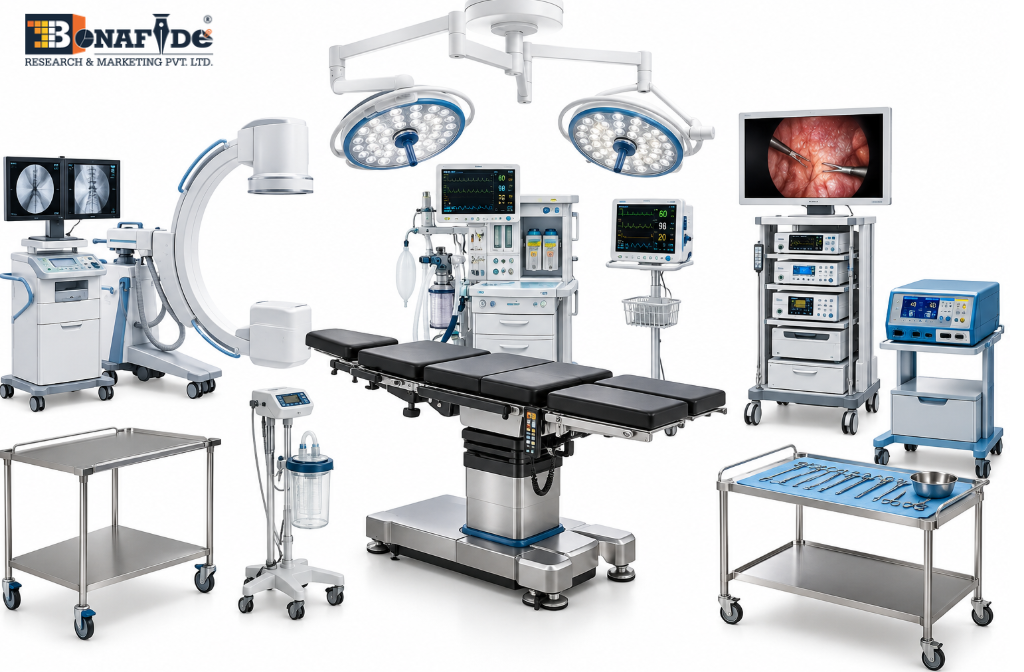
Operating room equipment market surge powered by aging global demographics and chronic disease burden.

The global long-term care market was valued at more than USD 1247 billion in 2025 and is expected to reach USD 1,768 billion by 2031, growing at a CAGR of 6.12% from 2026 to 2031

The global ambulatory EHR market was valued at more than USD 7.19 billion in 2025 and is expected to reach more than USD 10.65 billion by 2031, growing at a CAGR of 6.93% from 2026 to 2031.
 We are friendly and approachable, give us a call.