

Top Companies Global Ophthalmic Equipment Market
Global Ophthalmic Equipment Market Outlook, 2030 is projected to reach market size of USD 68.42 Billion by 2030

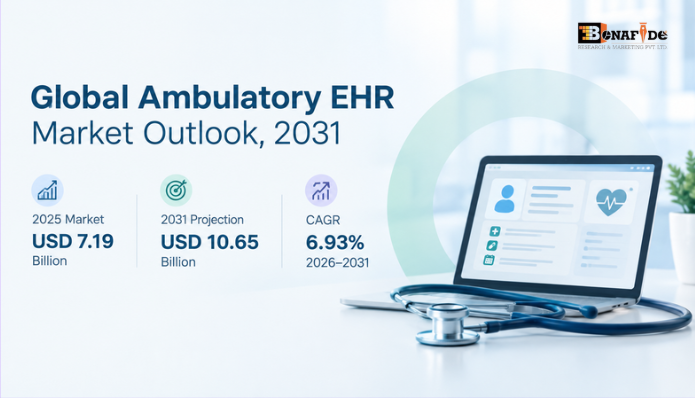
The global healthcare industry is experiencing an unprecedented digital revolution, and ambulatory electronic health records have emerged as the central nervous system of this transformation. As healthcare systems worldwide abandon paper-based records in favour of integrated digital platforms, ambulatory EHRs have become indispensable tools for delivering efficient, coordinated, and patient-centred outpatient care.
Understanding the Ambulatory EHR Landscape
An ambulatory EHR is a specialised software platform designed for outpatient and ambulatory care settings, including primary care clinics, specialty practices, community health centres, urgent care centres, and hospital-owned ambulatory facilities. Unlike inpatient EHRs built for hospital environments, ambulatory EHRs focus on the distinct workflows of outpatient care, encompassing appointment scheduling, patient registration, clinical documentation, e-prescribing, referral management, and population health management.
The market covers electronic health record software platforms and associated modules used by healthcare providers to document, manage, store, retrieve, exchange, and analyse patient information in ambulatory care settings. It includes core clinical documentation, patient records, computerised provider order entry, e-prescribing, laboratory and diagnostic integration, clinical decision support, interoperability, patient engagement, and selected practice-management and population-health capabilities when integrated with or directly monetised as part of the ambulatory EHR platform.
Market Size and Growth Dynamics
The global ambulatory EHR market is witnessing robust growth as healthcare systems prioritise digital health infrastructure, regulatory compliance, and value-based care delivery. According to the research report "Global Ambulatory EHR Market Outlook, 2031," published by Bonafide Research, the global ambulatory EHR market was valued at more than USD 7.19 billion in 2025 and is expected to reach more than USD 10.65 billion by 2031, growing at a CAGR of 6.93% from 2026 to 2031.
This growth is driven by regulatory mandates for interoperability, the global shift toward value-based care models, increasing adoption of cloud-based solutions, and the rising burden of chronic diseases requiring coordinated outpatient management. The aging population across developed and emerging markets is further intensifying demand for efficient, interoperable ambulatory care systems.
Cloud-Based Solutions Dominate the Delivery Mode Landscape
Among delivery modes, cloud-based and SaaS solutions represent the largest and fastest-growing segment, accounting for approximately 69% of adopted providers. Cloud-based EHR software is delivered over the internet on a subscription basis, with the vendor hosting and managing the application and data on cloud infrastructure. The shift toward cloud-based delivery is driven by lower upfront costs, predictable subscription pricing, remote accessibility, and automated upgrades.
On-premise deployments remain significant among large practices, health-system affiliated physician groups, and hospital-owned ambulatory centres that require integration with inpatient EHR systems. Hybrid deployment models, which combine cloud-based and on-premise components, are most common among mid-sized practices that require on-premise data residency for certain functions while leveraging cloud-based modules for analytics and patient engagement.
Application and End-User Insights
Practice Management and Patient Management together represent the largest application segments, accounting for over 55% of revenue. Practice Management includes appointment scheduling, patient registration, eligibility verification, charge capture, coding, and billing workflows. Patient Management represents the foundational clinical record-keeping layer present in nearly all EHR deployments.
Health Analytics is the fastest-growing application segment, driven by value-based care requirements and quality reporting obligations. Population Health Management and Decision Support are also growing rapidly as governments invest in chronic disease management and preventive care.
Hospital-owned ambulatory centres represent the largest end-user segment by revenue, accounting for approximately 55% of global spending. These facilities typically operate enterprise-grade EHR platforms that integrate with inpatient systems, driving higher average revenue per provider. Independent ambulatory centres and health-system affiliated physician groups represent significant and growing segments, while urgent care centres and community health centres represent the fastest-growing end-user segment.
Regional Insights: North America Leads, Asia Pacific Accelerates
North America represents the largest regional market, accounting for approximately 47.6% of global spending. The United States dominates, supported by its large ambulatory provider base, advanced health IT ecosystem, and regulatory mandates under the 21st Century Cures Act and CMS Promoting Interoperability programs. Canada contributes a well-developed market characterised by universal healthcare coverage and strong provincial e-health strategies.
Europe represents the second-largest regional market, with Germany, the United Kingdom, France, Italy, and Spain as the principal national markets. Germany dominates the European market, supported by the gematik national digital health infrastructure. The United Kingdom follows, driven by near-universal EHR adoption among general practitioners and the NHS's digital transformation agenda.
Asia Pacific is the fastest-growing regional market, driven by government-led digital health initiatives and rapid healthcare infrastructure expansion. China is the largest APAC market, supported by the National Health Information Platform. India is the fastest-growing market, driven by the Ayushman Bharat Digital Mission. Japan, Australia, South Korea, and Southeast Asian countries represent significant and diverse markets.
South America accounts for a growing share, with Brazil dominating through the RNDS national health data interoperability platform. The Middle East & Africa accounts for a developing share, with Saudi Arabia dominating through the Vision 2030 Health Sector Transformation Programme and the NPHIES platform.
Drivers, Challenges, and Future Outlook
Regulatory mandates and national digital health strategies represent the primary growth driver. Governments worldwide are implementing frameworks that require certified EHR platforms, interoperability, and patient access to health data. Cloud migration and digital transformation are reshaping the market, with cloud-based delivery becoming the default choice for new EHR implementations. The integration of artificial intelligence into clinical documentation is gaining momentum, reducing physician documentation burden and improving coding accuracy.
Despite strong growth prospects, the market faces challenges. Interoperability gaps across disparate EHR systems remain a persistent issue. Implementation and customisation costs remain substantial barriers for small and solo practices. Data protection requirements create compliance obligations that can be complex for small practices.
The global ambulatory EHR market is expected to maintain strong growth through 2031 as healthcare systems continue prioritising digital health solutions. Increasing adoption of AI-enabled clinical documentation, expansion of cloud-based EHR platforms, and integration with national health information exchange platforms will continue transforming the landscape. As the global burden of chronic diseases continues rising, ambulatory EHR solutions will remain a critical component of healthcare delivery worldwide.
See how you can up your career status

Global Ophthalmic Equipment Market Outlook, 2030 is projected to reach market size of USD 68.42 Billion by 2030

Global MedTech Market Outlook, 2030 is projected to reach market size of USD 1018.30 Billion by 2030
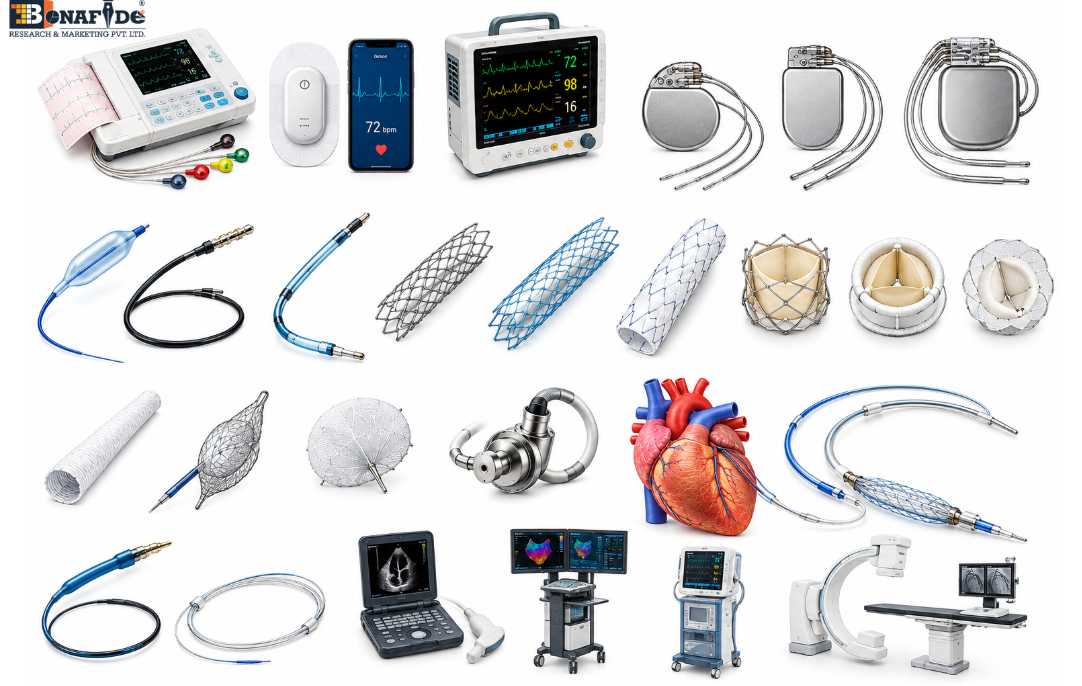
The Global Cardiovascular Devices Market is expected to cross 110.33 Billion market size by 2031, with 8.07% CAGR by 2026-31.

Global Inhalation Devices Market is expected to cross 41.79 billion market size by 2031, with 6.71% CAGR by 2026-31.
 We are friendly and approachable, give us a call.