

Top Six Companies Global Dental Consumables Market
Global Dental Consumables Market Outlook, 2030 is projected to reach market size of USD 60.49 Billion by 2030.

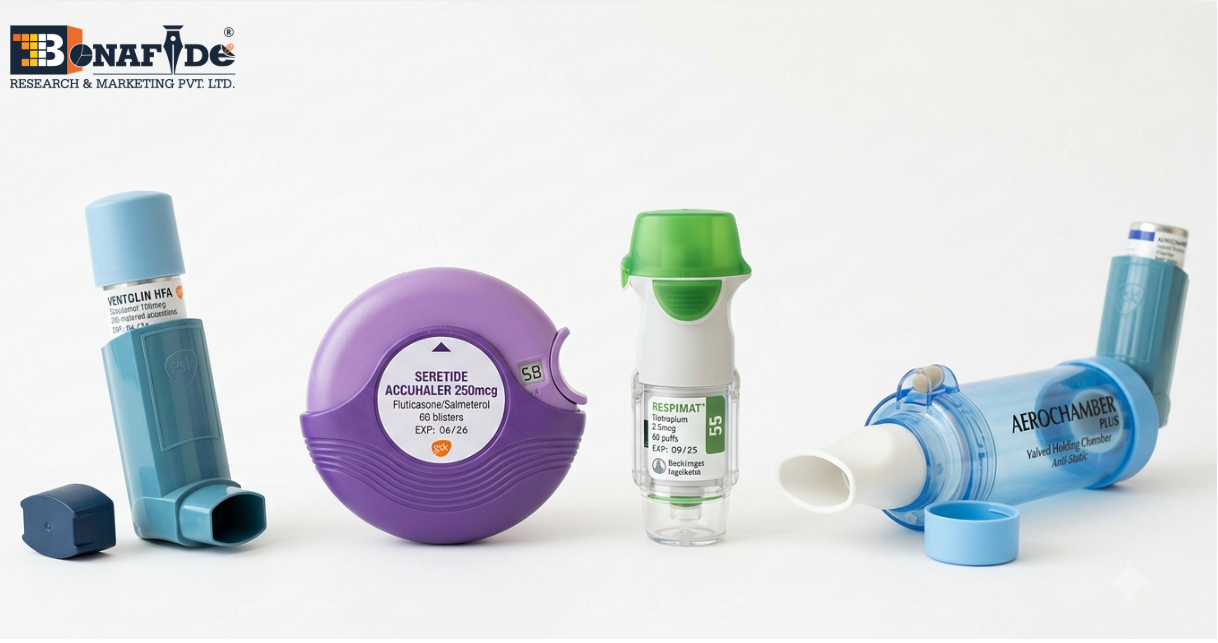
The Global Inhalation Devices Market is an important segment of the healthcare and medical devices industry, driven by the increasing prevalence of respiratory diseases, growing demand for effective drug delivery solutions, rising awareness of respiratory health, expansion of healthcare infrastructure, and increasing adoption of advanced inhalation technologies. Inhalation devices enable medications to be delivered directly into the respiratory tract, supporting the treatment and management of conditions such as asthma, chronic obstructive pulmonary disease (COPD), cystic fibrosis, and other respiratory disorders. These devices are widely used across hospitals, clinics, physician offices, emergency care facilities, and home-care settings, providing patients with convenient and targeted medication delivery.
According to market research reports, Global Inhalation Devices Market is expected to cross 41.79 Billion market size by 2031, with 6.71% CAGR by 2026-31, supported by the rising burden of chronic respiratory diseases, technological advancements in drug delivery systems, increasing demand for portable medical devices, and growing preference for home-based respiratory care. North America and Europe remain important markets due to established healthcare systems, high awareness of respiratory conditions, and strong adoption of advanced inhalation therapies, while Asia-Pacific is expected to offer significant growth opportunities as healthcare infrastructure expands, respiratory disease diagnosis improves, and access to inhalation treatments increases.
The market is undergoing an important technological transition toward portable, efficient, patient-friendly, and digitally connected inhalation systems. Innovations in metered-dose inhalers, dry powder inhalers, soft mist inhalers, and nebulizers are helping improve medication delivery, ease of use, and patient adherence. Developments in breath-actuated mechanisms, dose counters, smart inhalers, formulation technologies, and connected monitoring solutions are further expanding the capabilities of modern inhalation devices. These advancements are supporting more personalized respiratory care and improving the management of chronic respiratory conditions.
Why Inhalation Devices Matter in Modern Healthcare
Inhalation devices represent an important component of modern respiratory care because they deliver medication directly to the lungs, allowing targeted treatment of respiratory conditions. Compared with certain systemic drug delivery approaches, inhaled medications can provide localized therapeutic effects and may reduce systemic exposure, depending on the medication and formulation.
These devices play a critical role in managing asthma, COPD, and other respiratory disorders by helping patients receive prescribed bronchodilators, corticosteroids, and other inhaled medications. The effectiveness of inhalation therapy depends on factors such as device selection, formulation characteristics, inhalation technique, patient adherence, and the ability of the device to deliver the prescribed dose to the intended area of the respiratory tract.
The growing complexity of respiratory care is increasing demand for inhalation devices that combine efficient drug delivery, portability, ease of operation, dose accuracy, and patient comfort. Manufacturers are increasingly focusing on ergonomic designs, improved aerosol generation, simplified operating mechanisms, and features that help patients use their devices correctly.
Rising Focus on Respiratory Disease Management and Home-Based Care
The increasing emphasis on long-term respiratory disease management and home-based healthcare is one of the major factors supporting the growth of the inhalation devices market. Chronic respiratory conditions frequently require ongoing medication, regular monitoring, and consistent treatment adherence. Inhalation devices allow patients to administer prescribed respiratory medications at home, reducing the need for frequent visits to healthcare facilities solely for routine medication administration. Portable inhalers are particularly important for patients who require regular treatment throughout the day, while nebulizers can provide an alternative delivery method for selected patients who have difficulty using certain inhaler types.
The expansion of home healthcare services is also increasing demand for user-friendly respiratory devices that can be operated with minimal assistance. This trend is particularly relevant for older adults, pediatric patients, and individuals with chronic respiratory diseases who may require long-term treatment. Growing awareness of early diagnosis and appropriate management of respiratory conditions is further supporting demand for inhalation therapies. Healthcare providers are placing greater emphasis on selecting suitable devices, educating patients about correct inhalation techniques, and improving adherence to prescribed treatment plans.
Increasing Prevalence of Chronic Respiratory Diseases
The increasing global burden of chronic respiratory diseases is creating sustained demand for inhalation devices. Conditions such as asthma and COPD require long-term disease management, and inhaled medications remain an important treatment approach for many patients. Air pollution, tobacco smoke exposure, occupational hazards, allergens, population aging, and other environmental and lifestyle factors can contribute to respiratory disease burden. As healthcare systems focus on improving disease detection and management, demand for inhalation devices is expected to remain important across both developed and emerging markets.
Metered-dose inhalers and dry powder inhalers are widely used for administering prescribed respiratory medications, while nebulizers provide an alternative delivery approach for selected clinical situations. The choice of device depends on the patient's condition, inhalation ability, medication requirements, age, and healthcare professional recommendations. The increasing demand for long-term respiratory treatment is encouraging manufacturers to develop devices that improve usability, dose consistency, portability, and patient adherence. Device innovations that help simplify inhalation techniques and reduce medication wastage may further support market development.
Technological Advancements in Inhalation Devices Gain Importance
Technological innovation is becoming an increasingly important factor in the inhalation devices market. Manufacturers are developing improved delivery mechanisms, more efficient aerosol generation systems, and patient-friendly designs to enhance treatment convenience and support effective medication administration. Advances in inhalation technologies are helping improve the usability and performance of different device categories, including: Metered-dose inhalers (MDIs), Dry powder inhalers (DPIs), Soft mist inhalers, Nebulizers, Breath-actuated inhalers, Smart and connected inhalers.
Metered-dose inhalers are being developed with improved actuation mechanisms and dose-monitoring features, while dry powder inhalers are evolving through innovations in powder formulation, airflow resistance, and device design. Nebulizer technologies are also advancing through the development of compact, portable, and efficient systems designed for different patient needs. These developments are creating opportunities for manufacturers to differentiate their products through better usability, reliable medication delivery, reduced device complexity, and improved patient experience.
Growing Adoption of Smart and Connected Inhalation Devices
Digital connectivity is becoming an increasingly important component of the inhalation devices market. Smart inhalers and connected respiratory care solutions can incorporate sensors, electronic dose counters, mobile applications, and digital monitoring features to help patients and healthcare professionals track inhaler usage. Connected inhalation devices may record information such as the time of inhaler use, medication adherence patterns, and certain aspects of inhalation technique, depending on the technology. These data can help healthcare professionals identify potential adherence challenges and support more informed discussions about respiratory disease management. The development of connected respiratory care ecosystems may help improve treatment tracking and patient engagement. However, the clinical benefits depend on device functionality, data quality, patient participation, and integration into appropriate healthcare workflows.
Artificial Intelligence and Digital Technologies Transform Respiratory Care
Artificial intelligence and digital technologies are increasingly influencing the development of respiratory monitoring and inhalation device ecosystems. Connected devices can generate usage data that may help healthcare professionals assess medication adherence and identify patterns that require further clinical evaluation. Digital platforms can also support patient education by providing reminders, inhaler-use instructions, and feedback on selected aspects of device technique where suitable sensors are available. When combined with clinical assessment, these tools may help healthcare providers identify patients who need additional guidance or a review of their respiratory treatment plan.
Automation and intelligent monitoring features are particularly relevant for patients who require long-term respiratory management. Simple interfaces, clear dose indicators, and digital reminders can support device usability and help reduce some of the practical challenges associated with consistent treatment. As digital respiratory care continues to develop, manufacturers may increasingly focus on integrating inhalation devices with connected monitoring solutions, data analytics, and personalized patient support systems. The adoption of these technologies will depend on affordability, usability, data privacy, regulatory requirements, and evidence of clinical value.
Expansion of Inhalation Devices in Hospitals and Clinical Care
Hospitals and other healthcare facilities remain important end users in the inhalation devices market. Emergency departments, intensive care units, respiratory care departments, and outpatient clinics use inhalation technologies to administer prescribed medications and support the management of respiratory conditions. Nebulizers are used in selected clinical situations when aerosolized medication delivery is appropriate, while inhalers are commonly used for routine management of asthma and COPD. The selection of a delivery system depends on the patient's clinical condition, ability to use the device, medication characteristics, and treatment requirements.
The growing focus on respiratory disease management and efficient healthcare delivery is encouraging hospitals to adopt devices that are reliable, easy to operate, and suitable for different patient populations. Healthcare professionals also emphasize appropriate patient education, device maintenance, infection prevention, and correct inhalation techniques to support safe and effective treatment. Hospitals are increasingly coordinating respiratory care with outpatient and home-care services to support continuity of treatment after discharge. This creates additional opportunities for portable inhalation devices and patient-friendly delivery systems that can be used across different healthcare settings.
Growing Demand for Portable Nebulizers and Patient-Friendly Inhalers
The demand for portable and convenient respiratory treatment solutions is creating opportunities across the inhalation devices market. Traditional nebulizers can be useful for selected patients and clinical situations, but their size, maintenance requirements, and operating time may limit convenience in some settings. Portable mesh and other compact nebulizer technologies are helping address certain usability challenges by offering smaller designs and convenient operation. Their suitability depends on the prescribed medication, device compatibility, patient requirements, and manufacturer instructions.
At the same time, manufacturers are improving inhaler ergonomics, dose indicators, actuation systems, and other features to make devices easier to use. Patient-friendly designs are particularly important for children, older adults, and individuals who may experience difficulty coordinating inhalation with device actuation. The continued development of compact, efficient, and easy-to-use inhalation systems is expected to support demand across hospitals, outpatient care, and home healthcare. These innovations also reinforce the importance of matching the inhalation device to the patient's needs and ensuring appropriate training from healthcare professionals.
Sustainability and Environmental Considerations in the Inhalation Devices Market
Environmental sustainability is becoming an important consideration for inhalation device manufacturers, particularly in the development of metered-dose inhalers that use propellants. Some conventional inhalers contain hydrofluoroalkane propellants, which have a climate impact, encouraging manufacturers and healthcare stakeholders to explore alternatives with lower global warming potential. Dry powder inhalers and certain other delivery technologies may offer different environmental profiles, although their overall impact depends on manufacturing, materials, medication formulations, transportation, and disposal. Device selection must continue to prioritize clinical suitability, treatment effectiveness, patient preference, and correct usage.
Manufacturers are increasingly exploring lower-impact propellants, improved material efficiency, recyclable components where feasible, and approaches to reduce manufacturing waste. These initiatives are contributing to the evolution of inhalation device design while highlighting the need to balance environmental objectives with patient safety and treatment continuity.
Future Outlook of the Global Inhalation Devices Market
The Global Inhalation Devices Market is expected to continue evolving as respiratory disease management becomes increasingly important across healthcare systems. Rising demand for long-term respiratory treatment, expanding home healthcare, technological advancements, and growing interest in connected medical devices are expected to create opportunities for manufacturers. Future market development is likely to be influenced by improvements in drug delivery efficiency, increased adoption of patient-friendly inhalers, advances in portable nebulizers, and the integration of digital adherence monitoring. Sustainability initiatives and the development of alternative propellant technologies may also influence product innovation and competitive strategies.
Emerging markets are expected to provide opportunities as respiratory disease awareness improves and healthcare access expands. At the same time, manufacturers will need to address affordability, patient training, device compatibility, regulatory compliance, and differences in healthcare infrastructure across regions.
See how you can up your career status

Global Dental Consumables Market Outlook, 2030 is projected to reach market size of USD 60.49 Billion by 2030.
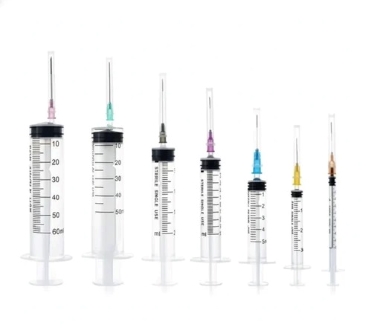
Global Disposable Syringes market is projected to reach market size of USD 14.51 Billion by 2030

Global Diabetes Management Supplements Market Outlook, 2030 was valued at more than USD 7.82 Billion in 2024, and expected to reach a market size of more than USD 12.60 Billion by 2030.
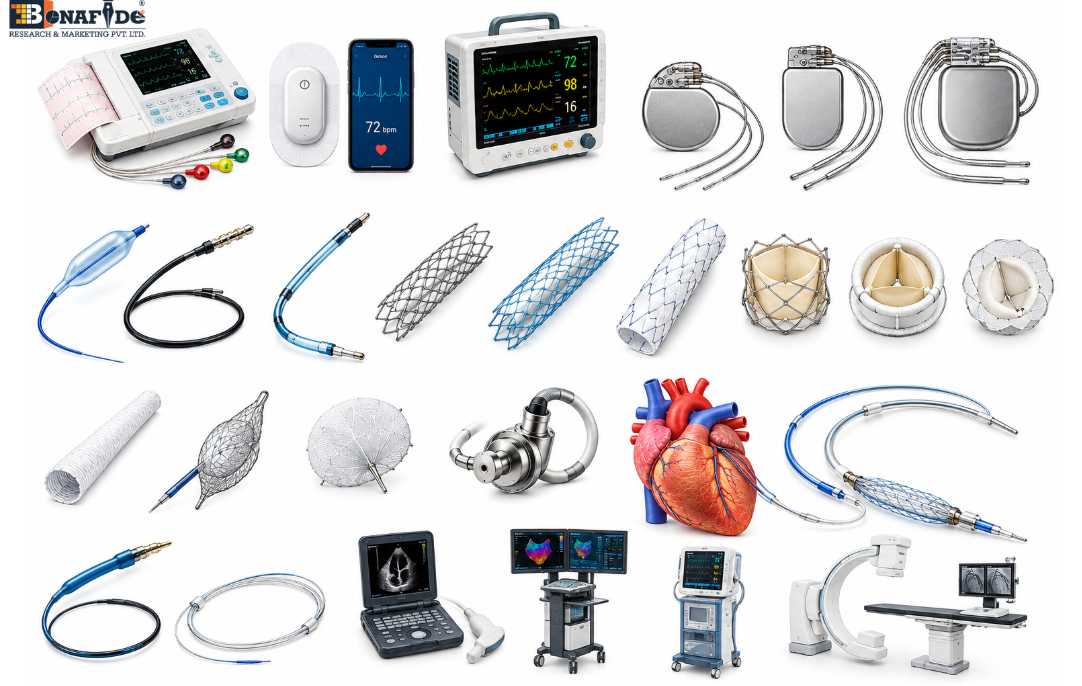
The Global Cardiovascular Devices Market is expected to cross 110.33 Billion market size by 2031, with 8.07% CAGR by 2026-31.
 We are friendly and approachable, give us a call.