

Top Six Companies Global Dental Consumables Market
Global Dental Consumables Market Outlook, 2030 is projected to reach market size of USD 60.49 Billion by 2030.

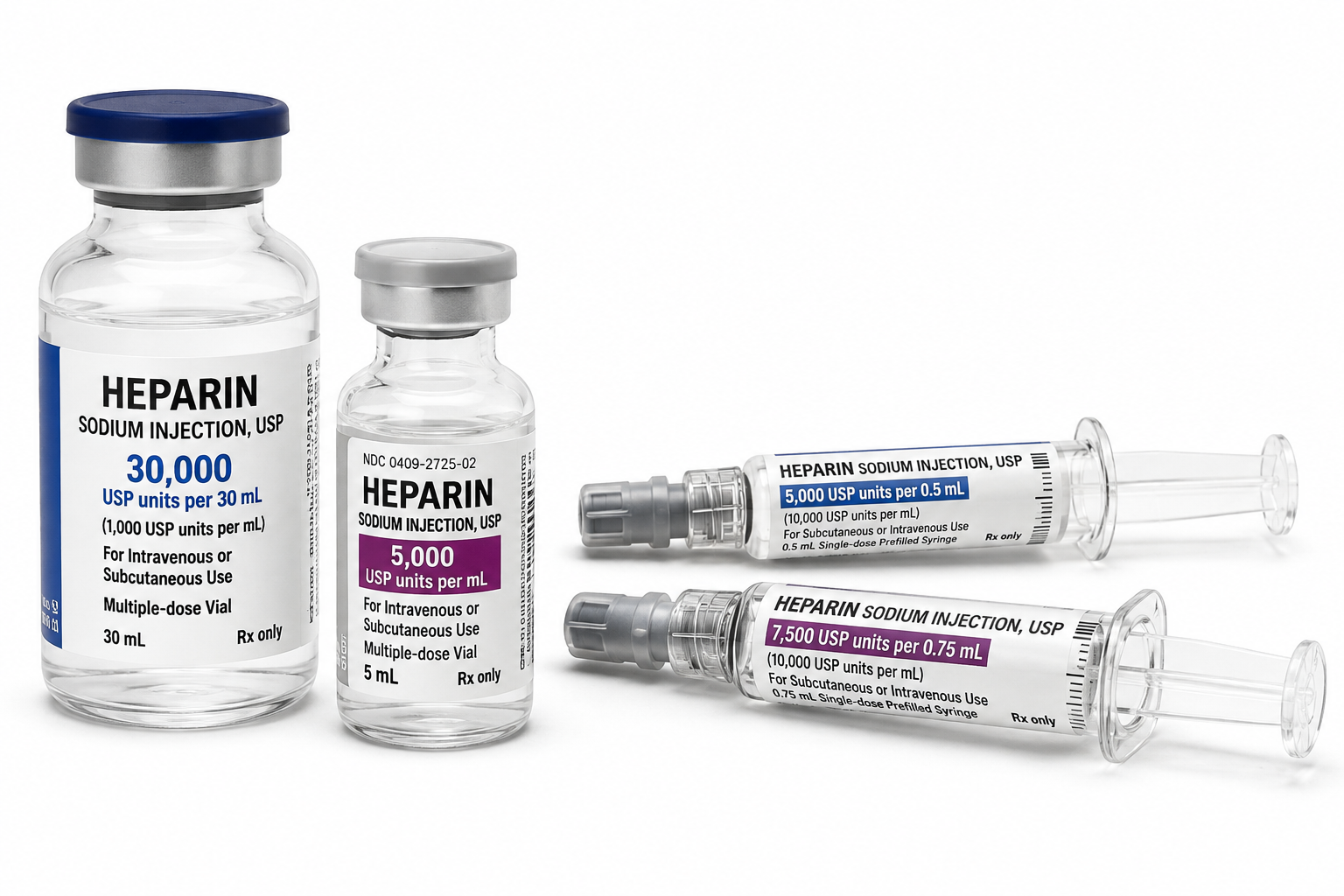
The Global Heparin Market is an important segment of the pharmaceutical and anticoagulant industry, driven by the widespread use of heparin for the prevention and treatment of blood-clotting disorders. Heparin is extensively used in hospitals and healthcare settings during surgical procedures, cardiovascular interventions, dialysis, treatment of venous thromboembolism, and other situations where anticoagulation is required.
According to Bonafide Research Global Heparin Market Overview, 2031” published by Bonafide Research, the Global Heparin Market is expected to cross USD 10.19 Billion market size by 2031, with 4.29% CAGR by 2026-31. The market is supported by rising surgical volumes, increasing dialysis procedures, growing cardiovascular disease burden, and expanding applications of heparin in oncology and medical-device procedures.
The biggest structural change in the industry is the increasing importance of low molecular weight heparin (LMWH), biosimilars, and alternative sources of heparin. LMWH offers more predictable anticoagulant activity and longer duration of action than conventional unfractionated heparin (UFH), making products such as enoxaparin widely used for preventing and treating thromboembolic disorders.
Why Heparin Matters in Modern Healthcare
Traditional heparin therapy has primarily focused on preventing and controlling blood clot formation.
Heparin is particularly important because anticoagulation is required across multiple areas of modern healthcare. These include cardiovascular disease, venous thromboembolism, surgery, critical care, kidney dialysis, and extracorporeal medical procedures.
Low molecular weight heparins have gained significant acceptance because of their predictable pharmacological profile and reduced requirement for routine monitoring compared with unfractionated heparin.
Rising Demand for Heparin in Surgery and Cardiovascular Care
The increasing number of surgical and cardiovascular procedures remains one of the key growth drivers for the global heparin market.
Heparin is used to reduce the risk of thrombosis during and after procedures where blood coagulation needs to be controlled. The growing global burden of cardiovascular and thromboembolic diseases is therefore directly supporting demand for anticoagulant therapies. Market research also identifies increasing surgical volumes, cardiovascular disorders, and dialysis procedures as important factors supporting heparin-market growth.
Dialysis Creates an Important Growth Opportunity
One of the increasingly important applications of heparin is kidney dialysis. During hemodialysis, blood passes through an external circuit and dialysis equipment. Anticoagulation is required to reduce clot formation within the extracorporeal circuit.
The growing prevalence of chronic kidney disease and increasing demand for dialysis services are therefore creating additional demand for heparin. Recent industry analysis identifies hemodialysis as one of the faster-growing application areas within the market.
This creates opportunities not only for pharmaceutical manufacturers but also for suppliers involved in dialysis equipment, hospital procurement, injectable formulations, and specialty healthcare distribution.
The Shift Toward Low Molecular Weight Heparin
One of the most significant trends in the market is the continued dominance of Low Molecular Weight Heparin (LMWH). LMWH products such as enoxaparin provide several clinical advantages, including relatively predictable anticoagulant activity and longer duration of action. They can also be administered subcutaneously, supporting use outside traditional inpatient settings.
Recent market research estimates that LMWH represents around 63% of the global heparin market, making it the largest product category. The increasing adoption of LMWH is also supporting demand for prefilled syringes and convenient injectable formats, particularly where outpatient or home-based administration is appropriate.
Supply-Chain Security Becomes Increasingly Important
Another major development is the industry's focus on heparin supply-chain security. Traditional heparin production has relied heavily on animal-derived raw materials, particularly porcine sources. This creates potential supply-chain vulnerabilities because availability can be affected by animal-disease outbreaks, raw-material constraints, regulatory changes, and geographic concentration of production.
Recent market analysis highlights the movement toward supply-chain diversification, biosynthetic production, and alternative heparin sources. African Swine Fever-related disruptions have also increased attention on the risks associated with heavy dependence on porcine raw materials. This could make biosynthetic and bioengineered heparin technologies an increasingly important area of pharmaceutical innovation.
Hospitals Remain the Core End User
Hospitals represent the most important end-user segment because heparin is extensively used in surgery, inpatient anticoagulation, cardiovascular treatment, emergency care, critical care, and dialysis-related procedures.
The hospital segment benefits from the high volume of patients requiring anticoagulation and the need for injectable anticoagulants across multiple departments. Recent market research identifies hospitals as the largest heparin end-user segment.
At the same time, demand is expanding across ambulatory surgical centers, specialty clinics, dialysis centers, and homecare settings, particularly for LMWH products.
See how you can up your career status
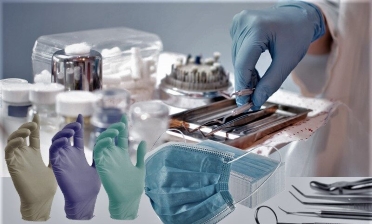
Global Dental Consumables Market Outlook, 2030 is projected to reach market size of USD 60.49 Billion by 2030.
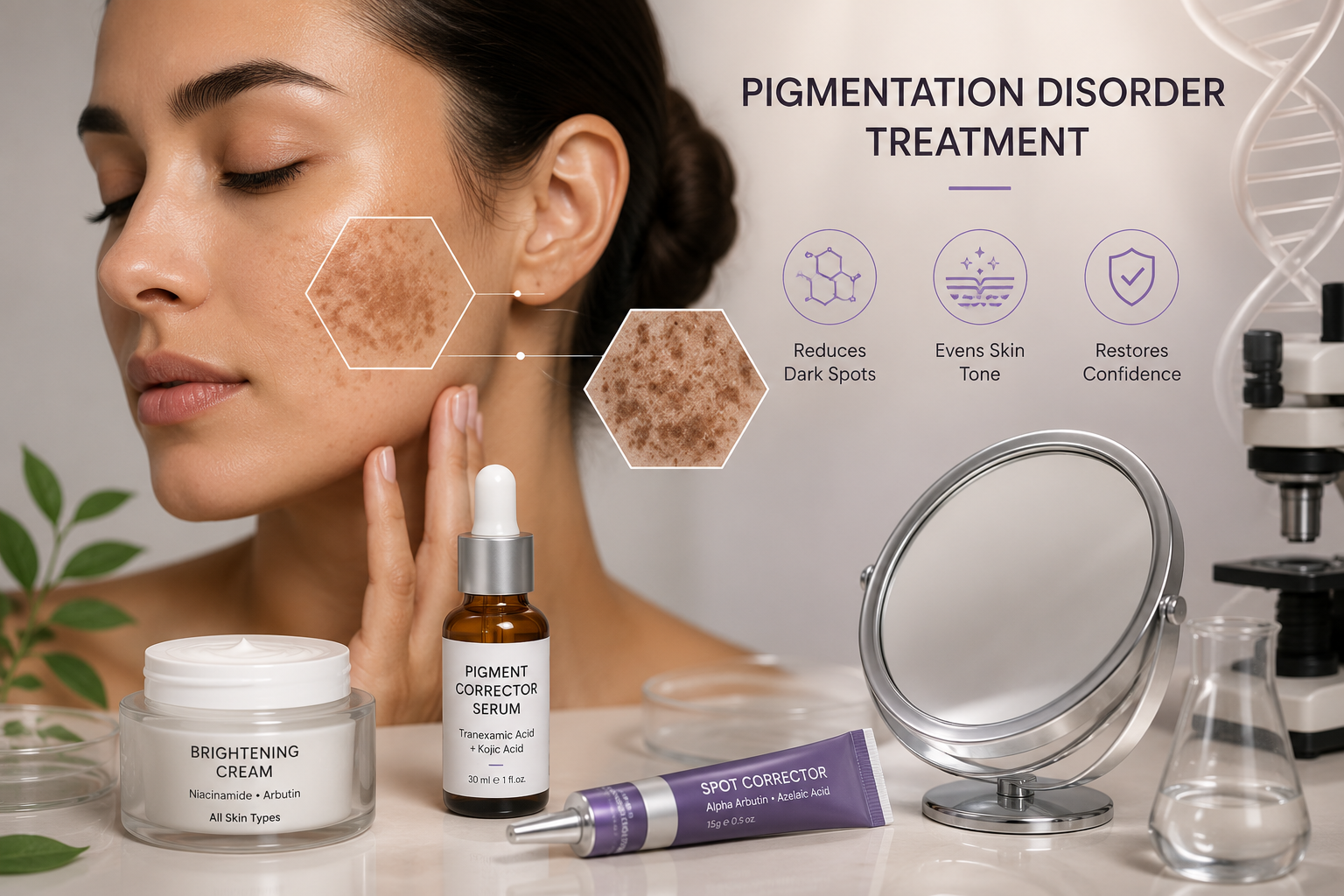
The Global Pigmentation Disorder Treatment market was valued at more than USD 8.03 Billion in 2025, and expected to reach a market size of more than USD 10.97 Billion by 2031 with the CAGR of 5.48% from 2026-2031.
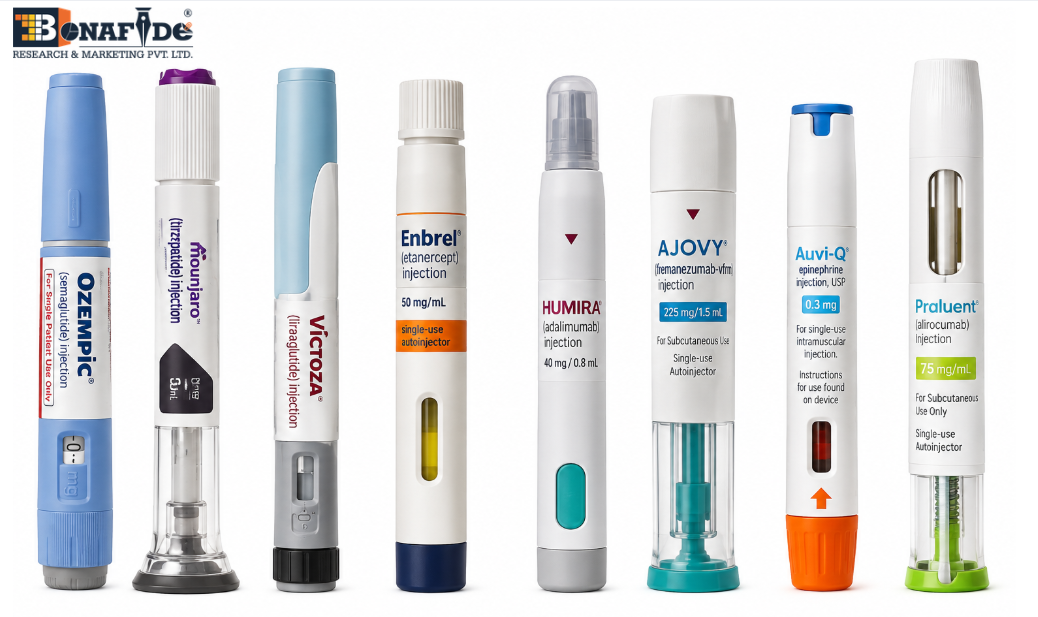
Autoinjectors market gains momentum amid rising prevalence of autoimmune disorders and decentralized care models
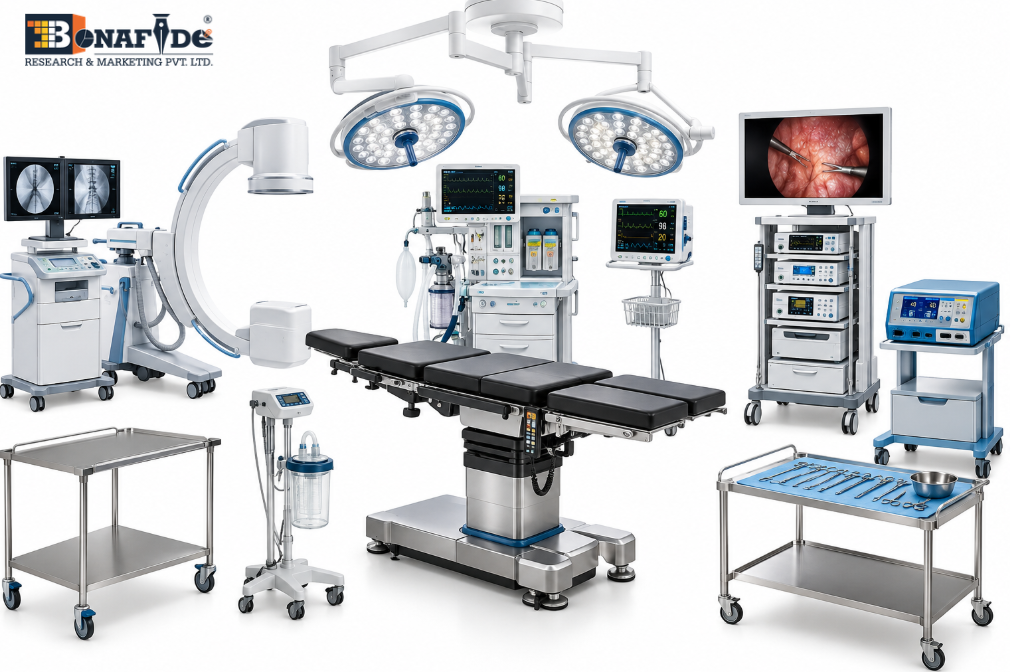
Operating room equipment market surge powered by aging global demographics and chronic disease burden.
 We are friendly and approachable, give us a call.