

Top Six Companies Global Disposable Syringes Market
Global Disposable Syringes market is projected to reach market size of USD 14.51 Billion by 2030

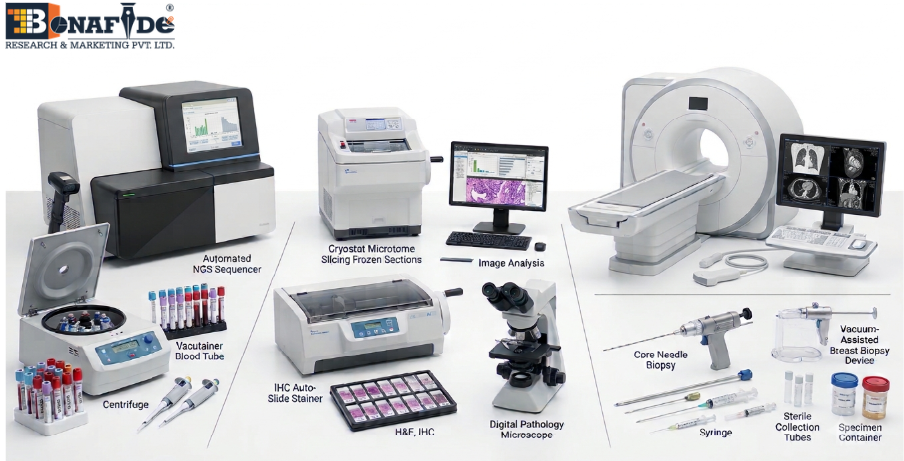
The Global Cancer Diagnostics Market is an important segment of the healthcare and medical diagnostics industry, driven by the increasing prevalence of cancer, growing awareness of early diagnosis, rising demand for personalized medicine, advancements in diagnostic technologies, and expanding access to cancer screening services. Cancer diagnostics encompasses a broad range of medical technologies and procedures used to detect cancer, identify tumor characteristics, determine disease stages, and support treatment selection and monitoring. These include imaging-based diagnostics, biopsy and histopathology, immunohistochemistry, molecular diagnostics, liquid biopsy, next-generation sequencing (NGS), biomarker testing, and other advanced diagnostic technologies. These solutions support healthcare professionals in identifying cancer at different stages, evaluating tumor biology, selecting appropriate treatment strategies, monitoring disease progression, and improving clinical decision-making throughout the cancer care pathway.
According to industry market research, Global Cancer Diagnostics Market is expected to cross 168.96 Billion market size by 2031, with 8.45% CAGR by 2026-31, supported by the increasing global burden of cancer, advancements in precision medicine, growing adoption of molecular testing, and rising demand for early and accurate cancer detection. North America and Europe remain important markets due to their established healthcare infrastructure, availability of advanced diagnostic technologies, strong research and development capabilities, and increasing adoption of personalized cancer care. Meanwhile, Asia-Pacific is expected to experience significant growth as cancer prevalence increases, healthcare infrastructure expands, diagnostic awareness improves, and access to advanced screening and molecular testing technologies continues to develop. Specific market size and CAGR figures should be aligned with the selected market research report and forecast period.
The market is undergoing a significant technological transition toward precision oncology, molecular profiling, liquid biopsy, artificial intelligence-assisted diagnostics, and integrated laboratory testing platforms. Innovations in genomic sequencing, digital pathology, advanced imaging, biomarker analysis, and circulating tumor DNA testing are helping healthcare professionals improve diagnostic accuracy and obtain more detailed information about cancer characteristics. Integration with laboratory information systems, cloud-based platforms, artificial intelligence, and digital healthcare ecosystems is further expanding the capabilities of cancer diagnostics and supporting more personalized approaches to cancer detection, treatment planning, and disease monitoring.
Why Cancer diagnostics matter in modern healthcare
Cancer diagnostics represents an essential component of modern healthcare because it supports early detection, accurate disease classification, treatment selection, and long-term monitoring of cancer. Cancer comprises a diverse group of diseases that can differ significantly according to their origin, genetic characteristics, stage, and response to treatment. Effective cancer management therefore depends on appropriate diagnostic evaluation, including clinical assessment, imaging, tissue examination, and molecular testing when indicated. Depending on the suspected cancer type and individual clinical requirements, patients may undergo mammography, computed tomography (CT), magnetic resonance imaging (MRI), positron emission tomography (PET), biopsy, histopathological examination, immunohistochemistry, or molecular biomarker testing.
Advanced cancer diagnostic technologies help healthcare professionals identify suspicious lesions, determine the presence and characteristics of malignant cells, assess disease extent, and identify biomarkers associated with specific therapies. Imaging technologies support the detection and localization of tumors, while pathology enables the examination of tissue samples to establish a diagnosis. Molecular diagnostics can identify genetic alterations, mutations, and other biomarkers that may influence treatment selection. Together, these technologies help clinicians develop more informed treatment strategies, assess disease progression, and support appropriate patient management.
Rising adoption of molecular diagnostics and precision oncology
The increasing adoption of molecular diagnostics is one of the major factors supporting the growth of the cancer diagnostics market. Traditional cancer diagnosis often relies on imaging, tissue biopsy, and histopathological examination to determine the presence and type of malignancy. Molecular diagnostic technologies provide additional information by examining genetic mutations, gene expression patterns, proteins, and other biological markers associated with cancer. These tests can help identify molecular alterations that influence tumor behavior and may indicate whether a patient is eligible for a targeted therapy or another specialized treatment.
Technologies such as polymerase chain reaction (PCR), fluorescence in situ hybridization (FISH), next-generation sequencing, and other molecular testing methods are increasingly used across different cancer types. Comprehensive genomic profiling can evaluate multiple genetic alterations within a tumor sample, potentially helping clinicians identify relevant therapeutic options and clinical trial opportunities. The growing emphasis on precision oncology, targeted treatments, and biomarker-guided therapy is increasing the importance of molecular diagnostics in cancer care. Improvements in testing accuracy, turnaround time, automation, and analytical capabilities are expected to support further adoption of these technologies across hospitals, diagnostic laboratories, and specialized oncology centers.
Increasing global prevalence of cancer
The increasing global prevalence of cancer is creating sustained demand for cancer diagnostic technologies. Population aging, changes in lifestyle, tobacco consumption, alcohol use, environmental exposures, obesity, infections associated with certain cancers, and other risk factors contribute to the cancer burden across different populations. Improvements in screening, diagnostic access, and disease awareness are also increasing the identification of cancers that might previously have remained undiagnosed. As healthcare systems place greater emphasis on early detection and timely treatment, the need for reliable diagnostic procedures is becoming increasingly important. The growing number of individuals requiring cancer screening, diagnostic evaluation, staging, and treatment monitoring is supporting demand for medical imaging systems, biopsy instruments, pathology services, molecular testing platforms, and biomarker assays. Early detection can improve treatment opportunities for several cancers, although the benefits depend on cancer type, screening method, disease characteristics, and access to effective treatment. Healthcare providers and policymakers are therefore increasingly emphasizing evidence-based screening programs, timely diagnostic referral, and improved access to appropriate cancer testing. These developments are supporting the expansion of cancer diagnostics across both developed and emerging healthcare markets.
Imaging technologies gain importance in cancer detection
Medical imaging represents a major component of the cancer diagnostics market. Imaging technologies help healthcare professionals identify suspicious abnormalities, locate tumors, evaluate disease extent, guide biopsies, and monitor responses to treatment. Commonly used modalities include X-ray imaging, mammography, ultrasound, computed tomography, magnetic resonance imaging, and positron emission tomography. The choice of imaging technique depends on the suspected cancer type, anatomical location, clinical presentation, and diagnostic objective.
Advancements in imaging resolution, contrast enhancement, image reconstruction, and computer-assisted interpretation are improving the capabilities of cancer imaging systems. Digital mammography and breast tomosynthesis support breast cancer evaluation, while CT and MRI provide detailed anatomical information for the assessment of several solid tumors. PET imaging can help evaluate metabolic activity and disease distribution in appropriate clinical settings. In addition, image-guided biopsy technologies enable clinicians to obtain tissue samples from suspicious lesions with greater procedural precision. The growing demand for early cancer detection, accurate staging, and treatment monitoring is expected to sustain the importance of imaging technologies within the cancer diagnostics market.
Growing adoption of liquid biopsy technologies
Liquid biopsy is emerging as an important area of innovation within cancer diagnostics. Unlike conventional tissue biopsy, which requires the collection of tumor tissue, liquid biopsy analyzes cancer-associated biomarkers found in bodily fluids, most commonly blood. These biomarkers may include circulating tumor DNA, circulating tumor cells, RNA, and other molecular indicators associated with cancer. Liquid biopsy technologies can provide useful information about tumor characteristics and may help clinicians assess selected cancers when tissue sampling is difficult, insufficient, or unsuitable for repeated testing.
One of the key applications of liquid biopsy is the identification of actionable genetic alterations that may guide treatment decisions in certain cancers. These tests may also help detect molecular changes associated with treatment resistance and support disease monitoring in appropriate clinical settings. Research into circulating tumor DNA and other biomarkers is expanding interest in the potential use of liquid biopsy for earlier cancer detection and recurrence monitoring. However, the clinical performance and approved applications of these tests vary, and a negative result does not necessarily exclude cancer. Continued improvements in assay sensitivity, specificity, standardization, and clinical validation are expected to influence the future development of this market segment.
Artificial intelligence and digital pathology transform cancer diagnostics
Artificial intelligence and digital technologies are increasingly influencing cancer diagnosis and laboratory workflows. AI-enabled systems can analyze medical images, digitized pathology slides, and selected molecular datasets to identify patterns that may be difficult to detect consistently through conventional manual review alone. These applications can assist with image interpretation, tumor classification, cell identification, biomarker assessment, and workflow prioritization. When incorporated into validated clinical processes, AI tools may support diagnostic efficiency and help pathologists and radiologists manage increasing volumes of diagnostic information. Digital pathology allows tissue slides to be converted into high-resolution digital images that can be reviewed, shared, archived, and analyzed using specialized software. These platforms can facilitate remote consultation, collaboration between specialists, and the application of computational image analysis. AI-based image analysis is also being investigated for applications such as tumor detection, grading support, and the quantification of selected biomarkers. Nevertheless, AI-generated outputs require appropriate validation, quality assurance, and clinical oversight. Advancements in computing infrastructure, data interoperability, algorithm development, and digital laboratory systems are expected to support continued innovation in cancer diagnostics.
Expansion of biomarker testing and companion diagnostics
Biomarker testing is becoming increasingly important as cancer treatment moves toward more individualized therapeutic strategies. Biomarkers can include genetic mutations, proteins, gene expression signatures, and other measurable biological characteristics that provide information about a tumor's behavior or potential response to treatment. Testing for specific biomarkers can help identify patients who may benefit from targeted therapies, immunotherapies, or other treatment approaches. The relevance of a biomarker depends on the cancer type, clinical indication, available treatment, and applicable regulatory guidance.
Companion diagnostics are tests developed to provide information essential for the safe and effective use of particular therapeutic products. These tests can help determine whether a patient is likely to benefit from a specific treatment or whether a particular treatment-related risk is present. Immunohistochemistry, in situ hybridization, PCR, and next-generation sequencing are among the technologies used for different biomarker applications. The growing development of targeted oncology drugs and biomarker-guided treatment protocols is increasing demand for accurate and clinically validated diagnostic assays. As pharmaceutical companies and diagnostic manufacturers continue to collaborate on precision medicine, companion diagnostics are expected to remain an important growth area within the cancer diagnostics market.
Expansion of cancer diagnostics in hospitals and specialized oncology centers
Hospitals and specialized oncology centers remain important end users of cancer diagnostic technologies. These facilities conduct cancer screening, diagnostic evaluation, disease staging, treatment planning, and follow-up assessments across a wide range of cancer types. Their diagnostic capabilities may include radiology departments, pathology laboratories, molecular testing facilities, endoscopy services, and multidisciplinary cancer care teams. Hospitals also coordinate the diagnostic procedures required to establish a definitive diagnosis and determine the most appropriate treatment pathway. Specialized cancer centers often require advanced diagnostic platforms that support complex pathology, molecular profiling, biomarker testing, and multidisciplinary treatment decisions. The expansion of oncology services and improvements in diagnostic infrastructure are supporting demand for high-performance imaging equipment, automated laboratory instruments, genomic testing platforms, and specialized diagnostic reagents. Healthcare providers are also focusing on reducing diagnostic delays, improving laboratory efficiency, and coordinating test results across clinical departments. At the same time, independent diagnostic laboratories and reference testing facilities are becoming increasingly important by providing specialized assays and molecular testing services to hospitals and healthcare networks.
Growing demand for early cancer screening and preventive diagnostics
Early cancer detection and screening programs are important contributors to the development of the cancer diagnostics market. Screening aims to identify certain cancers or precancerous conditions in people who may not yet have symptoms, using methods supported by evidence for the relevant population. Established screening approaches include mammography for breast cancer, cervical screening using HPV testing and cytology, and colorectal cancer screening through stool-based tests or endoscopic procedures, depending on local guidelines and individual circumstances.
Growing awareness of cancer risk, public health initiatives, improved screening infrastructure, and increased access to diagnostic services are encouraging the adoption of appropriate screening technologies. In addition, advances in molecular testing are creating interest in new approaches for detecting cancer-associated signals in blood and other biological samples. Multi-cancer early detection tests are an active area of research, but their clinical utility, population-level benefits, and appropriate implementation remain under evaluation. The expansion of evidence-based screening programs, combined with timely follow-up of abnormal results, is expected to remain an important factor shaping demand for cancer diagnostics.
Increasing focus on personalized cancer management
The cancer diagnostics market serves patients with diverse clinical requirements, creating demand for a broad range of diagnostic procedures and technologies. Different cancers vary according to their anatomical origin, histological characteristics, molecular profile, and stage at diagnosis. Even patients with the same cancer type may have different tumor biomarkers and treatment responses. As a result, personalized cancer management increasingly depends on combining conventional diagnostic methods with molecular and biomarker-based testing when clinically appropriate.
For some patients, imaging and histopathology provide the primary information required to establish a diagnosis and plan treatment. Others may require additional genetic testing, immunohistochemistry, or comprehensive molecular profiling to identify clinically relevant tumor characteristics. Patients receiving targeted therapies or immunotherapies may also undergo biomarker testing to determine treatment eligibility and, in selected circumstances, further testing to evaluate disease progression or resistance. This diversity of diagnostic needs supports demand across multiple cancer diagnostic segments and creates opportunities for manufacturers to develop specialized solutions for different cancer types, patient populations, and healthcare settings.
Growing demand for integrated cancer diagnostic solutions
Integrated cancer diagnostic solutions are becoming increasingly important as healthcare providers combine imaging, pathology, molecular testing, laboratory automation, and digital data management. These systems aim to improve coordination across different stages of the diagnostic pathway, from the identification of a suspicious lesion to the confirmation of malignancy and characterization of the tumor. Examples include digital pathology platforms linked with laboratory information systems, molecular testing workflows integrated with electronic health records, and diagnostic platforms that consolidate genomic and clinical information for multidisciplinary review.
The development of integrated solutions is increasing the importance of interoperability, data security, quality assurance, standardized reporting, and efficient communication between laboratories and clinical teams. Manufacturers are focusing on technologies that can improve laboratory throughput, simplify complex testing workflows, and support the interpretation of diagnostic findings. Integration of imaging, histopathology, and molecular profiling can provide a more comprehensive understanding of cancer characteristics when used appropriately. As oncology care becomes increasingly data-driven, integrated diagnostic solutions are expected to play a growing role in supporting timely diagnosis, treatment selection, and coordinated patient management.
Challenges and opportunities in the global cancer diagnostics market
Despite strong growth opportunities, the cancer diagnostics market faces several challenges, including the high cost of advanced diagnostic equipment, unequal access to specialized testing, shortages of trained laboratory professionals, complex regulatory requirements, and variations in reimbursement policies. Advanced molecular testing and genomic profiling may not be readily available in all healthcare settings, particularly in resource-constrained regions. Differences in laboratory infrastructure, sample handling, test standardization, and interpretation capabilities can also affect the adoption of sophisticated diagnostic technologies.
At the same time, these challenges create opportunities for manufacturers and healthcare providers to develop more affordable testing solutions, expand laboratory automation, improve decentralized diagnostic capabilities, and strengthen access to essential screening services. Investments in molecular diagnostics, digital pathology, AI-assisted image analysis, and liquid biopsy research may further broaden the range of available diagnostic options. Partnerships among diagnostic manufacturers, healthcare institutions, biotechnology companies, pharmaceutical developers, and research organizations are also supporting innovation in cancer detection and precision medicine.
See how you can up your career status
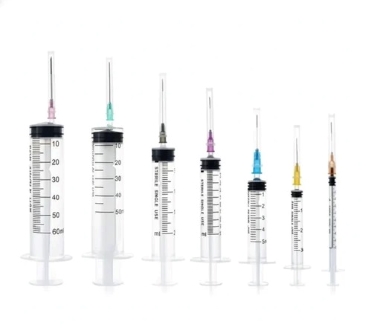
Global Disposable Syringes market is projected to reach market size of USD 14.51 Billion by 2030
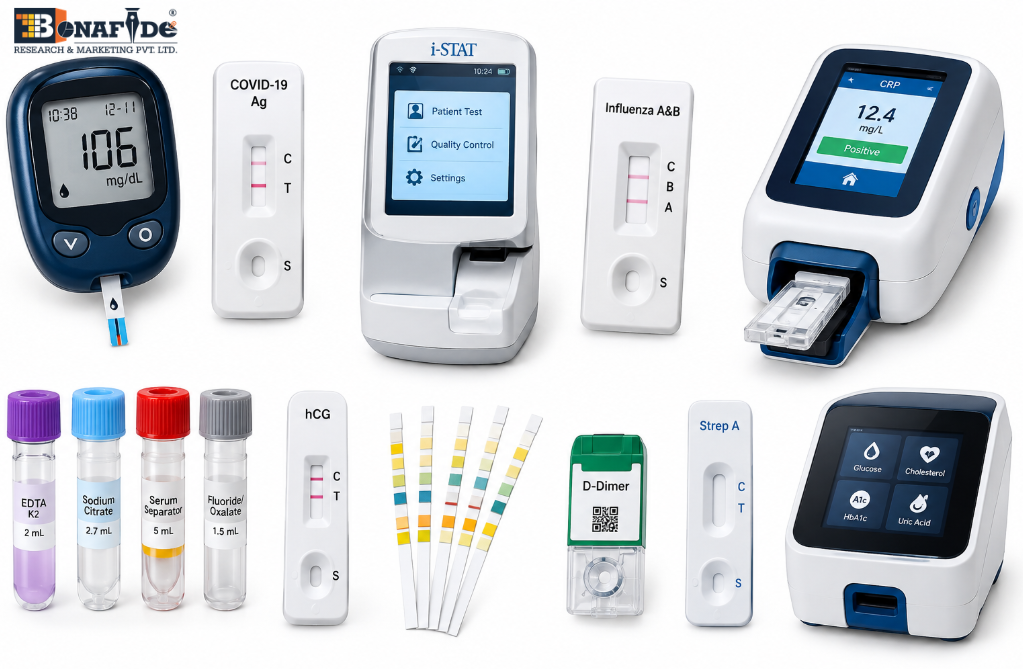
The Global Point-of-Care (POC) Diagnostics Market is expected to cross 76.46 Billion market size by 2031, with 8.01% CAGR by 2026-31.
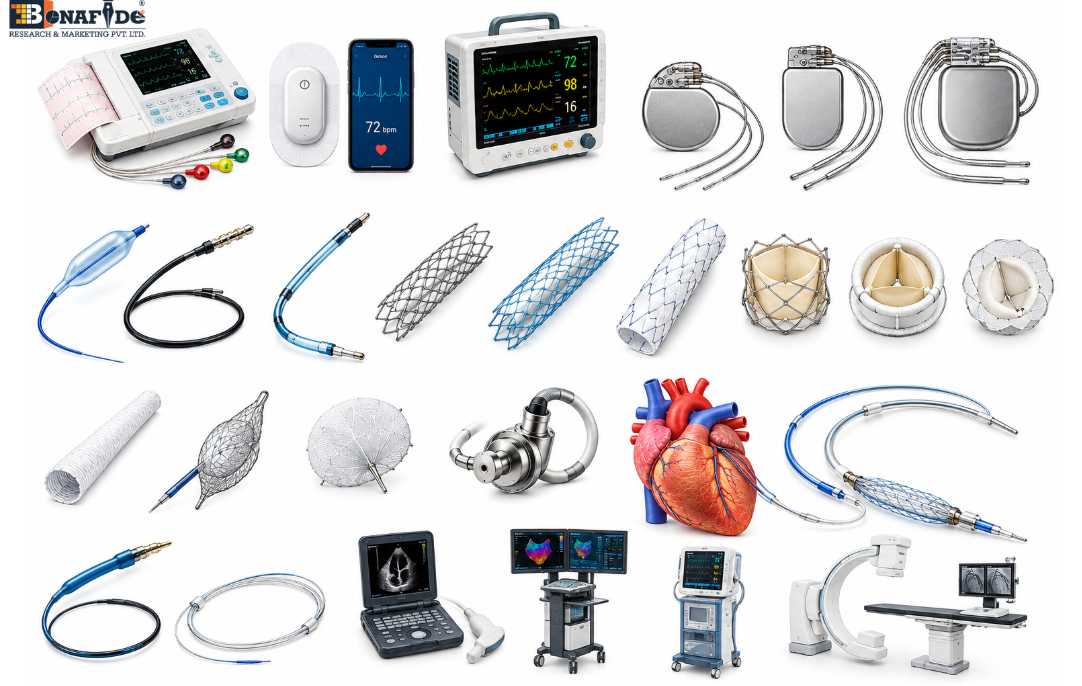
The Global Cardiovascular Devices Market is expected to cross 110.33 Billion market size by 2031, with 8.07% CAGR by 2026-31.
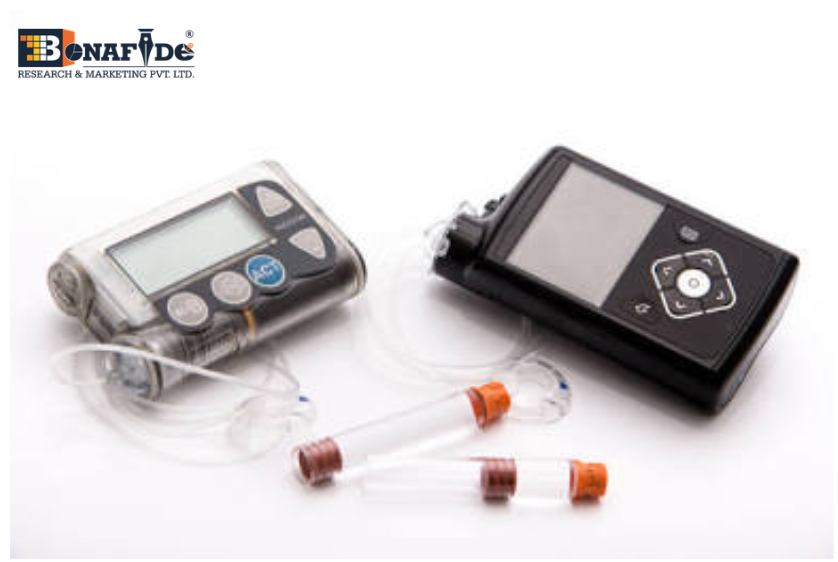
Global Diabetes Care Devices Market is expected to cross 70.73 Billion market size by 2031, with 10.12% CAGR by 2026-31.
 We are friendly and approachable, give us a call.