

Top Companies Global Ophthalmic Equipment Market
Global Ophthalmic Equipment Market Outlook, 2030 is projected to reach market size of USD 68.42 Billion by 2030

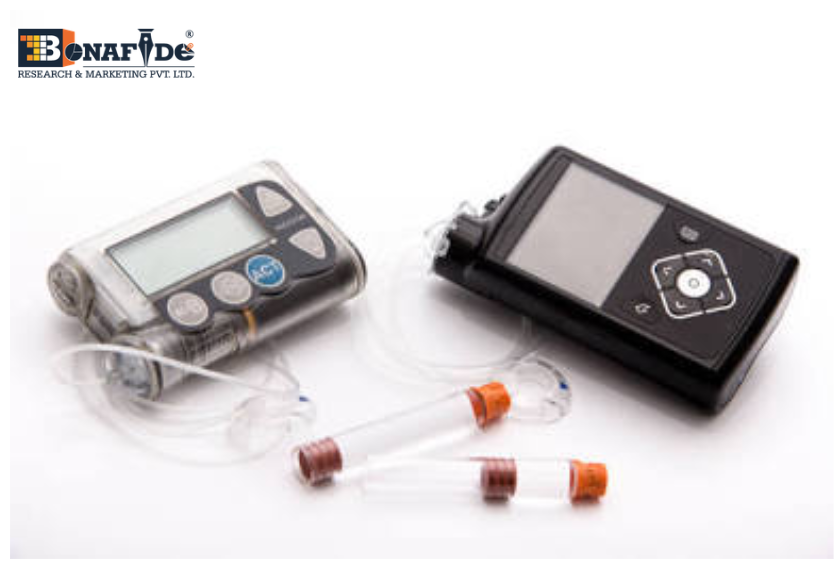
The Global Diabetes Care Devices Market is an important segment of the healthcare and medical devices industry, driven by the increasing prevalence of diabetes, growing awareness of diabetes management, rising demand for continuous glucose monitoring, technological advancements, increasing adoption of insulin delivery systems, and expanding access to healthcare services. Diabetes care devices include a broad range of medical technologies used for the monitoring, treatment, and management of diabetes. These include blood glucose monitoring devices, continuous glucose monitoring (CGM) systems, insulin delivery devices, insulin pumps, insulin pens, lancets, glucose meters, and other diabetes management technologies. These devices support patients and healthcare professionals in monitoring blood glucose levels, administering insulin, managing glycemic control, reducing the risk of diabetes-related complications, and improving long-term disease management.
According to the Bonafide Research market report, Global Diabetes Care Devices Market is expected to cross 70.73 Billion market size by 2031, with 10.12% CAGR by 2026-31, supported by the increasing global burden of diabetes, advancements in glucose monitoring technologies, growing adoption of automated insulin delivery systems, and rising demand for personalized diabetes management solutions. North America and Europe remain important markets due to established healthcare infrastructure, high awareness of diabetes management, and the adoption of advanced monitoring and insulin delivery technologies. Meanwhile, Asia-Pacific is expected to experience significant growth as diabetes prevalence increases, healthcare infrastructure expands, awareness of early diagnosis improves, and access to diabetes care technologies continues to develop.
The market is undergoing an important technological transition toward continuous glucose monitoring, smart insulin delivery, automated insulin dosing, connected diabetes management platforms, and digitally integrated patient care. Innovations in sensor-based glucose monitoring, wearable devices, insulin pumps, smart insulin pens, and hybrid closed-loop systems are helping patients and healthcare professionals improve glucose management and treatment adherence. Integration with mobile applications, cloud-based platforms, artificial intelligence, remote patient monitoring, and digital health ecosystems is further expanding the capabilities of diabetes care devices and supporting more personalized approaches to diabetes management.
Why Diabetes Care Devices Matter in Modern Healthcare
Diabetes care devices represent an essential component of modern healthcare because they support the diagnosis, monitoring, treatment, and long-term management of diabetes, a chronic condition that requires consistent attention to blood glucose levels and treatment adherence. Effective diabetes management often involves regular glucose monitoring, insulin administration, lifestyle modifications, medication management, and ongoing clinical assessment. Depending on the type of diabetes and individual treatment requirements, patients may rely on glucose meters, continuous glucose monitoring systems, insulin pens, insulin pumps, and other specialized devices.
Advanced diabetes care devices can help patients and healthcare professionals identify glucose fluctuations, assess treatment effectiveness, and make informed decisions about diabetes management. Blood glucose meters provide point-in-time glucose measurements, while continuous glucose monitoring systems offer ongoing readings and information about glucose trends. Insulin delivery devices support accurate administration of insulin, helping patients manage their blood glucose levels according to their prescribed treatment plans.
Rising Adoption of Continuous Glucose Monitoring Technologies
The increasing adoption of continuous glucose monitoring (CGM) systems is one of the major factors supporting the growth of the diabetes care devices market. Traditional blood glucose monitoring generally requires patients to obtain individual readings using a glucose meter and test strips. In comparison, CGM systems use sensors placed on or under the skin to measure glucose levels in interstitial fluid at regular intervals, providing a more comprehensive view of glucose patterns throughout the day and night. Modern CGM systems can display glucose readings, trend arrows, and alerts through compatible receivers or mobile applications. These capabilities help users identify changing glucose levels and recognize potential episodes of hypoglycemia or hyperglycemia. Some systems can also share glucose information with caregivers and healthcare professionals, supporting remote diabetes management.
Technological improvements in sensor accuracy, wear duration, connectivity, usability, and data interpretation are contributing to the wider adoption of CGM technologies. The growing availability of integrated insulin delivery solutions and digital diabetes management platforms is also expanding the role of continuous glucose monitoring in personalized diabetes care. As awareness of glucose variability and the importance of time in range increases, demand for advanced glucose monitoring technologies is expected to remain an important market driver.
Increasing Prevalence of Diabetes
The increasing global prevalence of diabetes is creating sustained demand for diabetes care devices. Both type 1 and type 2 diabetes require appropriate disease management, although monitoring and treatment needs vary according to the patient's condition. People with type 1 diabetes generally require lifelong insulin therapy, while individuals with type 2 diabetes may require lifestyle management, oral medications, injectable therapies, insulin, or combinations of treatments as their condition progresses. Population aging, urbanization, sedentary lifestyles, unhealthy dietary patterns, and increasing rates of overweight and obesity are contributing to the growing burden of type 2 diabetes in many regions. Improved screening and diagnosis are also bringing more individuals into the healthcare system, increasing the need for glucose monitoring and diabetes management solutions.
The growing number of patients requiring regular glucose monitoring and insulin administration is supporting demand for glucose meters, test strips, CGM sensors, insulin pens, insulin pumps, and related consumables. As healthcare systems increasingly emphasize early intervention and the prevention of diabetes-related complications, diabetes care devices are becoming more important in routine clinical care and long-term disease management.
Insulin Delivery Devices Gain Importance
Insulin delivery represents a major technology segment within the diabetes care devices market. Insulin therapy is essential for people with type 1 diabetes and is also required by many individuals with type 2 diabetes. The choice of insulin delivery method depends on treatment requirements, patient preferences, clinical recommendations, and access to healthcare technologies.
Insulin delivery devices include conventional syringes, insulin pens, smart insulin pens, and insulin pumps. Insulin pens offer a convenient method of administering prescribed insulin doses, while smart insulin pens can provide additional features such as dose recording, reminders, and connectivity with compatible diabetes management applications. Insulin pumps deliver insulin through a programmable system and may support more flexible insulin administration for suitable patients. Advancements in device design, dosing accuracy, portability, connectivity, and ease of operation are encouraging the development of more user-friendly insulin delivery solutions. Automated insulin delivery systems, which combine glucose monitoring with insulin delivery technology, are also gaining importance in diabetes management. The development of connected insulin pens, tubeless insulin pumps, and automated insulin delivery systems is creating additional opportunities for manufacturers seeking to improve convenience and support more effective diabetes management.
Growing Adoption of Smart Insulin Pumps and Automated Insulin Delivery Systems
Insulin pumps and automated insulin delivery systems are becoming increasingly important within the diabetes care devices market. These technologies are designed to support insulin administration through programmable delivery mechanisms and, in advanced systems, communication with continuous glucose monitoring devices. Traditional insulin pumps deliver insulin according to programmed settings, while automated insulin delivery systems use glucose sensor information and control algorithms to adjust insulin delivery within prescribed parameters. These systems can help reduce some of the burden associated with frequent manual treatment adjustments for eligible patients.
Hybrid closed-loop systems combine CGM technology with insulin pumps and automated control algorithms. Depending on the system, users may still need to announce meals or provide other inputs, meaning that automation does not necessarily eliminate all diabetes management tasks. Advances in pump miniaturization, wireless connectivity, software algorithms, sensor integration, and user interfaces are supporting innovation across this segment. The growing demand for personalized insulin delivery and integrated diabetes management solutions is expected to create further opportunities for insulin pump and automated insulin delivery manufacturers.
Expansion of Blood Glucose Monitoring Devices
Blood glucose monitoring remains a fundamental component of diabetes care, particularly for individuals who use insulin or require regular assessment of their glucose levels. Blood glucose monitoring devices typically include glucose meters, test strips, lancing devices, and related accessories that allow users to obtain measurements from a small blood sample. These devices support routine glucose checks, treatment monitoring, and the assessment of glucose levels during changes in diet, physical activity, illness, or medication. Despite the increasing availability of CGM systems, conventional blood glucose meters continue to serve an important role because of their established use, accessibility, and suitability for different patient needs.
Manufacturers are focusing on improving meter accuracy, testing convenience, portability, connectivity, and affordability. Some modern glucose meters can transfer readings to mobile applications, enabling users to track results over time and share relevant information with healthcare professionals. The demand for blood glucose monitoring devices is also supported by the need for regular testing supplies, including test strips and lancets. In many emerging markets, affordability and accessibility remain important factors influencing the adoption of glucose monitoring technologies.
Artificial Intelligence and Data Analytics Transform Diabetes Management
Artificial intelligence and advanced data analytics are increasingly influencing diabetes monitoring and treatment management. Digital diabetes platforms can analyze glucose readings, insulin delivery records, meal information, activity levels, and other relevant inputs to identify patterns and support personalized care. AI-enabled applications may assist with glucose trend analysis, risk alerts, treatment insights, and the interpretation of large volumes of diabetes-related data. When integrated with CGM systems and insulin delivery devices, advanced algorithms can also support automated insulin delivery within the capabilities and safety limits of the relevant system.
The growing availability of connected glucose monitoring and insulin delivery technologies is generating more opportunities to use data-driven tools in diabetes care. However, clinical decisions and treatment adjustments must remain consistent with the patient's prescribed management plan and appropriate healthcare professional guidance. Advancements in mobile computing, sensor technology, interoperability, and cloud-based platforms are expected to support further innovation in diabetes management. These developments may improve the usability of diabetes care devices, facilitate remote consultations, and help patients and healthcare professionals make more informed decisions.
Expansion of Diabetes Care Devices in Hospitals and Specialized Diabetes Centers
Hospitals and specialized diabetes centers remain important end-user segments for diabetes care devices. These facilities use glucose monitoring technologies, insulin delivery systems, diagnostic equipment, and related medical supplies across inpatient treatment, outpatient consultations, emergency care, and long-term diabetes management. Diabetes care devices are used throughout the patient care pathway, including initial assessment, glucose monitoring, insulin administration, treatment adjustment, complication management, and patient education. Hospitals may use point-of-care glucose testing systems to monitor patients during hospitalization, while outpatient diabetes clinics may support patients in selecting and using glucose meters, CGM systems, and insulin delivery technologies.
The growing establishment of specialized diabetes clinics and the expansion of chronic disease management services are supporting demand for advanced diabetes care solutions. Healthcare providers are also emphasizing patient education, treatment adherence, and the prevention of complications associated with poorly controlled diabetes. At the same time, home healthcare is becoming an increasingly important setting for diabetes management. The availability of portable glucose meters, wearable CGM systems, connected insulin pens, and insulin pumps allows many patients to manage their condition outside traditional healthcare facilities, subject to their individual treatment requirements.
Growing Demand for Wearable and Home-Based Diabetes Monitoring Solutions
Wearable and home-based diabetes care devices are gaining importance as patients increasingly seek convenient ways to monitor and manage their condition. Portable glucose meters, wearable CGM sensors, connected insulin delivery devices, and mobile health applications allow patients to monitor glucose levels and manage treatment as part of their daily routines. Home-based monitoring can provide useful information about glucose fluctuations during sleep, meals, exercise, and other daily activities. CGM systems can help users identify trends that may not be apparent from occasional finger-prick measurements, while connected applications can support the recording and review of diabetes management data.
The growing emphasis on patient-centered care and self-management is encouraging manufacturers to develop devices that are comfortable, easy to operate, discreet, and compatible with digital health platforms. Improvements in sensor design, battery performance, connectivity, and usability are also supporting the development of more convenient home-based diabetes management solutions. As remote healthcare services and digital consultations expand, home-based diabetes care devices are expected to remain an important part of the broader diabetes management ecosystem.
Increasing Focus on Diabetes Management for Type 1 and Type 2 Diabetes
The diabetes care devices market serves patients with different clinical requirements, creating demand for a diverse range of monitoring and treatment technologies. People with type 1 diabetes generally require insulin therapy and may benefit from continuous glucose monitoring, insulin pumps, and automated insulin delivery systems. Patients with type 2 diabetes may use blood glucose meters, CGM systems, insulin delivery devices, or other monitoring technologies depending on their treatment plans and clinical needs. The increasing emphasis on individualized diabetes management is encouraging healthcare professionals and manufacturers to consider patient age, treatment complexity, lifestyle, technology familiarity, affordability, and accessibility when selecting appropriate devices.
For some patients, conventional glucose meters provide a practical and cost-effective monitoring option. Others may benefit from CGM systems that offer more detailed information about glucose trends. Similarly, insulin pens may meet the needs of many insulin users, while pumps and automated delivery systems may be appropriate for selected patients who require more advanced insulin management. This diversity of treatment needs supports demand across multiple diabetes care device categories and creates opportunities for manufacturers to develop solutions for different patient populations, healthcare settings, and affordability levels.
Growing Demand for Integrated Diabetes Care Solutions
Integrated diabetes care solutions are becoming increasingly important as manufacturers combine glucose monitoring, insulin delivery, connectivity, and digital management capabilities. These systems aim to simplify the coordination of different aspects of diabetes care and provide users with more accessible information about their condition. Examples include CGM systems that communicate with compatible insulin pumps, smart insulin pens that record dosing information, and mobile applications that consolidate glucose readings and treatment data. More advanced systems can use automated algorithms to adjust insulin delivery based on glucose sensor information, subject to system design and clinical requirements.
See how you can up your career status

Global Ophthalmic Equipment Market Outlook, 2030 is projected to reach market size of USD 68.42 Billion by 2030
Global Dental Consumables Market Outlook, 2030 is projected to reach market size of USD 60.49 Billion by 2030.
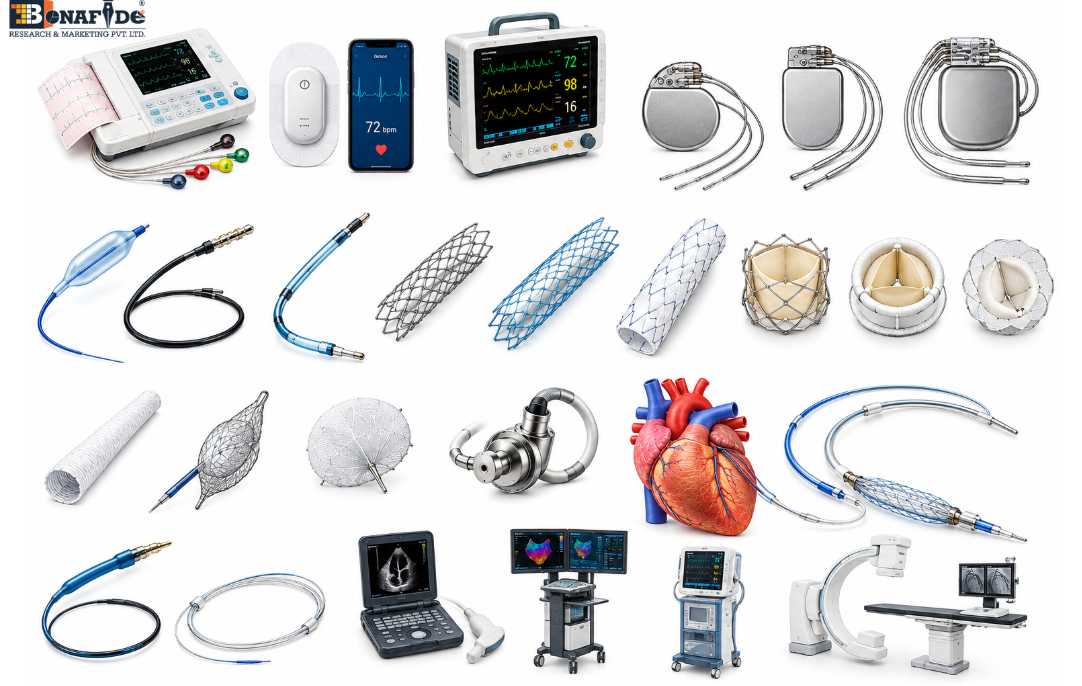
The Global Cardiovascular Devices Market is expected to cross 110.33 Billion market size by 2031, with 8.07% CAGR by 2026-31.
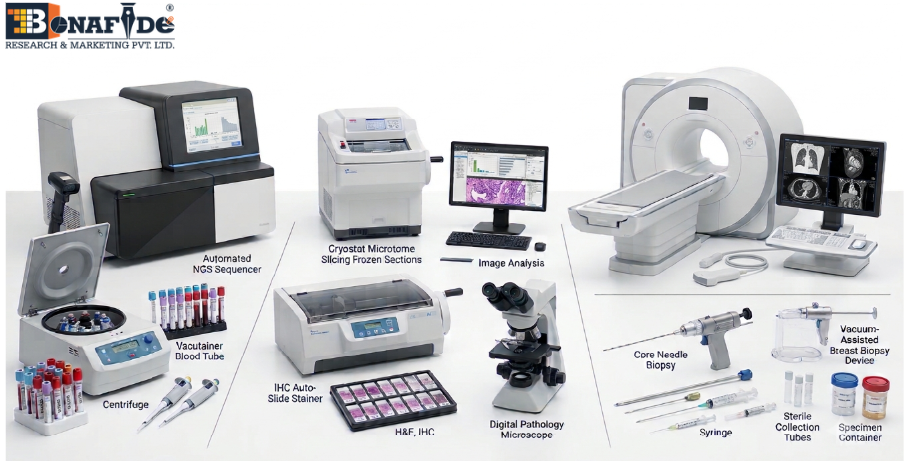
Global Cancer Diagnostics Market is expected to cross 168.96 Billion market size by 2031, with 8.45% CAGR by 2026-31.
 We are friendly and approachable, give us a call.