

Feminine Hygiene Unveiled: Empowering Choices for Women
Delve into the world of feminine hygiene products, empowering women to make informed choices. From sustainability to innovation, discover the latest trends in feminine care.

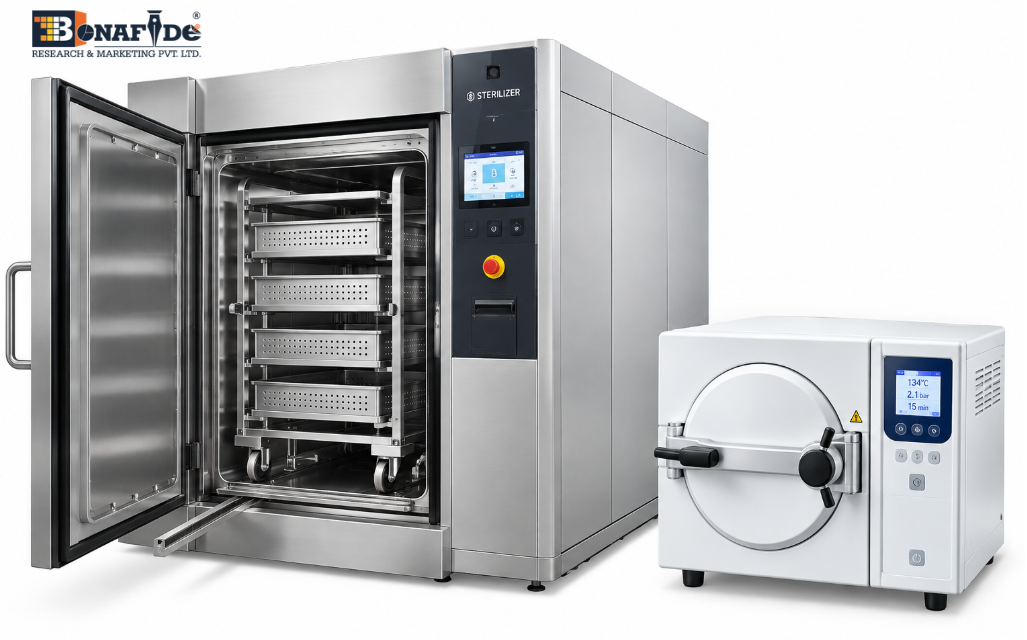
The Global Sterilization Equipment Market is an important segment of the medical devices, healthcare, and infection prevention industry, driven by the increasing focus on infection control, rising volume of surgical procedures, expansion of healthcare infrastructure, growing prevalence of healthcare-associated infections (HAIs), and increasing adoption of advanced sterilization technologies. Sterilization equipment is extensively used across hospitals, ambulatory surgical centers (ASCs), clinics, dental facilities, pharmaceutical manufacturing units, biotechnology laboratories, and other healthcare and life sciences facilities to ensure that medical instruments and equipment are free from viable microorganisms before use.
According to Bonafide research report, “Global Sterilization Equipment Market is expected to cross 27.76 Billion market size by 2031, with 8.71% CAGR by 2026-31. North America and Europe remain important markets due to established healthcare infrastructure, stringent infection prevention standards, and widespread adoption of advanced sterilization systems, while Asia-Pacific is expected to experience strong growth as healthcare infrastructure expands, surgical volumes increase, and investments in medical facilities accelerate.
The market is undergoing an important technological transition toward automated, efficient, environmentally conscious, and digitally connected sterilization solutions. Innovations in steam sterilizers, low-temperature sterilization systems, hydrogen peroxide-based technologies, ethylene oxide sterilizers, dry heat sterilizers, and automated sterilization workflows are helping healthcare providers improve sterilization effectiveness, operational efficiency, traceability, and patient safety.
Why Sterilization Equipment matters in modern healthcare
Sterilization represents a critical component of infection prevention and healthcare safety. Medical instruments and devices that are reused during surgical and diagnostic procedures must undergo appropriate cleaning, disinfection, sterilization, and quality-control processes to minimize the risk of infection transmission. Modern sterilization equipment plays an important role in eliminating microorganisms, including bacteria, viruses, fungi, and bacterial spores, from reusable medical instruments and other healthcare products. Reliable sterilization systems help healthcare facilities maintain consistent processing standards and support safe surgical and clinical practices.
The increasing complexity of medical procedures is also creating demand for sterilization technologies capable of processing a wider variety of instruments and materials. Healthcare providers are increasingly seeking equipment that offers reliable cycle performance, automated monitoring, rapid processing, digital documentation, and improved compatibility with heat-sensitive medical devices.
Rising Focus on Infection Prevention and Control
The growing emphasis on infection prevention and control is one of the major factors supporting demand for sterilization equipment worldwide. Healthcare-associated infections can increase treatment costs, prolong hospital stays, and negatively affect patient outcomes, making effective sterilization and disinfection practices an essential part of healthcare operations.
Hospitals and healthcare facilities are therefore increasing their focus on standardized sterilization protocols and central sterile services departments (CSSDs). Regulatory requirements and infection-control guidelines are also encouraging healthcare providers to invest in modern sterilization equipment with improved process control and monitoring capabilities. The increasing awareness of infection prevention in emerging economies is further supporting market growth as hospitals upgrade their sterile processing infrastructure and adopt more advanced equipment.
Increasing Volume of Surgical and Medical Procedures
The growing number of surgical and diagnostic procedures worldwide is directly supporting demand for sterilization equipment. Surgical specialties such as orthopedics, cardiovascular surgery, general surgery, gynecology, urology, ophthalmology, and neurosurgery rely heavily on reusable surgical instruments that require appropriate sterilization before reuse.
An aging global population and increasing prevalence of chronic diseases are contributing to higher healthcare utilization and surgical volumes. The expansion of hospitals, specialty clinics, ambulatory surgical centers, and other healthcare facilities is consequently increasing the need for reliable sterilization infrastructure.
The growing adoption of minimally invasive procedures is also creating demand for specialized sterilization systems because laparoscopic, endoscopic, and other advanced surgical instruments often require carefully controlled sterilization processes.
Steam Sterilization Remains Widely Adopted
Steam sterilization remains one of the most widely used sterilization methods in healthcare facilities because of its effectiveness, reliability, and suitability for a broad range of heat- and moisture-resistant medical instruments.
Autoclaves and steam sterilizers are extensively used in: Hospitals, Central sterile services departments (CSSDs), Ambulatory surgical centers, Dental clinics, Specialty clinics, Laboratories, Pharmaceutical facilities.
Modern steam sterilizers are increasingly incorporating automated cycle controls, digital monitoring, electronic documentation, improved chamber designs, and enhanced safety features. These developments are helping healthcare providers improve sterilization consistency while reducing processing errors and operational downtime.
Growing Adoption of Low-Temperature Sterilization Technologies
The increasing use of heat-sensitive medical devices is supporting demand for low-temperature sterilization technologies. Conventional steam sterilization may not be suitable for certain instruments and devices containing plastics, electronics, delicate materials, or complex components. Low-temperature technologies such as hydrogen peroxide gas plasma and other chemical-based sterilization systems provide alternatives for processing temperature-sensitive equipment.
Automation and Digital Sterilization Workflows Gain Importance
Sterile processing departments are increasingly moving toward automated and digitally monitored workflows. Automated sterilizers can control critical parameters such as temperature, pressure, exposure time, and sterilant concentration while providing documentation of completed cycles. Digital technologies are also enabling healthcare facilities to improve instrument traceability and monitor sterilization processes. Integration with hospital information systems and sterile processing management software can allow healthcare providers to track instruments throughout the sterilization cycle, identify processing errors, and maintain detailed electronic records.
Future sterilization facilities are expected to become increasingly connected, with greater interoperability among:
· Sterilization equipment
· Instrument tracking systems
· Sterile processing management software
· Hospital information systems
· Quality-control systems
· Inventory management platforms
· Digital monitoring solutions
This transition is creating opportunities for manufacturers that can combine sterilization equipment with automation, connectivity, data analytics, and workflow management capabilities.
Central Sterile Services Departments Become Increasingly Important
Central sterile services departments (CSSDs) represent a critical component of hospital infection-control infrastructure. CSSDs are responsible for the cleaning, inspection, assembly, sterilization, storage, and distribution of reusable medical instruments. The increasing volume and complexity of surgical procedures are encouraging hospitals to expand and modernize their sterile processing capabilities. New CSSD facilities are increasingly designed around automated workflows, efficient instrument movement, improved environmental controls, and enhanced process monitoring.
The modernization of CSSDs is creating demand for a broad range of equipment, including:
· Steam sterilizers
· Low-temperature sterilizers
· Washer-disinfectors
· Ultrasonic cleaners
· Sterilization containers
· Instrument tracking systems
· Sterilization monitoring equipment
· Packaging and sealing systems
As healthcare providers focus on improving infection prevention and operational efficiency, investments in centralized sterile processing infrastructure are expected to remain an important market driver.
Pharmaceutical and Life Sciences Applications Expand Market Opportunities
Beyond healthcare facilities, sterilization equipment is widely used in pharmaceutical, biotechnology, medical device manufacturing, and laboratory environments. Sterilization is essential for maintaining controlled manufacturing conditions and preventing microbial contamination during the production of sterile products.
Pharmaceutical and biotechnology companies use sterilization technologies for equipment, containers, laboratory materials, manufacturing components, and other products that require controlled microbial elimination. The expansion of pharmaceutical manufacturing, biotechnology research, vaccine production, and sterile drug manufacturing is therefore creating additional opportunities for sterilization equipment manufacturers.
Hospitals Remain the Core End User
Hospitals represent the largest end-user segment for sterilization equipment because of their high volume of surgical procedures and extensive use of reusable medical instruments. Hospitals require comprehensive sterilization infrastructure covering cleaning, disinfection, sterilization, packaging, storage, and instrument tracking. However, demand is increasingly expanding beyond hospitals into ambulatory surgical centers, dental clinics, specialty clinics, laboratories, pharmaceutical companies, and medical device manufacturing facilities.
The decentralization of surgical care and expansion of outpatient procedures are creating new opportunities for compact, automated, modular, and cost-efficient sterilization systems suitable for smaller healthcare facilities. As a result, the competitive landscape is increasingly influenced not only by large hospital and CSSD modernization projects but also by the expansion of outpatient healthcare infrastructure and growing sterilization requirements across pharmaceutical, biotechnology, laboratory, and medical device applications.
See how you can up your career status

Delve into the world of feminine hygiene products, empowering women to make informed choices. From sustainability to innovation, discover the latest trends in feminine care.
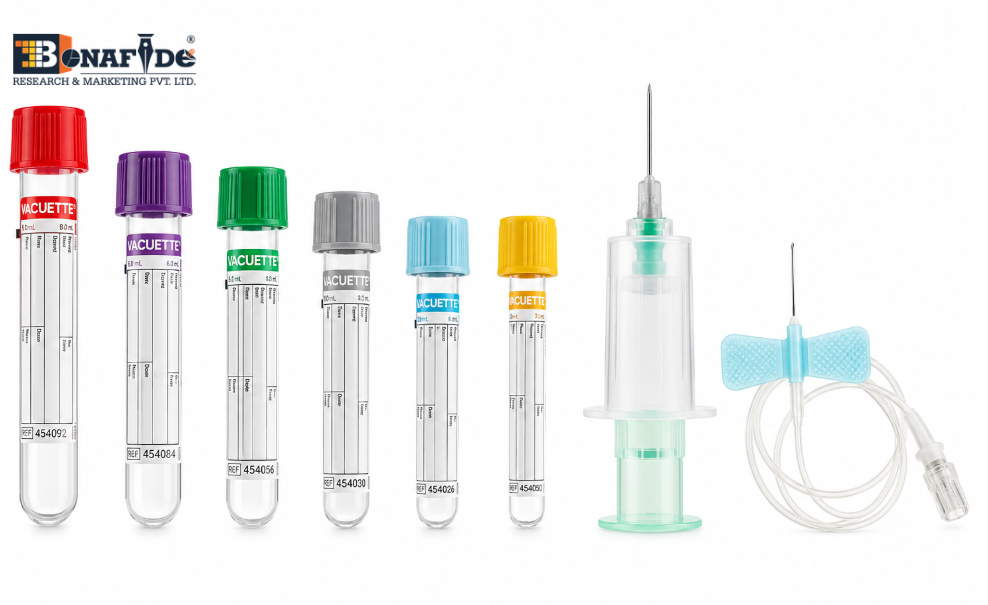
The Global Blood Collection Devices Market is expected to cross USD 13.08 Billion market size by 2031, with 7.14% CAGR by 2026-31, supported by the increasing prevalence of chronic and infectious diseases.
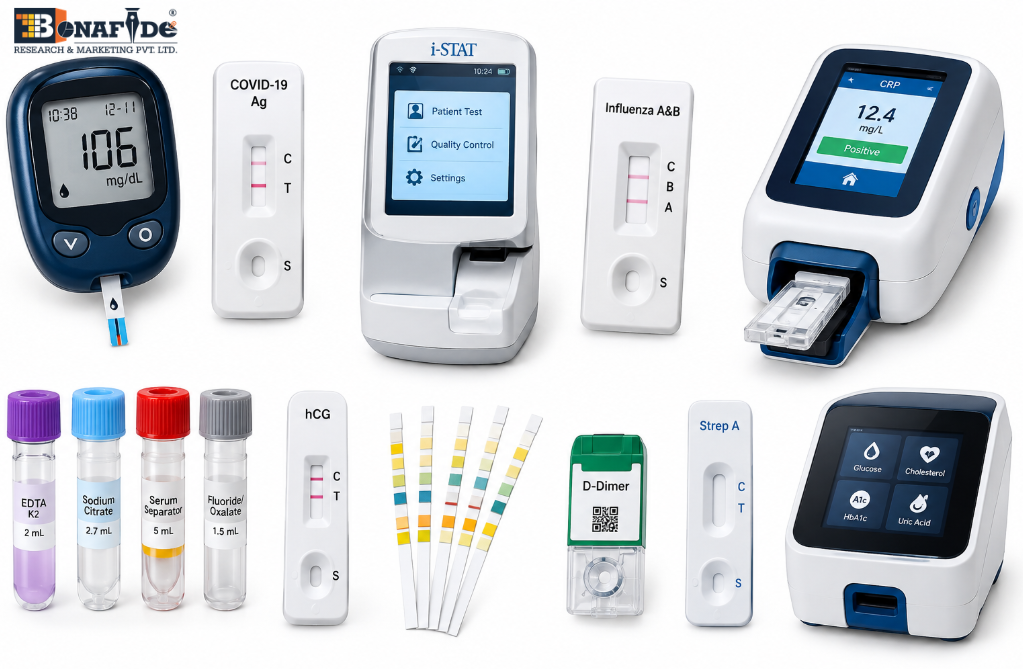
The Global Point-of-Care (POC) Diagnostics Market is expected to cross 76.46 Billion market size by 2031, with 8.01% CAGR by 2026-31.
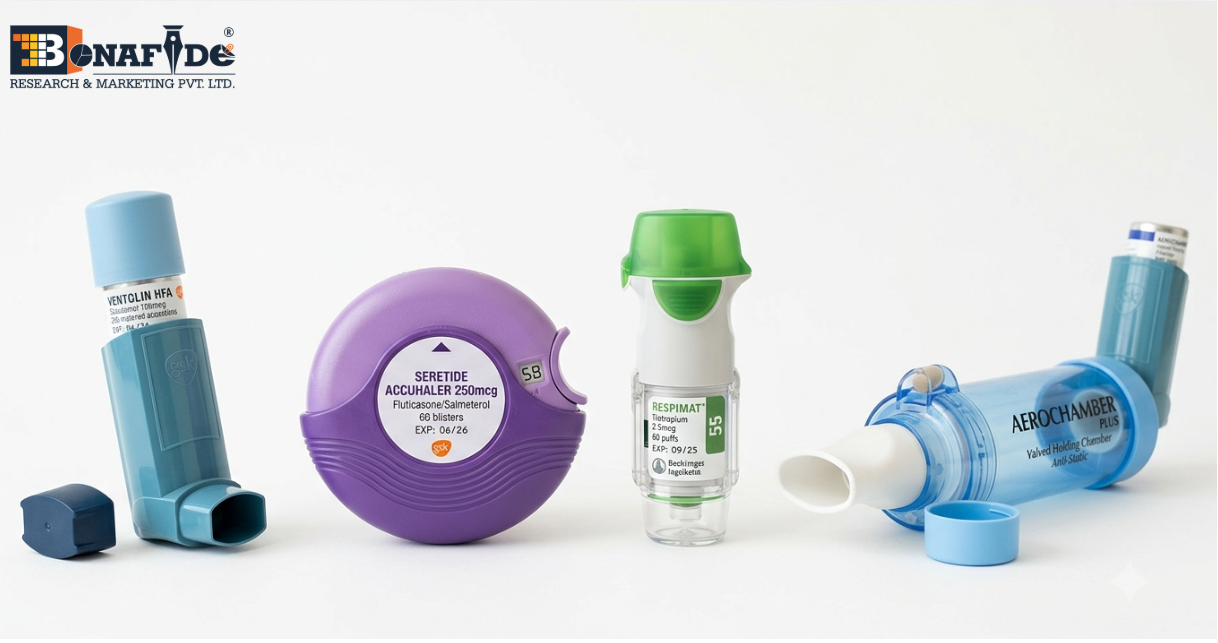
Global Inhalation Devices Market is expected to cross 41.79 billion market size by 2031, with 6.71% CAGR by 2026-31.
 We are friendly and approachable, give us a call.