The global
application performance management market is a rapidly expanding segment of the broader HR technology industry that focuses on
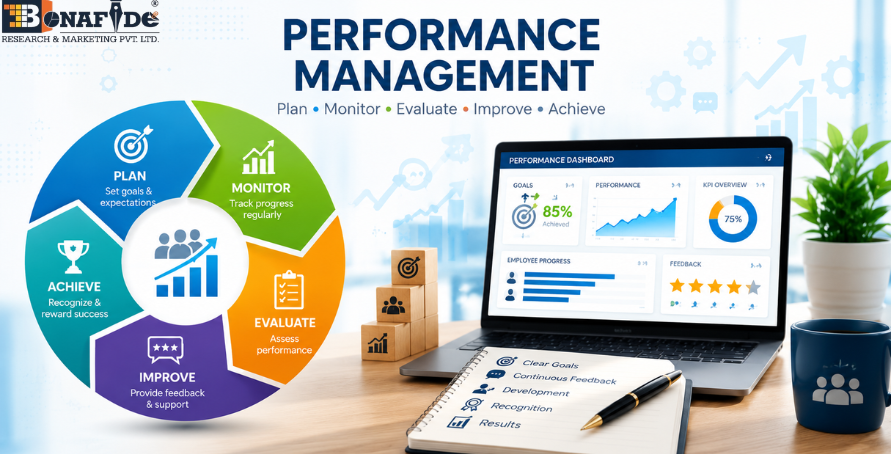
digital solutions used by organizations to evaluate, monitor, and improve employee performance through goal setting, continuous feedback, analytics, and competency tracking. It is driven by the increasing need for workforce productivity, digital HR transformation, and adoption of AI enabled analytics platforms that support
data driven decision making. Governments and regulatory bodies across regions are indirectly shaping this market through labor laws, pay transparency regulations, and data protection frameworks such as GDPR in Europe and evolving workforce compliance laws in the United States, which require organizations to maintain transparent, documented, and auditable employee performance records. In addition, upcoming regulations like pay equity and transparency directives in multiple countries are encouraging companies to adopt structured performance management systems to ensure fairness and compliance. These regulatory pressures are creating strong opportunities for market expansion, especially for cloud based and analytics driven platforms that can provide secure and traceable performance data management. Organizations are also investing in AI powered HR tools that can identify skill gaps, recommend personalized training, and improve employee engagement, making performance management a strategic business function rather than just an HR process. Vendors such as Workday, Oracle, SAP Success Factors, and Microsoft are continuously enhancing their platforms with machine learning,
predictive analytics, and automation features to meet evolving enterprise needs.
According to the research report "Global Application Performance Management Market Outlook, 2031," published by Bonafide Research, the Global Application Performance Management market was valued at more than USD 9.53 Billion in 2025, and expected to reach a market size of more than USD 20.00 Billion by 2031 with the CAGR of 13.48% from 2026-2031. Major players such as Workday, Oracle, SAP, and Microsoft are actively engaging in mergers and acquisitions to strengthen their product ecosystems, particularly in areas such as
artificial intelligence, people analytics, and employee experience platforms. For example, Workday’s acquisition of AI focused firms and its expansion into intelligent workforce automation reflects a broader industry trend where performance management is increasingly being integrated with predictive analytics and skills intelligence systems. Similarly, SAP has strengthened its SuccessFactors platform by forming strategic partnerships with major cloud providers like AWS, Microsoft Azure, and Google Cloud to enhance scalability, interoperability, and enterprise integration capabilities, which is a key driver of global adoption. These collaborations are reshaping the market by enabling seamless integration of performance management tools into broader enterprise resource planning systems, improving data flow across finance, HR, and operational functions. The growth of the market is also strongly influenced by subscription based SaaS models, which have made performance management solutions more accessible to organizations of all sizes, driving rapid global adoption and recurring revenue expansion for vendors. In terms of technology advancements, the industry is rapidly evolving toward AI driven performance coaching, automated feedback generation, and real time employee analytics, which are transforming traditional appraisal systems into continuous performance ecosystems.
The solutions segment is both the leading and fastest growing component in the global performance management market due to the increasing demand for comprehensive software platforms that streamline and automate employee performance evaluation processes across organizations of all sizes. Businesses are rapidly moving away from traditional manual appraisal methods and fragmented HR tools toward unified digital solutions that provide end to end capabilities such as goal setting, continuous feedback, performance tracking, competency management, and employee development planning. These solutions are highly preferred because they enable organizations to centralize all performance related data into a single system, which improves transparency, consistency, and decision making efficiency. One of the key drivers of this dominance is the growing need for automation in human resource management, as organizations seek to reduce administrative workload and eliminate inefficiencies associated with manual performance reviews. Performance management solutions integrate advanced analytics and reporting features that help HR teams identify top performers, detect skill gaps, and align workforce capabilities with business objectives. Another important factor is the rapid adoption of cloud based HR technologies, which has made solutions more accessible, scalable, and cost effective for both large enterprises and small and medium sized businesses. Cloud based solutions also support real time access to performance data, enabling managers and employees to provide continuous feedback and track progress from any location, which is especially important in hybrid and remote work environments. The integration of artificial intelligence and machine learning into performance management solutions has further accelerated their adoption by enabling predictive performance analysis, personalized employee feedback, and automated evaluation processes that improve accuracy and reduce bias.
Mobile access is emerging as the fastest growing segment in the global performance management market due to the increasing reliance on smartphones and mobile devices for everyday business operations and workforce communication. Organizations are rapidly adopting mobile enabled performance management platforms that allow employees and managers to access performance data, set goals, provide feedback, and track progress anytime and anywhere. One of the primary factors driving this growth is the rise of remote and hybrid work models, where employees are no longer tied to traditional office environments and require flexible tools that support continuous engagement and performance monitoring. Mobile access ensures that performance management is no longer limited to desktop systems or office based workflows, enabling real time interaction between employees and managers regardless of location. Another key factor contributing to growth is the increasing demand for instant feedback and continuous performance evaluation, as modern organizations are moving away from annual appraisal systems toward more dynamic and ongoing performance conversations. Mobile platforms make it easier to provide quick feedback, recognition, and updates, which improves employee engagement and productivity. Additionally, the widespread penetration of smartphones and improved mobile internet connectivity across both developed and emerging markets has significantly accelerated the adoption of mobile based performance management solutions. Employees today are highly comfortable using mobile applications for work related tasks, making mobile performance management tools more accessible and user friendly. Another important factor is the growing need for real time notifications and alerts, which mobile platforms effectively deliver, ensuring that employees and managers stay updated on goals, deadlines, and performance milestones.
Small and medium sized enterprises are emerging as the fastest growing segment in the global performance management market due to their increasing recognition of the importance of structured employee performance tracking and talent management in achieving business efficiency and competitiveness. Unlike large enterprises, SMEs traditionally relied on informal or manual performance evaluation methods, but with the rapid digitalization of business processes, they are now shifting toward cloud based performance management solutions that are cost effective, scalable, and easy to implement. One of the primary factors driving this growth is the affordability of modern SaaS based performance management platforms, which eliminate the need for heavy upfront infrastructure investment and allow SMEs to adopt advanced HR technologies on a subscription basis. This makes it feasible for smaller organizations with limited budgets to access tools that were previously available only to large enterprises. Another key factor is the increasing competition in local and global markets, which is pushing SMEs to optimize workforce productivity and improve employee engagement in order to sustain growth and profitability. Performance management systems help SMEs set clear goals, track employee performance, and identify skill gaps, enabling better decision making and improved operational efficiency. Additionally, the rise of remote and hybrid work environments has encouraged SMEs to adopt digital tools that allow them to manage distributed teams effectively through centralized performance tracking systems. Cloud based performance management platforms are particularly attractive to SMEs because they offer flexibility, real time access to data, and minimal maintenance requirements, making them highly suitable for resource constrained organizations.
Cloud deployment is the fastest growing segment in the global performance management market due to the increasing shift of organizations toward flexible, scalable, and digitally enabled human resource management systems that can be accessed from anywhere at any time. One of the primary factors driving this growth is the rising adoption of remote and hybrid work models, which require centralized platforms that allow employees and managers to manage performance activities without being restricted by physical office locations. Cloud based performance management systems enable real time access to employee data, goal tracking, feedback mechanisms, and performance analytics, making them highly suitable for distributed workforces. Another key factor is the cost effectiveness of cloud solutions, as they eliminate the need for heavy upfront investments in IT infrastructure, hardware, and maintenance, allowing organizations to adopt a subscription based model that is more affordable and flexible. This is particularly beneficial for small and medium sized enterprises as well as large organizations looking to optimize operational costs. Additionally, cloud deployment offers
high scalability, enabling companies to easily expand or reduce usage based on workforce size and business requirements without major system overhauls. The ease of deployment and automatic updates provided by cloud platforms further accelerate their adoption, as organizations can quickly implement new features and security enhancements without disrupting daily operations. Another important factor is the integration capability of cloud based systems, which allows seamless connectivity with other enterprise applications such as payroll systems, learning management platforms, and recruitment tools, creating a unified digital HR ecosystem.
The retail and e commerce sector is emerging as the fastest growing end user industry in the global performance management market due to its rapidly expanding workforce, high customer interaction intensity, and strong focus on sales performance and operational efficiency. One of the primary factors driving this growth is the explosive expansion of e commerce platforms and digital retail channels, which require large, distributed, and performance driven teams to manage sales, customer service,
logistics, and marketing operations. These organizations depend heavily on employee productivity and efficiency, making performance management systems essential for tracking individual and team performance in real time. Another key factor is the highly competitive nature of the retail and e commerce industry, where businesses continuously strive to improve customer experience, increase conversion rates, and enhance sales performance. Performance management solutions help organizations set clear targets for employees, monitor key performance indicators, and provide continuous feedback to improve productivity and service quality. Additionally, the rise of omnichannel retailing has increased the complexity of workforce management, as employees operate across physical stores, online platforms, and mobile channels, requiring integrated systems to ensure consistent performance evaluation across all touchpoints. The seasonal and demand driven nature of retail also contributes to the need for flexible performance tracking systems that can adapt to fluctuating workloads during peak shopping periods such as festivals, holidays, and promotional events.











 We are friendly and approachable, give us a call.