The global
nickel sulfate market is witnessing remarkable growth, fueled by its essential role in the production of
lithium-ion batteries for electric vehicles (EVs) and
renewable energy storage systems. As a high-purity precursor material, nickel sulfate is indispensable for advanced
battery chemistries such as NCM (Nickel-Cobalt-
Manganese) and NCA (Nickel-Cobalt-
Aluminum), which are increasingly preferred for their high energy densities and performance. The surging demand for electric vehicles, driven by global decarbonization initiatives and government incentives, has positioned nickel sulfate as a critical raw material in the energy transition. Beyond battery applications, nickel sulfate is widely utilized in electroplating to improve the corrosion resistance, durability, and aesthetic finish of metals, serving industries such as automotive, electronics, and construction. The market growth is further supported by continuous technological advancements, including improved battery production techniques, enhanced recycling methods, and innovations in solid-state battery research, all of which contribute to more efficient and sustainable use of nickel sulfate. Major producers are strategically investing in expanding production capacity, securing long-term supply agreements, and establishing vertically integrated operations to meet the increasing global demand. The rising awareness of environmental and regulatory standards also encourages manufacturers to adopt greener practices, which further boosts market credibility and long-term growth potential. With the convergence of increasing EV adoption, technological innovation, and sustainable practices, the nickel sulfate market is poised to expand significantly, creating opportunities for manufacturers, investors, and end-users alike.
According to the research report "Global Nickel Sulfate Market Outlook, 2030," published by Bonafide Research, the Global Nickel Sulfate market was valued at more than USD 8.17 Billion in 2024, and expected to reach a market size of more than USD 16.21 Billion by 2030 with the CAGR of 12.35% from 2025-2030. Nickel-rich cathode chemistries like NCM and NCA are increasingly used in lithium-ion batteries for EVs, requiring high-purity nickel sulfate, which has led to surging demand from battery manufacturers. In addition to EV applications, nickel sulfate is widely employed in electroplating processes, enhancing corrosion resistance,
surface durability, and aesthetics of metal products. This makes the automotive, electronics, and construction industries major consumers of nickel sulfate, further supporting market expansion. Technological advancements, including the development of solid-state batteries and improvements in nickel recycling techniques, are expected to optimize the use of nickel sulfate, enhance sustainability, and reduce costs, offering new growth opportunities for manufacturers. Regionally, Asia-Pacific dominates the global nickel sulfate market due to the presence of major EV production hubs in China, Japan, and South Korea. China, in particular, holds a significant share of global production and consumption, driven by extensive investments in battery manufacturing infrastructure. Europe and North America are also witnessing growth, with strategic initiatives aimed at establishing resilient domestic supply chains and increasing production capacity to support energy storage and EV adoption. Despite strong growth, the market faces challenges such as supply chain disruptions, geopolitical tensions affecting trade, fluctuating raw material prices, and environmental concerns linked to nickel mining and processing. These challenges, however, are also driving innovations in sustainable mining methods, recycling technologies, and alternative materials that can reduce dependence on primary nickel sources.
Battery-grade nickel sulfate, known for its high purity and precise chemical composition, dominates the global nickel sulfate market due to the surging demand for
electric vehicle (EV) batteries and advanced energy storage systems. Unlike technical or industrial-grade variants, battery-grade nickel sulfate must meet stringent quality standards, ensuring minimal impurities and consistent performance in lithium-ion battery cathodes. High-purity nickel sulfate is crucial for manufacturing NCM (Nickel-Cobalt-Manganese) and NCA (Nickel-Cobalt-Aluminum) cathode materials, which are widely used in EV batteries because they offer high energy density, longer lifecycle, and improved thermal stability. As governments worldwide promote EV adoption through incentives, subsidies, and stricter emission norms, the production of high-performance batteries has accelerated, directly increasing the demand for battery-grade nickel sulfate. Additionally, the rise of renewable energy systems, including grid-scale storage solutions, requires reliable, long-lasting batteries that depend on consistent high-purity raw materials. Asia-Pacific, particularly China, South Korea, and Japan, plays a pivotal role in consuming battery-grade nickel sulfate due to its dominance in battery manufacturing and EV production. Moreover, technological advancements in battery chemistries and manufacturing processes have further strengthened the preference for high-purity materials, as even minor impurities can affect battery efficiency, charging rates, and safety. Manufacturers are increasingly focused on quality assurance, traceability, and sustainable sourcing to meet the rigorous standards of automotive and energy storage industries.
Nickel sulfate is an essential precursor for synthesizing nickel-rich cathode materials such as NCM and NCA, which are widely used in EV batteries due to their superior energy density, extended cycle life, and enhanced thermal stability. The global transition toward clean energy, coupled with stringent emission regulations and government incentives for EV adoption, has significantly increased the demand for high-performance batteries, directly boosting the consumption of nickel sulfate for cathode production. Beyond the automotive sector, grid-scale energy storage and portable electronics are also contributing to the expanding demand, as battery performance and efficiency heavily rely on the purity and consistency of nickel sulfate used in cathodes. Asia-Pacific dominates this application segment due to the presence of leading battery manufacturers and EV producers in countries such as China, Japan, and South Korea, who prioritize high-quality materials to ensure competitive performance. Advances in battery technology, including the development of high-nickel cathodes, solid-state batteries, and improved recycling techniques, further reinforce nickel sulfate’s critical role in battery applications. Moreover, the focus on sustainable and reliable supply chains has led manufacturers to invest in refining processes and sourcing strategies that guarantee consistent nickel sulfate quality for cathode production. While challenges like nickel price fluctuations and geopolitical trade concerns exist, they have prompted innovations in efficient production, material recovery, and alternative sourcing, ensuring uninterrupted supply to meet battery demand.
The automotive and electric vehicle (EV) sector represents the largest application segment in the global nickel sulfate market due to the unprecedented growth of the EV industry and the ongoing transition toward clean mobility. Nickel sulfate is a critical raw material for manufacturing high-performance lithium-ion batteries, particularly for NCM (Nickel-Cobalt-Manganese) and NCA (Nickel-Cobalt-Aluminum) cathodes, which are widely used in EV batteries for their superior energy density, longevity, and thermal stability. The automotive industry’s pivot toward electrification, driven by global emission reduction targets, stricter regulatory standards, and government incentives for EV adoption, has sharply increased the demand for nickel sulfate. Traditional internal combustion engine (ICE) vehicles consume nickel sulfate primarily through electroplating applications to improve corrosion resistance and surface durability of automotive components. However, the rapid shift to electric vehicles has amplified the importance of nickel sulfate in battery production, making automotive and EV applications the dominant market segment. Leading automakers in China, Europe, and North America are expanding EV production capacities, which directly impacts the consumption of battery-grade nickel sulfate. Moreover, advancements in EV battery technology, such as high-nickel cathode formulations and improved energy storage systems, further strengthen the reliance on nickel sulfate to enhance performance, range, and lifecycle. Asia-Pacific, especially China, leads this segment, accounting for the majority of EV production and consumption of nickel sulfate.
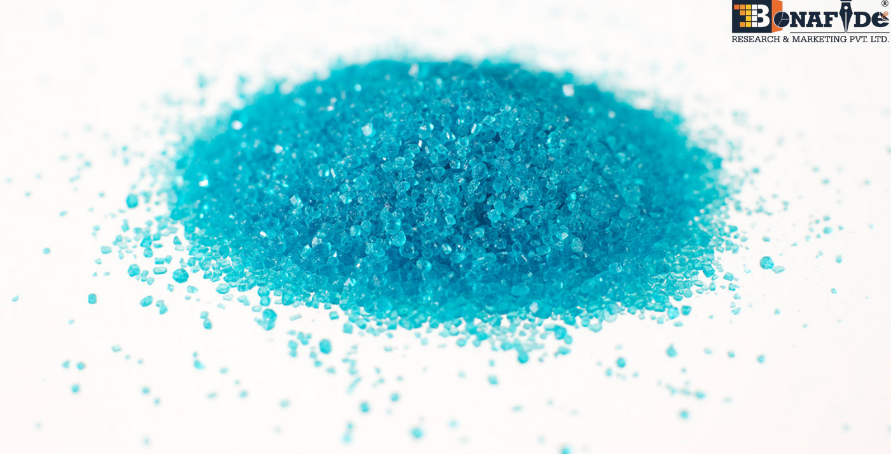
Crystalline nickel sulfate, particularly in the hexahydrate form, is the largest type in the global nickel sulfate market due to its high solubility, stability, and suitability for a wide range of industrial and battery applications. The hexahydrate form is preferred in lithium-ion battery manufacturing as it ensures consistent chemical composition, purity, and ease of processing into cathode materials like NCM and NCA. Its crystalline structure allows precise control over nickel ion content, which is critical for maintaining battery performance, energy density, and longevity. Beyond battery applications, nickel sulfate hexahydrate is widely used in electroplating, pigments, and chemical synthesis, making it versatile across industries. The production process of the crystalline form allows for high purity levels and uniform particle size, meeting the stringent requirements of both the automotive and electronics sectors. Asia-Pacific dominates the consumption of crystalline hexahydrate due to the region’s strong battery manufacturing infrastructure, high EV production, and substantial electroplating industries. Technological advancements in battery chemistry, coupled with increasing demand for high-nickel cathodes, further reinforce the preference for the hexahydrate form, as minor impurities or variations in composition can significantly impact performance and safety. The crystalline form also facilitates easier handling, storage, and transportation compared to other nickel sulfate variants, reducing operational risks for manufacturers. While supply chain challenges and price volatility present potential obstacles, investments in refining technologies and sustainable sourcing practices ensure a stable supply of high-quality crystalline nickel sulfate.







 We are friendly and approachable, give us a call.