

 By Raj Shrivastav
 Healthy choices from vending machines, the new snack revolution
The global vending machine market is expected to reach USD 34.63 billion by 2030, growing at an 8.06% CAGR from 2025 to 2030.

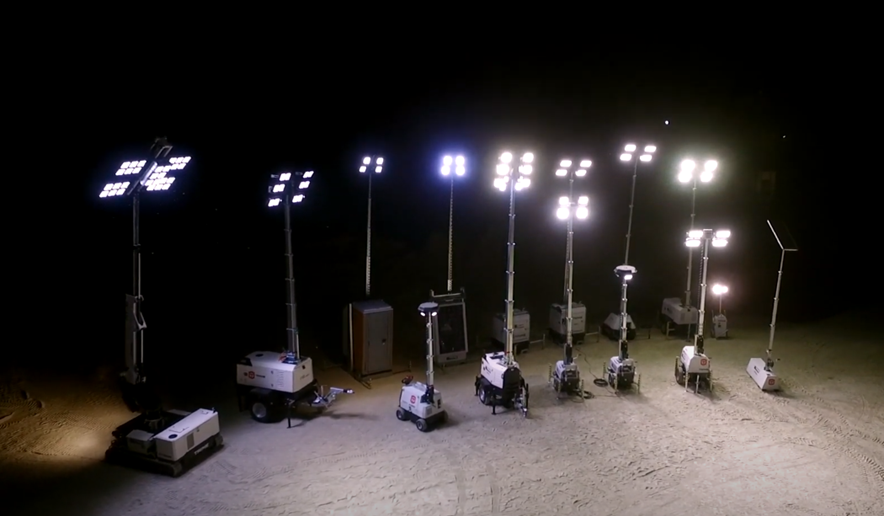
The work light market is experiencing significant growth, driven by advancements in technology, increasing demand for energy-efficient solutions, and the rise of industrial and construction activities worldwide. Work lights are essential tools for professionals in sectors like construction, automotive repair, and emergency services, providing reliable illumination in low-light conditions. Today, the market is evolving with the introduction of LED technology, portable designs, and smart features. These innovations are not only enhancing productivity but also reducing energy consumption and operational costs. This blog explores the latest trends, their impact on the industry, key product segments, and the future outlook of the work light market. Whether you're a manufacturer, retailer, or end-user, understanding these trends will help you stay ahead in this dynamic market.
The work light market is undergoing a significant transformation, with LED technology spearheading this evolution as the dominant force in the industry. LEDs have rapidly replaced traditional halogen and incandescent bulbs due to their unparalleled energy efficiency, extended lifespan—often exceeding 50,000 hours—and superior brightness, which ensures optimal visibility in demanding work environments. This shift is particularly evident in industrial and construction sectors, where the need for reliable, long-lasting illumination is critical. Another notable trend reshaping the market is the rising demand for portable and cordless work lights, which cater to professionals seeking convenience and flexibility. Battery-powered models, especially those equipped with high-capacity rechargeable lithium-ion batteries, have gained immense popularity among electricians, mechanics, and emergency responders who require mobility without compromising performance. These lights often feature quick-charging capabilities and extended runtimes, making them ideal for on-the-go applications. Additionally, the integration of smart technology is revolutionizing work lights, with advanced features such as adjustable brightness levels, motion sensors, and Bluetooth connectivity becoming increasingly common. These innovations not only enhance user experience but also improve safety and efficiency in various work settings. For instance, motion-activated lights can automatically illuminate dark spaces, reducing the risk of accidents, while Bluetooth-enabled models allow users to control settings remotely via smartphone apps. Consumer preferences continue to lean toward tech-savvy and sustainable solutions, manufacturers are prioritizing these advancements to stay competitive in a rapidly evolving market.
The shift toward LED and portable work lights is fundamentally reshaping the lighting industry, driving manufacturers to rethink their product development strategies. Companies are making substantial investments in research and development to create next-generation lighting solutions that align with the evolving needs of modern workplaces. These innovations include not only energy-efficient LEDs but also rugged, weather-resistant designs for harsh job sites, as well as smart features like app-controlled lighting and automatic brightness adjustment. For consumers, this technological progress translates to access to more durable, efficient, and user-friendly lighting tools that enhance productivity while reducing energy costs. Retailers are responding to these advancements by expanding their inventories to feature a wider selection of these high-performance options, often accompanied by educational marketing to help buyers understand the benefits of upgrading from traditional lighting. However, the transition isn't without its challenges. The higher initial cost of LED work lights remains a significant barrier for budget-conscious buyers, particularly in price-sensitive markets. While the long-term savings from reduced energy consumption and lower replacement costs justify the investment, convincing customers to pay more upfront requires effective communication about total cost of ownership. Another pressing issue is the influx of low-quality, imported work lights that flood the market at bargain prices. These products often fail to meet performance and safety standards, eroding consumer trust and creating a race-to-the-bottom pricing environment that puts pressure on reputable brands. For forward-thinking businesses, these market dynamics present clear opportunities to stand out.
The work light market can be effectively segmented across three key dimensions: product type, application, and power source, each revealing distinct trends and opportunities. LED work lights currently dominate the product type segment, capturing significant market share due to their superior energy efficiency, extended lifespan, and versatile applications. Within the LED category, handheld models remain indispensable for mobile professionals like electricians and auto mechanics, while tripod-mounted variants are preferred for stationary work in construction and manufacturing settings where hands-free operation is crucial. A particularly noteworthy niche is the explosion-proof work light segment, which has seen robust growth in response to stringent workplace safety regulations. These specialized lights, featuring durable, spark-proof housings and intrinsically safe circuitry, have become essential in high-risk environments such as oil refineries, chemical plants, and mining operations where flammable gases or dust are present. Manufacturers are increasingly investing in certifications like ATEX and IECEx to meet the exacting standards of these hazardous locations, creating a premium market segment with strong margins. Market growth is primarily fueled by three powerful drivers: rapid urbanization requiring extensive construction activity, global infrastructure development projects, and the accelerating transition to energy-efficient lighting solutions driven by both economic and environmental considerations. Emerging opportunities include the integration of smart technologies like motion sensors and IoT connectivity into traditional work lights, as well as strategic expansion into developing markets experiencing industrial booms, particularly in Southeast Asia and Africa. Companies that can combine rugged reliability with intelligent features while addressing the specific needs of different industry verticals are poised to capture significant market share in this evolving landscape.
The future of the work light market looks promising, with continued innovation expected to drive growth. Emerging technologies like solar-powered work lights and IoT-enabled smart lighting systems are set to revolutionize the industry. These advancements will further enhance energy efficiency and user convenience. Businesses should focus on sustainability and customization to stay competitive. Offering modular designs or lights tailored to specific industries can create a competitive edge. For consumers, staying informed about the latest trends will ensure they make the best purchasing decisions. As the market evolves, collaboration between manufacturers, retailers, and policymakers will be key to addressing challenges like standardization and environmental impact. By embracing these trends, stakeholders can illuminate a path to success in the dynamic work light market.
See how you can up your career status
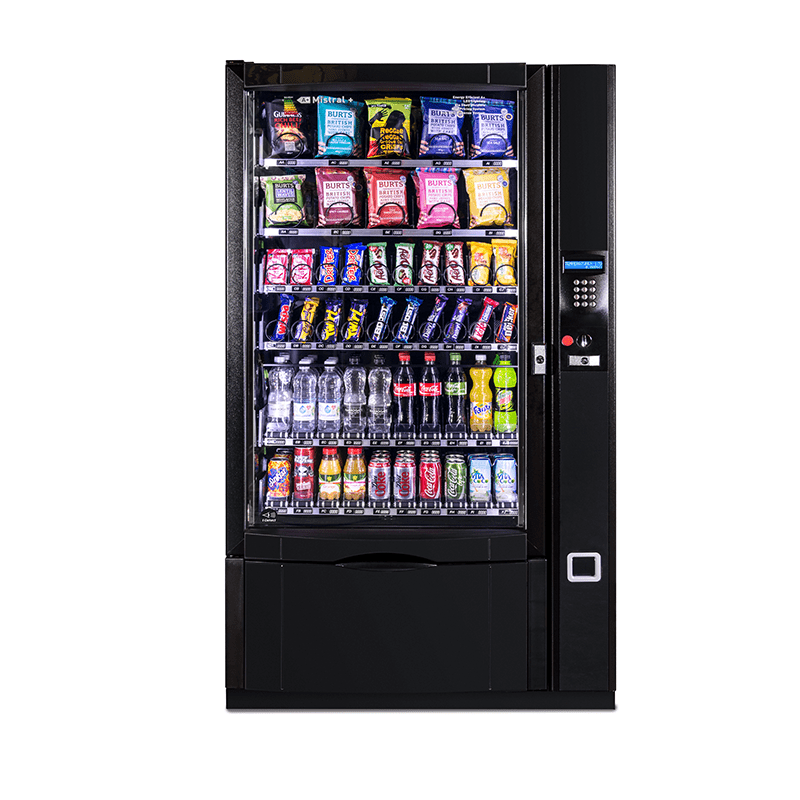
The global vending machine market is expected to reach USD 34.63 billion by 2030, growing at an 8.06% CAGR from 2025 to 2030.

The Global Commercial Cooking Equipment Market is expected to reach USD 20.98B by 2030, driven by innovations in smart and energy-efficient appliances.
 We are friendly and approachable, give us a call.