

 By Raj Shrivastav
 Trends Shaping the Work Light Market
The global work light market, projected to reach USD 49.58 billion by 2030, is driven by growth in battery-powered and rechargeable work light solutions.

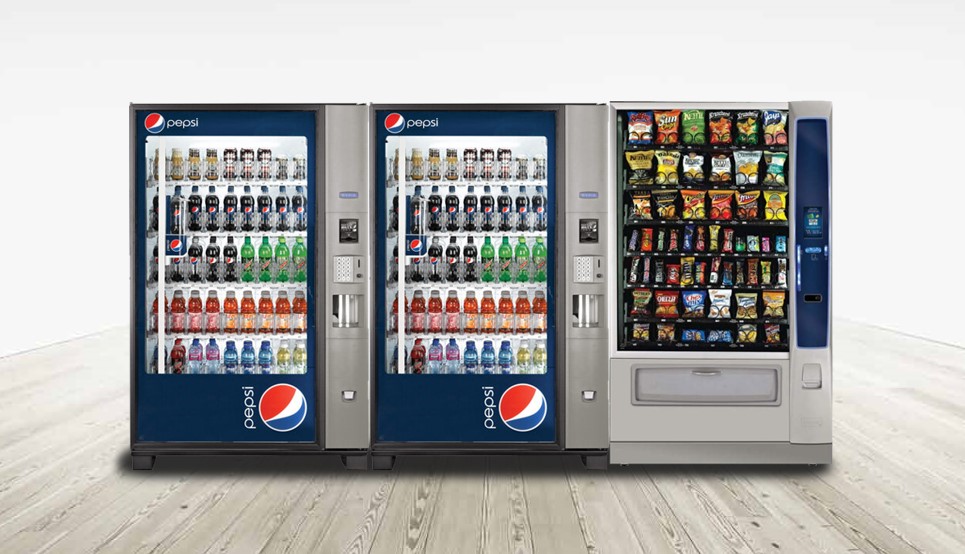
Since only providing beverages and snacks, vending machines have made significant progress. They are now at the intersection of convenience, automation, and innovation, representing a rapidly changing retail solution. Vending machines are responding to the rising consumer demand for immediate, contactless, and around-the-clock access to goods with intelligent, technology-driven capabilities that cater to contemporary lifestyles. These devices now provide a wide range of items, including fresh produce, electronics, beauty products, and PPE, in addition to chips and candy. The growth of "smart vending machines," automated units that use real-time inventory monitoring, cashless payments, IoT, and AI, is the main factor behind this change. They help businesses improve customer experience, streamline operations, cut labor expenses, and increase their retail footprint without the usual overhead. This blog examines the reasons behind the revolution in the vending machine industry in the digital age and the role it is playing in the future of automated retail.
The vending machine business is changing dramatically, moving away from conventional snack dispensers and toward more complex, intelligent retail centers. The growing demand for convenience and contactless transactions, technological breakthroughs, and shifts in consumer behavior are all contributing to this shift. Modern vending machines include facial recognition, touchscreens, mobile payment options, and even artificial intelligence to provide customized product recommendations. The range of goods available in these devices has increased from snacks and drinks to include cosmetics, electronics, over-the-counter medications, and even fresh food. Operators can monitor inventory levels, track consumer choices, and manage maintenance remotely by integrating the Internet of Things (IoT), which improves efficiency and lowers downtime. By guaranteeing product availability and smooth, rapid transactions, this intelligent feature also improves the customer experience. Retailers and companies see vending machines as a cheap, flexible way to reach consumers in crowded or underserved markets without the expense of a complete storefront. The increase in environmentally conscious and health-conscious customers has led to the introduction of equipment providing organic, gluten-free, vegan, and locally produced foods, increasing their attractiveness. Vending machines are becoming more and more popular as a necessary, on-the-go solution for contemporary life in airports, offices, schools, gyms, and even homes. As more businesses adopt vending as a versatile and customer-centric retail solution, the trend towards data-driven retail experiences and automation is predicted to pick up speed. In essence, the vending machine market is being reimagined as an integral element of the future retail landscape, rather than simply as a point of sale.
The retail and service industries are experiencing a significant transformation as a result of the transition to smart and automated vending machines. These machines provide retailers with a novel and affordable way to grow their market without investing in more personnel or brick-and-mortar establishments. They provide access to high-traffic locations like airports, hospitals, and office buildings areas where conventional retail options may be scarce as well as round-the-clock operation and reduced overhead. Manufacturers gain by acquiring new direct-to-consumer channels that enable real-time data collection, which facilitates improved forecasting, inventory management, and product placement tactics. With features like contactless payments, carefully chosen product options, and easy-to-use touchscreens, customers are now able to enjoy a more tailored and pleasurable experience. However, this trend also has its drawbacks in spite of its benefits. For small enterprises in particular, the upfront expense of implementing smart vending systems can be significant. Integrating new technology always involves a learning curve, and maintenance and software updates require expert assistance. Furthermore, for more delicate purchases like electronics or medications, some consumers may be wary of relying on machines. The advantages, however, are persuasive: more efficient operations, increased product availability, and innovative avenues for customer interaction via loyalty programs and interactive interfaces. Another significant benefit is the capacity to gather and evaluate data on consumer behavior, which enables businesses to make better judgments. In the end, smart vending is not only making things easier; it's changing the way products are sold, used, and delivered, laying the groundwork for a retail future that is more flexible, automated, and focused on the customer.
Food and beverage vending machines remain the most popular product category among the several different kinds of vending machines that are now available. These devices have made great strides since merely distributing packaged goodies and beverages. Contemporary food and beverage vending machines now provide a wide array of choices, such as organic snacks, specialty coffees, cold-pressed juices, hot meals, and fresh salads. The increasing need for meals that can be consumed while on the go, notably in cities, workplaces, schools, and transportation hubs, has been a major factor in the expansion of this industry. As consumers want convenience more and more without sacrificing quality or health, operators are responding by stocking healthier and more varied products to meet changing tastes. The increasing use of cashless, touchless payment methods, the growing urbanization, and the demand for round-the-clock food availability are all major factors contributing to the expansion of this product category. Technological advancements like temperature control, smart inventory tracking, and real-time monitoring have also improved product freshness and decreased waste, making food vending machines more effective and dependable. These devices offer brands and retailers the chance to employ them as micro-retail hubs that not only sell food but also function as marketing platforms, with customized screens that can show promotional information, collect customer data, and make product recommendations based on purchasing behavior. Although there are issues with things like regulatory compliance and inventory logistics related to food safety, vending machines for food and beverages are a key component of the contemporary vending business because of their reach, efficiency, and consumer happiness, and they also have plenty of potential for future development and innovation.
The vending machine industry's future is heading toward a retail experience that is more interactive, intelligent, and integrated, propelled by fast technological breakthroughs and shifting consumer expectations. Vending machines are predicted to transform into totally digitalized micro-retail outlets capable of selling everything from customized meals to expensive gadgets as automation spreads. Integration with digital wallets and mobile apps will simplify transactions, while artificial intelligence will be crucial for forecasting purchasing behavior, managing inventory, and customizing recommendations. Biometric authentication, voice commands, and facial recognition are examples of emerging technologies that might become common features, increasing usability and security. Future advancements in vending will also be impacted by sustainability, with devices made to incorporate real-time waste management, energy-efficient systems, and environmentally friendly packaging. The increased use of self-service convenience and unmanned retail will also increase the installation of vending machines in unusual places, such as gyms, apartment buildings, public transportation hubs, and coworking spaces. To adapt, companies should invest in data analytics, user-friendly interfaces, and flexible restocking models to meet on-demand consumption patterns. Customers can expect a more engaging, intuitive buying experience that mirrors online shopping but in a physical, instant-access format. In order to remain competitive in this rapidly changing environment, stakeholders whether they be manufacturers, retailers, or service providers must prioritize agility and customer-centric design. In the end, vending machines are expected to evolve into more than just dispensers; they will become intelligent, connected points of service that revolutionize retail accessibility and convenience for a digital-first world.
See how you can up your career status
.jpeg)
The global work light market, projected to reach USD 49.58 billion by 2030, is driven by growth in battery-powered and rechargeable work light solutions.
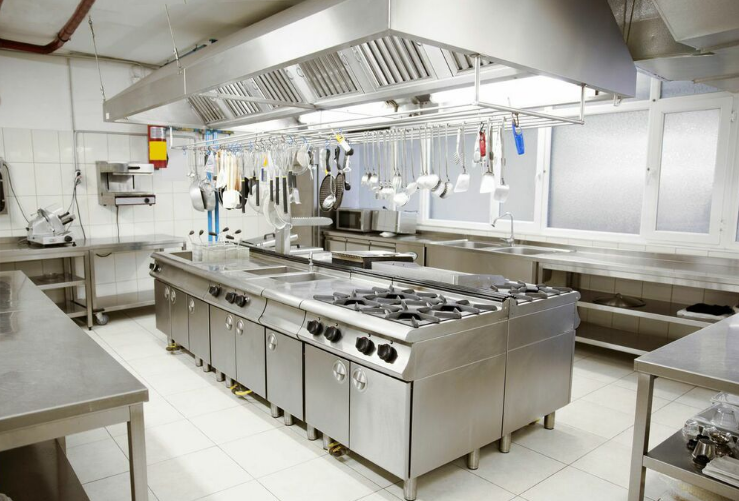
The Global Commercial Cooking Equipment Market is expected to reach USD 20.98B by 2030, driven by innovations in smart and energy-efficient appliances.
 We are friendly and approachable, give us a call.