

 By Raj Shrivastav
 Trends Shaping the Work Light Market
The global work light market, projected to reach USD 49.58 billion by 2030, is driven by growth in battery-powered and rechargeable work light solutions.

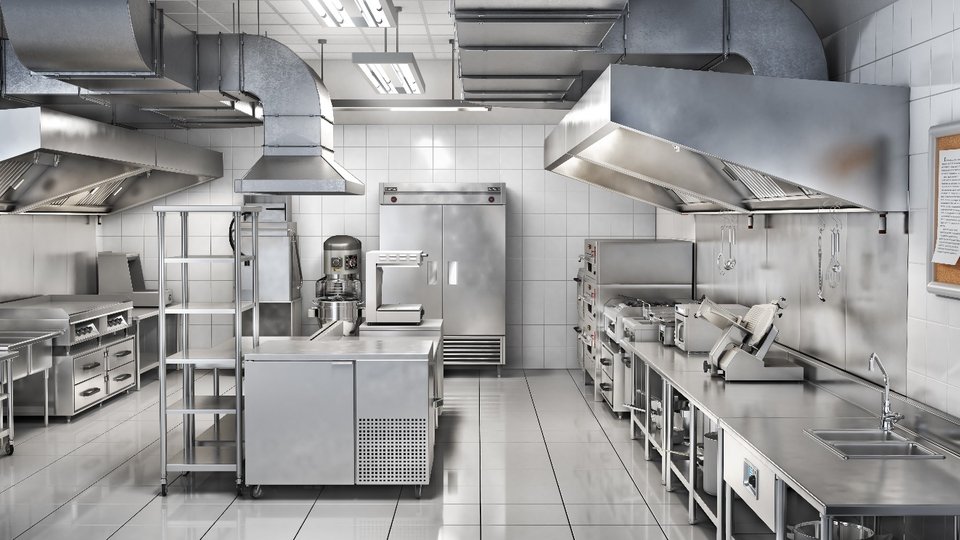
The need for efficiency, consistency, and sustainability in today's high-paced food service sector is driving change in commercial kitchens, and at the center of this change is cutting-edge commercial cooking technology. Investing in intelligent, energy-efficient, and versatile cooking equipment has become crucial as cloud kitchens, hotels, and restaurants work to satisfy rising customer expectations and address labor shortages. Modern appliances are transforming food preparation, cooking, and presentation, from induction ranges and programmable ovens to automated fryers. The primary factor behind this change is the integration of technology and automation into kitchen processes, which aids companies in lowering waste, saving time, and enhancing the quality of their food. The drive for sustainability is promoting the use of energy-efficient devices that meet green requirements. This blog examines how commercial cooking gear is revolutionizing the culinary world and explains why switching to more intelligent, tech-based solutions is no longer an option but rather the new industry norm.
The rising need for smart technology, automation, and energy efficiency in professional kitchens is fueling a major shift in the commercial cooking equipment sector. The movement towards programmable, multi-functional machinery that simplifies procedures and lowers the need for physical labor is one of the most noteworthy trends. Kitchen operators are turning to equipment that can do more with less, such as combination ovens that can steam, bake, and roast in one unit, or fryers with built-in filtration systems to extend oil life and enhance food quality, as the foodservice industry adjusts to labor shortages and increasing operating expenses. The integration of IoT connectivity and digital controls is another key trend, giving chefs and managers the ability to oversee performance, manage maintenance requirements, and manage cooking operations from a distance. This degree of automation reduces operational mistakes and downtime while simultaneously increasing consistency. With companies prioritizing environmentally friendly procedures and adhering to environmental rules, energy-efficient appliances and low-emission cooking systems are becoming more and more popular, demonstrating the crucial role that sustainability is playing. The growth of ghost kitchens, food trucks, and modular cooking spaces is influencing the way commercial cooking equipment is developed, with a strong focus on compact, portable, and simple-to-install solutions. The focus is shifting to gear that conserves room without sacrificing quality. This tendency is indicative of a larger industry trend towards digital transformation and flexibility. In order to satisfy these demands, manufacturers are moving quickly, and more companies are realizing that sophisticated culinary gear is a need rather than a luxury if they want to remain competitive and current in the modern food service sector.
The foodservice industry is undergoing a major revolution as a result of the advent of sophisticated commercial cooking appliances, which are changing the way kitchens are run and how food is produced, served, and eaten. This trend has fueled innovation among manufacturers, who are now creating smart, energy-efficient, and space-saving appliances designed to meet the demands of contemporary kitchens. They're adding features like remote diagnostics, automated cooking programs, and touchscreen controls to improve usability and minimize downtime. In response, retailers are changing their product lines to meet the rising demand for adaptable and high-tech solutions, frequently targeting a wider clientele that includes both big restaurants and smaller cloud kitchens and mobile food carts. This change results in faster service, more consistent quality, and a wider selection of options on the menu for customers. The dining experience is improved because kitchens can handle complex orders with ease and meals are made more efficiently. But there are obstacles, notably the steep initial expenses and the learning curve involved in implementing new technology. Smart systems aren't available to every business, particularly smaller or more established companies, and they may not be able to adjust quickly. In spite of these difficulties, the advantages are significant. Compact, multi-functional appliances free up valuable kitchen space, automation lowers human error, and increased energy efficiency results in long-term cost savings. This change is helping foodservice businesses expand operations, uphold hygiene standards, and compete in a market that is always changing. The whole industry is moving toward a more tech-driven, responsive, and sustainable future as a result of this ongoing trend.
Combi ovens have become one of the top product kinds among the numerous varieties of commercial cooking equipment, transforming professional kitchens with their versatility, efficiency, and technological complexity. Chefs may prepare a wide range of foods with accuracy and consistency with combi ovens, which integrate steam, convection, and a combination of both cooking methods into one device. Their capacity to manage several cooking activities at once makes them especially useful in high-volume kitchens, such as those in restaurants, hotels, and institutional foodservice establishments. The increasing popularity of combi ovens is partly attributable to the increasing desire for space optimization and operational efficiency. Kitchens must now accomplish more with fewer resources less room, fewer employees, and less energy in the current fast-paced foodservice industry. By substituting several appliances and shortening cooking times without compromising food quality, combi ovens overcome these restrictions. The rising emphasis on healthy cooking is another significant factor, since the steam function allows for the preparation of nutrient-dense food without extra oils or fats. As manufacturers include intelligent features such as programmable settings, remote monitoring, and real-time data tracking, opportunities are still growing. Because they help lower labor reliance, minimize errors, and guarantee consistent outcomes, these advances are particularly attractive to cloud kitchens and chains. Combi ovens provide an environmentally beneficial answer that fits with sustainability objectives as energy efficiency takes center stage. Combi ovens are not just a fad; their unrivaled adaptability and increasing usage throughout sectors indicate a change in how modern kitchens are designed and operated for the future.
See how you can up your career status
.jpeg)
The global work light market, projected to reach USD 49.58 billion by 2030, is driven by growth in battery-powered and rechargeable work light solutions.
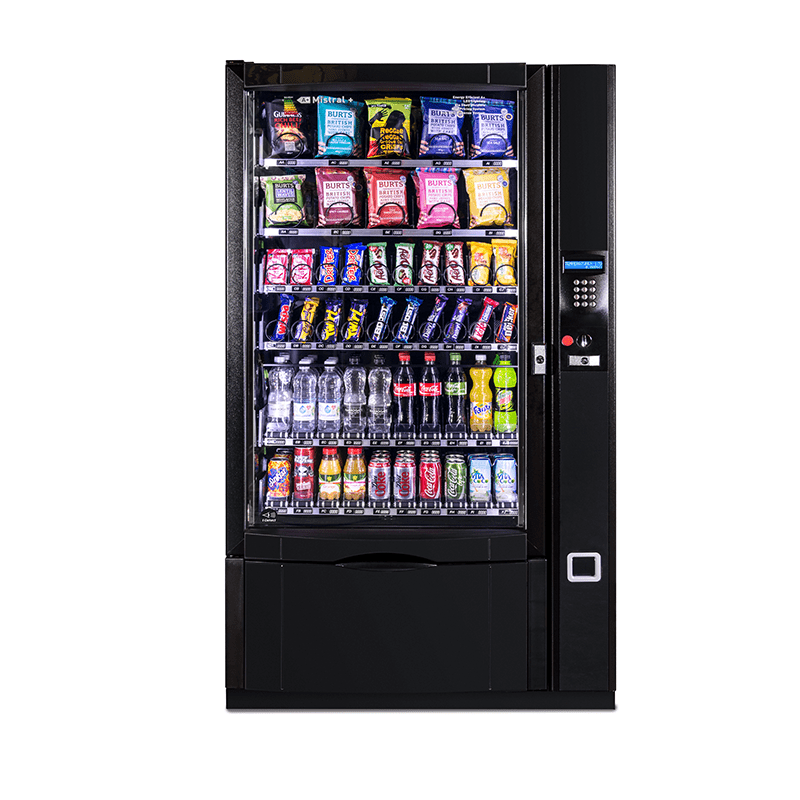
The global vending machine market is expected to reach USD 34.63 billion by 2030, growing at an 8.06% CAGR from 2025 to 2030.
 We are friendly and approachable, give us a call.