

Top 6 Vending Machine Companies in the Global Market
Global Vending Machine Market is projected to reach market size of USD 34.63 Billion by 2030

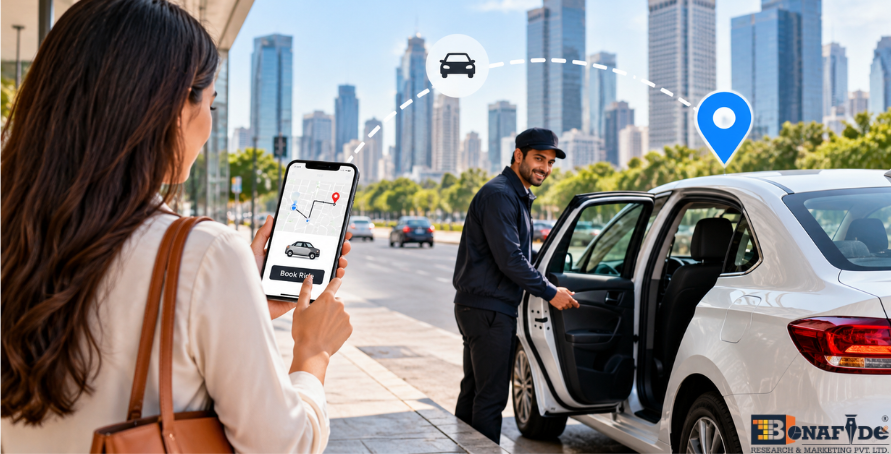
As cities become more connected and transportation needs evolve, traditional taxi services are increasingly complemented by digital booking platforms, artificial intelligence (AI), real-time location tracking, and data-driven mobility solutions. The objective is simple: make transportation more convenient, improve vehicle utilization, reduce waiting times, and deliver a better passenger experience.
From Booking a Ride to Predicting Demand
Traditional transportation services often rely on fixed taxi stands, dispatch operators, and direct customer requests. While these methods remain relevant, coordinating thousands of drivers and passenger requests across busy urban areas can be challenging.
Digital ride-hailing platforms add another layer of intelligence.
By analyzing location data, historical booking patterns, traffic conditions, weather, and local events, these platforms can estimate where demand is likely to increase. This information helps operators position drivers more effectively, improve passenger-driver matching, and manage changing transportation requirements.
The biggest shift? Moving from simply connecting passengers with available drivers toward anticipating mobility demand and managing transportation networks more efficiently.
Three Ways Technology Is Transforming Ride Hailing Services
1. Smarter Ride Matching and Route Optimization
AI-powered systems can analyze passenger locations, driver availability, traffic conditions, and estimated journey times to improve ride allocation. Navigation technology helps drivers identify suitable routes, while real-time traffic updates support adjustments when congestion occurs. These capabilities can reduce unnecessary waiting and improve the efficiency of individual trips, although actual results depend on traffic conditions, platform algorithms, and driver availability.
2. Predictive Demand and Dynamic Pricing
Ride-hailing platforms use historical bookings and real-time demand signals to estimate when and where passengers are likely to request rides. During rush hours, major events, or periods of limited driver availability, pricing mechanisms may adjust fares to help balance demand and supply. However, dynamic pricing can also raise affordability concerns, making transparent fare estimates and clear customer communication important parts of the passenger experience.
3. Electric Vehicles and Sustainable Mobility
Electric vehicles are becoming an important consideration for ride-hailing operators seeking to reduce tailpipe emissions and manage vehicle operating costs. Partnerships with vehicle manufacturers, leasing companies, charging providers, and fleet operators can support the transition toward electric mobility. Companies are also exploring ways to integrate charging schedules with driver availability and trip demand. However, vehicle acquisition costs, charging infrastructure, battery performance, and charging time remain important factors affecting adoption.
Technology does not eliminate every transportation challenge. Reliable driver networks, safe vehicles, responsible data use, effective customer support, and compliance with local regulations remain essential for delivering dependable ride-hailing services.
Why This Trend Matters Globally
From established ride-hailing platforms in North America to rapidly evolving digital mobility ecosystems across Asia-Pacific, Europe, South America, and the Middle East and Africa, transportation providers face a common challenge: delivering convenient and affordable journeys while maintaining reliable operations.
In North America, established mobility platforms and widespread digital payment adoption support the use of app-based transportation. Europe combines demand from urban commuters and tourists with evolving regulatory requirements and growing interest in lower-emission mobility. Across Asia-Pacific, dense urban populations, smartphone adoption, and diverse transportation needs create opportunities for car-based, motorcycle-based, and other ride-hailing services.
South America continues to develop its digital mobility ecosystem around urban commuting and flexible transportation, while markets in the Middle East benefit from tourism, business travel, and investment in urban infrastructure. Across Africa, growing digital access and demand for convenient transportation create opportunities, although affordability, road infrastructure, payment preferences, and local regulations influence adoption.
AI-enabled dispatch, digital payments, integrated booking applications, and fleet management systems can help operators address these challenges by improving visibility across their transportation networks. Technology providers specializing in navigation, payment processing, cloud computing, cybersecurity, and vehicle electrification are also contributing to the industry's development.
What's Next for Ride Hailing Services?
The next phase of ride-hailing development will likely combine AI-powered dispatch systems, connected vehicles, predictive analytics, electric mobility, and integration with other transportation services. Platforms may increasingly connect ride bookings with public transportation, vehicle rentals, shared mobility, and corporate travel solutions, allowing customers to manage different journey requirements through fewer digital interfaces.
Autonomous vehicles could also influence the industry's longer-term evolution. Companies including Waymo and technology partners working with established mobility platforms are developing and deploying autonomous ride-hailing services in selected markets. However, wider adoption will depend on safety validation, regulatory approval, operating costs, infrastructure readiness, and the ability to scale commercial services reliably.
Other important considerations include driver earnings, passenger privacy, cybersecurity, transparent pricing, and the financial sustainability of platform operations. Operators must demonstrate that technological investments deliver measurable improvements in service quality, vehicle utilization, safety, or operating efficiency rather than simply introducing additional digital features.
Ultimately, the value of ride-hailing technology will not be measured by how many rides an application can display, but by how effectively it connects passengers and drivers, reduces friction, and delivers reliable transportation.
The future of ride-hailing is not just about booking a vehicle faster. It is about making mobility more intelligent, accessible, and efficient.
As cities and transportation providers embrace digital transformation, ride-hailing services are positioned to remain an important part of the evolving global mobility ecosystem, connecting people with transportation options that increasingly reflect their schedules, preferences, and everyday needs.
See how you can up your career status

Global Vending Machine Market is projected to reach market size of USD 34.63 Billion by 2030

The Global Electric Mop market was valued at more than USD 6.83 Billion in 2025, and expected to reach a market size of more than USD 11.60 Billion by 2031 with the CAGR of 9.46% from 2026-2031.

The Global Standing Desk Market was valued at approximately USD 8.59 Billion in 2025 and is expected to reach approximately USD 11.66 Billion by 2031, expanding at a CAGR of approximately 5.22% from 2026 to 2031.

Global Self-Storage Market was valued at more than USD 62.75 billion in 2025 and is expected to reach more than USD 87.73 billion by 2031, growing at a CAGR of 5.89% from 2026 to 2031.
 We are friendly and approachable, give us a call.