

Top 6 Companies Bathroom Linen Market
Global Bathroom Linen Market Outlook, 2029 anticipated to cross USD 31 Billion by 2029, increasing from USD 25.43 Billion in 2023

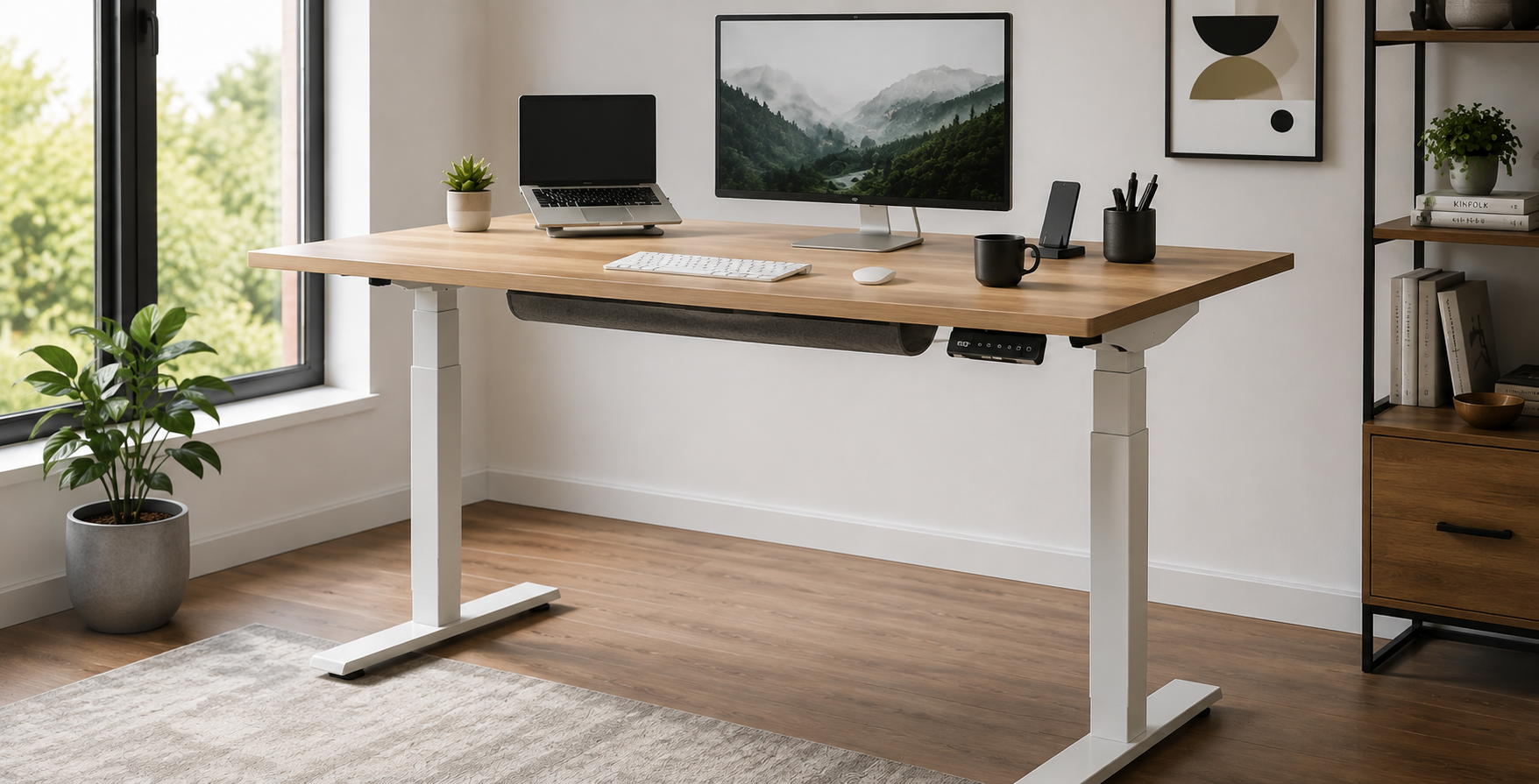
The Global Standing Desk Market was valued at approximately USD 8.59 Billion in 2025 and is expected to reach approximately USD 11.66 Billion by 2031, expanding at a CAGR of approximately 5.22% from 2026 to 2031.
The Global Standing Desk Market is expanding as businesses and consumers increasingly focus on workplace ergonomics, flexible working environments, employee wellbeing, and adaptable workstation solutions. Standing desks allow users to adjust the height of their work surface and alternate between seated and standing positions, making them increasingly relevant across commercial offices, home offices, coworking spaces, industrial environments, and other professional settings. Demand varies according to workplace design, employment patterns, consumer purchasing power, office modernization, furniture preferences, and awareness of ergonomic practices. Electric Standing Desks remain the largest and fastest-growing product type because motorized adjustment provides convenience and precise positioning. Commercial users represent the largest end-user segment, while Wood remains the largest and fastest-growing material category. Medium-priced products account for the largest price range, and Specialty Stores represent the largest distribution channel globally.
Electric standing desks remain the largest and fastest-growing product type across global workplace and residential markets
Electric Standing Desks maintain their leading position because motorized lifting systems provide convenient, precise, and effortless height adjustment. Users can transition between sitting and standing positions through electronic controls, while advanced models increasingly incorporate programmable memory presets, dual motors, anti-collision sensors, digital displays, USB charging, wireless charging, and integrated cable management. These features make electric desks suitable for shared commercial workstations where multiple users require different height settings. They are also increasingly relevant in residential environments where consumers seek convenient ergonomic solutions for extended computer-based work. Improvements in motor noise, lifting stability, load capacity, adjustment speed, and energy efficiency are further strengthening product adoption. The combination of convenience, technology integration, and ergonomic flexibility supports electric standing desks as the leading product type.
Commercial users remain the largest end-user segment because businesses are increasingly investing in ergonomic workstations and flexible workplace environments
Commercial users represent the largest end-user segment because offices, coworking spaces, technology companies, professional service firms, financial institutions, and other businesses increasingly require adaptable workstations. Standing desks can support shared desks, flexible seating arrangements, activity-based workplaces, and hybrid working environments where employees may use different workstations throughout the day. Businesses are also increasingly considering ergonomic furniture as part of employee wellbeing and workplace modernization strategies. Height-adjustable desks allow employees to personalize workstation height according to individual requirements while supporting changes in working posture. Large-scale corporate procurement provides opportunities for manufacturers to supply coordinated desk systems with matching accessories, cable management, monitor arms, storage, and ergonomic seating. Commercial office modernization and continued investment in flexible workplaces provide a durable demand base.
Wood remains the largest and fastest-growing material because of its durability, aesthetic appeal, design flexibility, and compatibility with modern interiors
Wood maintains a strong position because wooden desktops provide a furniture-oriented appearance while supporting the structural and functional requirements of standing desks. Solid wood, engineered wood, veneers, laminates, and other wood-based surfaces can be offered across different quality levels, finishes, colors, thicknesses, and price points. This flexibility allows manufacturers to target residential consumers, corporate offices, executive workspaces, creative environments, and premium furniture buyers. Wooden desktops can also be combined with electric lifting systems, minimalist metal frames, integrated cable management, and contemporary finishes. Growing consumer interest in attractive and sustainable furniture is creating additional opportunities for responsibly sourced wood and wood-based materials. The combination of aesthetics, versatility, and broad application supports continued growth of wood within standing desk manufacturing.
Medium-priced standing desks remain the largest price range because they provide a balance between affordability, ergonomic functionality, and product quality
Medium-priced standing desks appeal to consumers and organizations seeking reliable height adjustment without the higher investment associated with premium workstation solutions. Products within this category generally provide stable frames, dependable lifting mechanisms, suitable load capacity, and essential features such as electronic controls, memory presets, and cable-management systems. The segment is particularly relevant to home-office users, small businesses, educational institutions, and corporations seeking to equip multiple workstations within controlled furniture budgets. Manufacturers are increasingly incorporating improved motors, stronger frames, attractive desktop materials, and ergonomic controls into medium-priced models. This enables products to deliver meaningful functionality while remaining accessible to a broad customer base. The combination of price, performance, and usability supports medium-priced standing desks as the largest price-range segment globally.
Specialty stores remain the largest distribution channel because customers benefit from physical product evaluation and professional ergonomic guidance
Specialty Stores represent the largest distribution channel because standing desks involve multiple purchasing considerations, including height range, lifting capacity, frame stability, desktop dimensions, motor configuration, adjustment speed, and available ergonomic features. Physical stores allow consumers and commercial buyers to evaluate desk stability, test adjustment mechanisms, compare desktop materials, and receive guidance regarding suitable workstation configurations. Specialty retailers can also provide installation, delivery, workspace planning, and after-sales support, which are particularly relevant for corporate and premium furniture purchases. These stores commonly sell complementary ergonomic products such as office chairs, monitor arms, storage systems, lighting, and power accessories, enabling customers to develop complete workstation solutions. E-commerce and brand websites continue to gain importance through product comparisons, detailed specifications, customization, reviews, and home delivery, but specialty stores maintain a strong position due to the importance of physical evaluation and professional assistance.
North America leads the global market through strong ergonomic awareness, commercial adoption, hybrid working, and a mature office-furniture ecosystem
North America represents the leading regional market for standing desks, supported by established workplace ergonomics, strong commercial demand, high purchasing power, developed office infrastructure, and widespread adoption of flexible and hybrid working environments. The United States provides the largest demand base within the region due to its extensive corporate workforce, developed home-office market, established office-furniture industry, and broad availability of ergonomic products through specialty stores, e-commerce platforms, commercial furniture dealers, and direct-to-consumer brands. Canada also contributes through its developed corporate infrastructure and increasing adoption of flexible workplace solutions. Businesses across technology, financial services, professional services, healthcare, education, and other sectors are incorporating height-adjustable workstations into office modernization projects. Residential demand is also supported by consumers creating dedicated home-office environments and seeking furniture that combines ergonomic functionality with contemporary design. The region's mature manufacturer and distribution ecosystem, combined with strong demand for electric and premium standing desks, supports North America's leading position in the global market.
See how you can up your career status

Global Bathroom Linen Market Outlook, 2029 anticipated to cross USD 31 Billion by 2029, increasing from USD 25.43 Billion in 2023
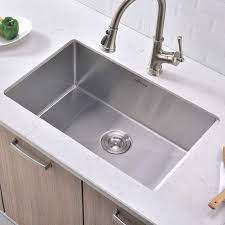
Global Kitchen Sink Market Outlook, 2030 is projected to reach market size of USD 5.10 Billion by 2030.
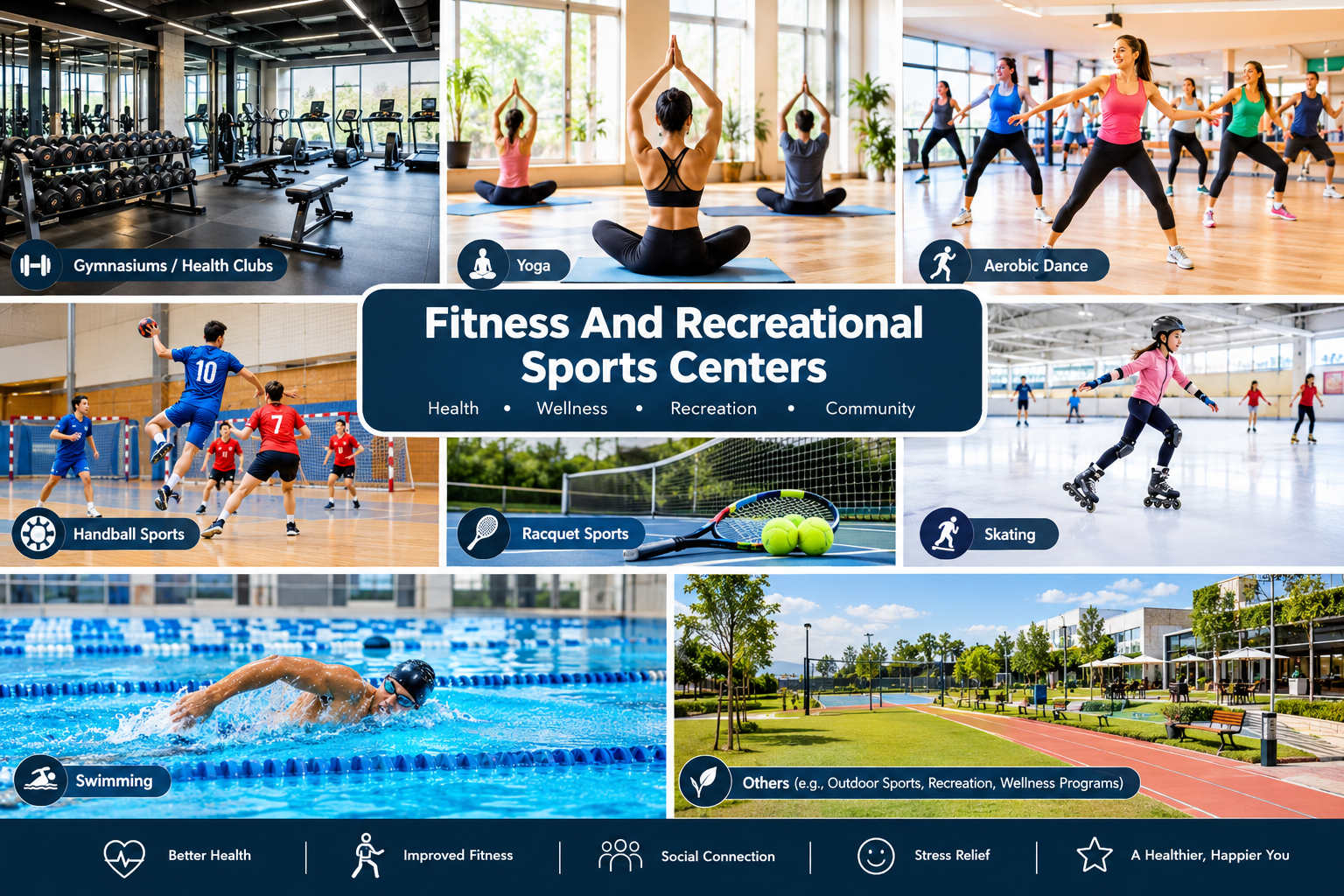
The Global Fitness And Recreational Sports Centers Market was valued at approximately USD 143.86 Billion in 2025 and is expected to reach approximately USD 227.26 Billion by 2031, expanding at a CAGR of approximately 8.12% from 2026 to 2031.

Global Self-Storage Market was valued at more than USD 62.75 billion in 2025 and is expected to reach more than USD 87.73 billion by 2031, growing at a CAGR of 5.89% from 2026 to 2031.
 We are friendly and approachable, give us a call.