

 By Sunny Keshri
 Top 6 Companies in Global Printer Ink Cartridge Market
Global Printer Ink Cartridge Market Outlook, 2029 anticipated to cross USD 25 Billion by 2029, increasing from USD 19.17 Billion in 2023.

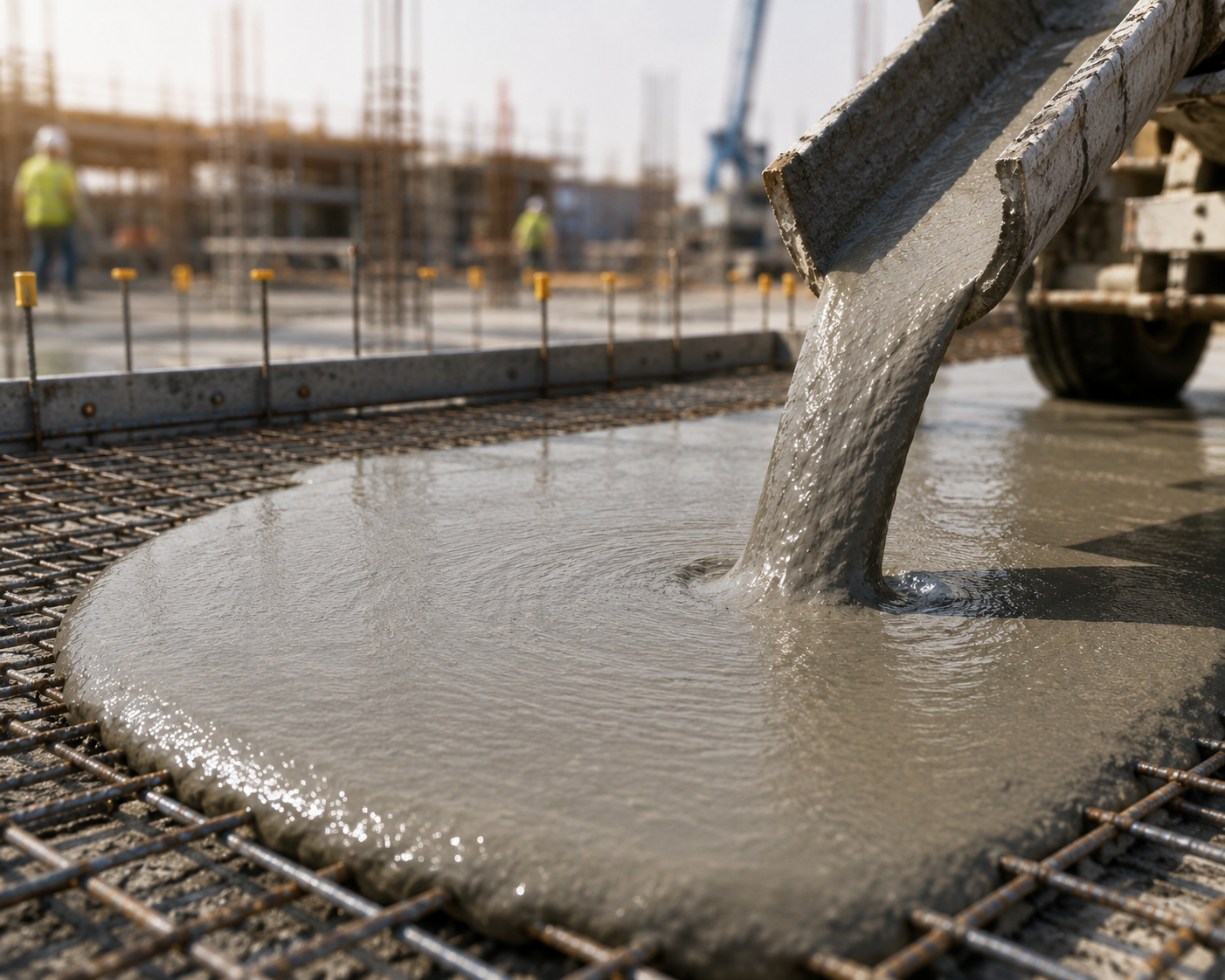
Self-consolidating concrete market, building faster, stronger, and smarter infrastructure The Global Self Consolidating Concrete market was valued at more than USD 13.91 Billion in 2025, and expected to reach a market size of more than USD 20.61 Billion by 2031 with the CAGR of 6.96% from 2026-2031. The construction industry is under increasing pressure to deliver projects faster while maintaining superior quality, reducing labor dependency, and meeting stringent sustainability standards. Against this backdrop, Self-Consolidating Concrete (SCC) is emerging as one of the most significant innovations in modern construction materials. Unlike conventional concrete, SCC flows under its own weight, filling complex formwork and densely reinforced sections without the need for mechanical vibration. This unique property not only accelerates construction but also improves structural integrity, surface finish, and overall project efficiency. As infrastructure development, high-rise construction, and precast manufacturing continue to expand worldwide, the Self-Consolidating Concrete Market is gaining momentum as contractors and developers increasingly adopt advanced concrete technologies to improve productivity and construction quality. Complex infrastructure projects are driving market adoption Modern infrastructure projects are becoming increasingly sophisticated, with intricate architectural designs, heavily reinforced structures, and demanding performance requirements. Traditional concrete often struggles to flow uniformly through congested reinforcement, leading to voids, honeycombing, and inconsistent structural quality. Self-consolidating concrete addresses these challenges by providing exceptional flowability while maintaining stability and resistance to segregation. Its ability to completely fill complex molds and densely reinforced sections without vibration makes SCC particularly valuable for bridges, tunnels, high-rise buildings, marine structures, nuclear facilities, and large-scale commercial developments. As governments continue investing in smart cities, transportation networks, and resilient infrastructure, demand for high-performance concrete solutions is expected to grow steadily. Labor shortages are accelerating construction automation One of the strongest trends influencing the Self-Consolidating Concrete Market is the global shortage of skilled construction labor. Contractors are increasingly seeking materials that simplify installation, reduce manual work, and improve job-site productivity. Since SCC eliminates the need for mechanical vibration during placement, it significantly reduces labor requirements while shortening construction schedules. The reduction in equipment usage also minimizes noise pollution, improves workplace safety, and lowers maintenance costs. As construction companies continue adopting automation, prefabrication, and industrialized building methods, self-consolidating concrete is becoming a preferred material for improving operational efficiency without compromising structural performance. Sustainable construction is reshaping concrete innovation Sustainability has become a central priority for the global construction industry, encouraging manufacturers to develop environmentally responsible concrete solutions. Self-consolidating concrete supports sustainable construction by minimizing material waste, improving placement accuracy, and reducing energy consumption associated with vibration equipment. Manufacturers are increasingly incorporating supplementary cementitious materials such as fly ash, ground granulated blast furnace slag (GGBFS), silica fume, and other recycled industrial by-products into SCC formulations to reduce carbon emissions while maintaining high mechanical strength and durability. Combined with advances in low-carbon cement technologies and optimized mix designs, these innovations are helping construction companies meet green building certification requirements and environmental regulations while improving the lifecycle performance of concrete structures. Asia-Pacific leads while advanced construction technologies shape the future Asia-Pacific continues to dominate the global Self-Consolidating Concrete Market, supported by rapid urbanization, large-scale infrastructure development, expanding industrial construction, and strong government investments in transportation and smart city projects. Countries such as China, India, Japan, and South Korea are witnessing increasing adoption of SCC in commercial buildings, metro rail projects, bridges, airports, and precast concrete manufacturing. North America and Europe also represent significant markets, driven by stringent construction quality standards, aging infrastructure rehabilitation programs, and growing demand for sustainable building materials. The future of the Self-Consolidating Concrete Market will be shaped by digital construction technologies, Building Information Modeling (BIM), robotic concrete placement, 3D concrete printing, and smart material innovations. As the industry moves toward faster, safer, and more sustainable construction practices, self-consolidating concrete will play an increasingly important role in enabling high-performance infrastructure while improving construction efficiency, reducing environmental impact, and supporting the next generation of resilient buildings.
See how you can up your career status

Global Printer Ink Cartridge Market Outlook, 2029 anticipated to cross USD 25 Billion by 2029, increasing from USD 19.17 Billion in 2023.

Global Construction Plastic Market Outlook, 2030 is projected to reach market size of USD 180.06 Billion by 2030
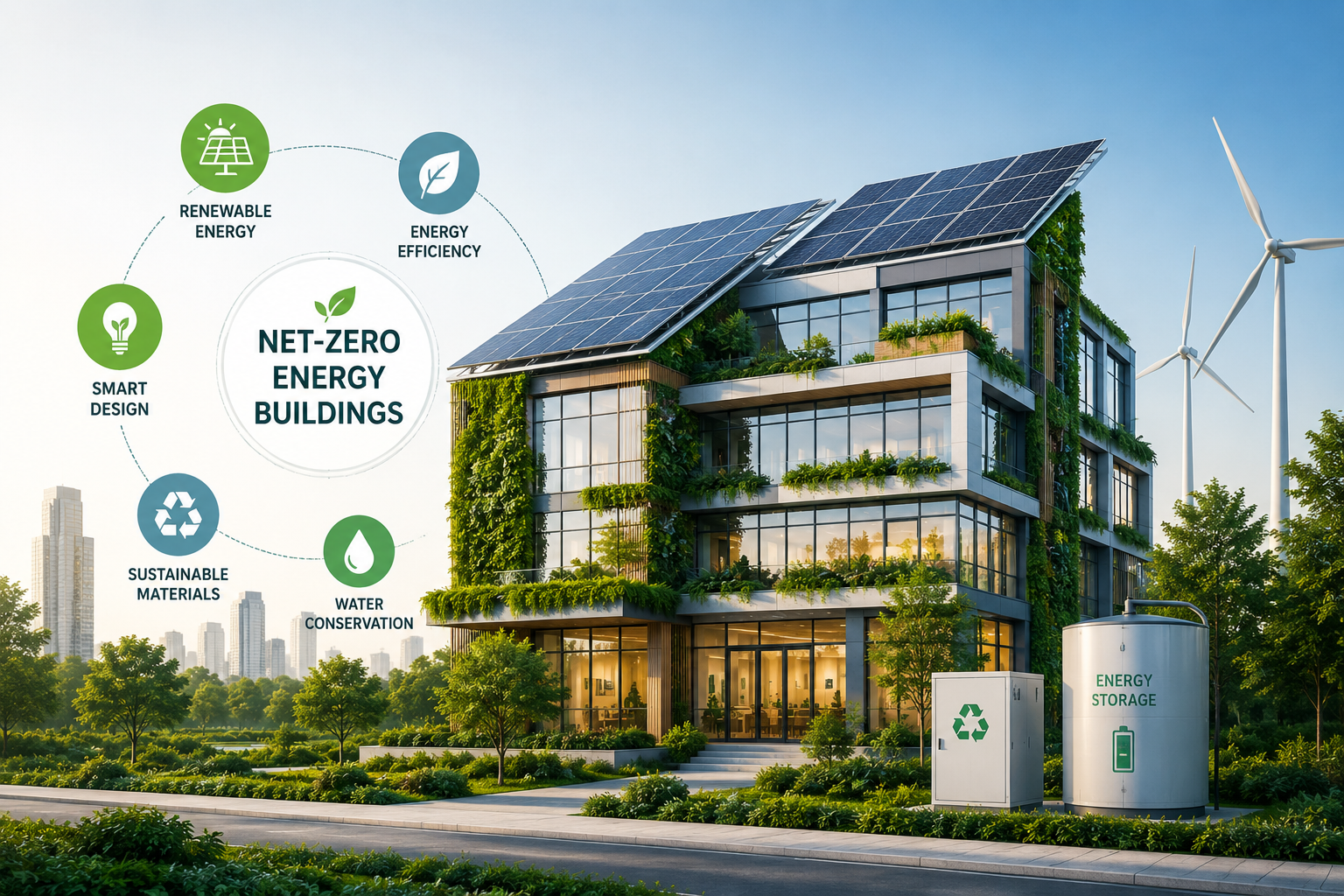
The Global Net-Zero Energy Buildings Market was valued at USD 51.40 billion in 2025 and is projected to reach USD 138.14 billion by 2031, expanding at a CAGR of 18.38% during 2026-2031.
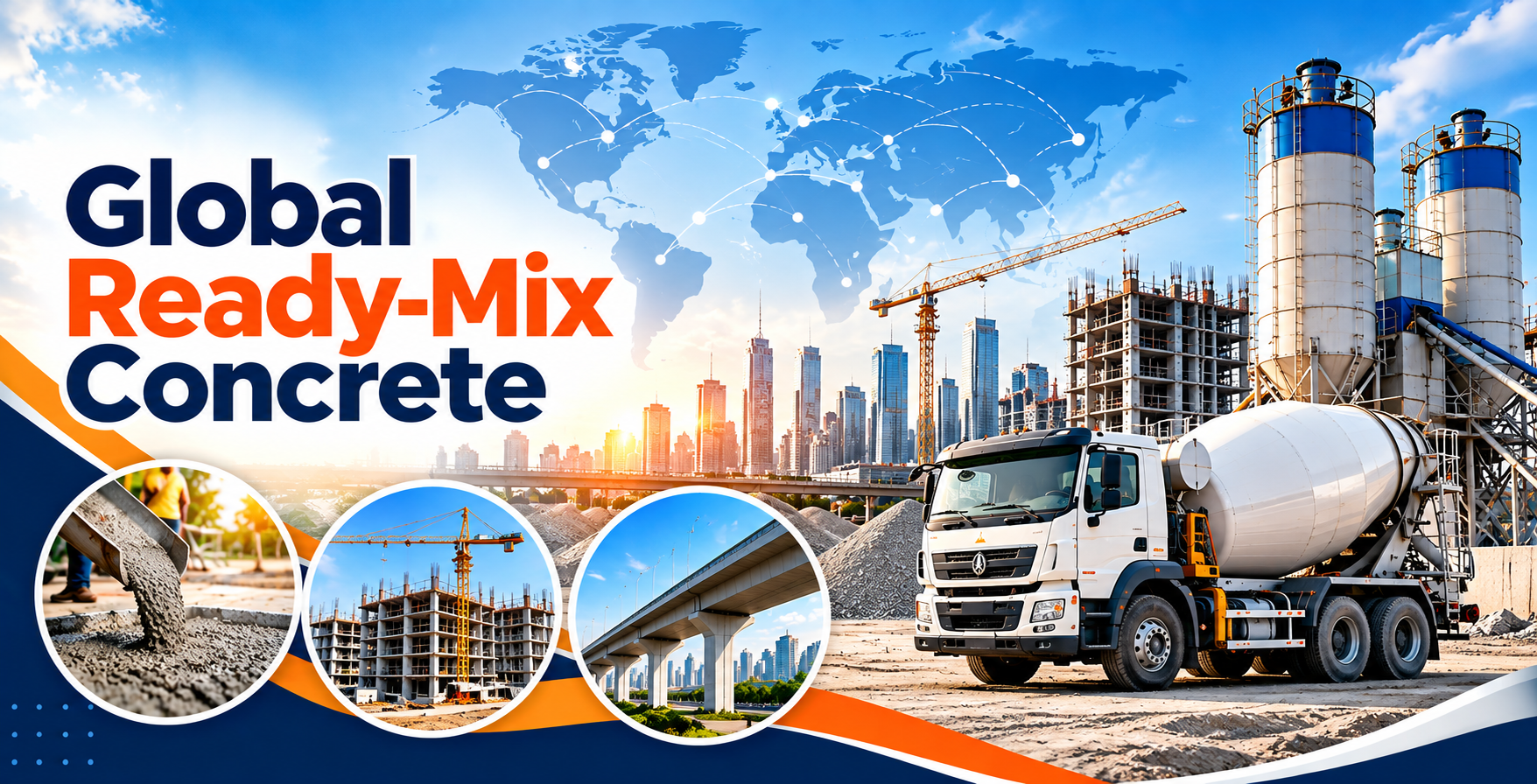
According to the research report "Global Ready-Mix Concrete Market Outlook, 2031," published by Bonafide Research, the Global Ready-Mix Concrete Market was valued at more than USD 590.00 Billion in 2025 and is expected to reach a market size of more than USD 778.20 Billion by 2031, with a CAGR of 4.84% from 2026–2031.
 We are friendly and approachable, give us a call.