

 By Manmayi Raval
Top 10 Express Delivery Companies in the Global Market
The Global Express Delivery Market is anticipated to cross USD 450 Billion by 2029, increasing from USD 315 Billion in 2023 with 6.50% CAGR by 2024-29.


Few things in the world captivate the senses quite like chocolate. Its velvety texture, complex aroma, and rich, lingering flavor make it more than just a sweet treat — it is an experience. Across continents and cultures, chocolate has been woven into celebrations, rituals, romances, and cravings. But behind its luxurious allure lies a fascinating blend of craftsmanship, chemistry, and history. Chocolate is not simply made; it is crafted, refined through centuries of innovation and passion. As modern consumers seek out quality, sustainability, and ethical sourcing, chocolate is being redefined — not only as a symbol of indulgence, but also as a testament to the art and science of transformation.
The journey of chocolate begins in the tropical belt where Theobroma cacao, the “food of the gods,” grows in shaded groves. The process from bean to bar is both intricate and magical. After cacao pods are harvested, the beans are fermented, dried, roasted, cracked, winnowed, and then ground into a paste known as cocoa mass. It is during fermentation and roasting that chocolate begins to develop its distinctive flavor profile — one that can range from floral and fruity to earthy and nutty. The cocoa mass is then refined, conched (a process of continuous mixing and aeration), and tempered to give it its signature snap and glossy finish. Every step is critical, and even slight variations in temperature, timing, or origin of the bean can result in dramatically different outcomes.
Yet chocolate is not just art; it is science in its purest, most delicious form. Its texture and melting behavior are governed by complex fat crystals, primarily cocoa butter, which must be tempered precisely to create the right consistency. The mouthfeel that chocolate lovers crave — that smooth melt-on-the-tongue sensation — occurs because cocoa butter melts just below human body temperature. Nutritionally, chocolate contains over 300 chemical compounds, including theobromine, flavonoids, and phenylethylamine, which together contribute to its uplifting effects. Dark chocolate in particular is celebrated for its antioxidant properties and potential cardiovascular benefits, proving that pleasure and wellness can, in some cases, go hand in hand.
Today’s chocolate renaissance is also driven by a rising awareness of ethical sourcing, bean origin, and craft production. Consumers are looking beyond mass-produced confections toward bean-to-bar chocolate makers who champion transparency, fair trade, and single-origin sourcing. Artisanal chocolatiers are now experimenting with flavor pairings — think sea salt, chili, saffron, or lavender — and alternative sweeteners like coconut sugar or dates. Vegan and dairy-free chocolates are gaining ground, offering inclusive indulgence without compromising taste. This shift reflects a broader cultural move toward mindful consumption, where quality, ethics, and experience matter as much as the product itself.
See how you can up your career status

The Global Express Delivery Market is anticipated to cross USD 450 Billion by 2029, increasing from USD 315 Billion in 2023 with 6.50% CAGR by 2024-29.

Top Six Companies Spain Functional Beverage Market

Global Dairy Processing Equipment Market Outlook, 2030 is projected to reach market size of USD 18.24 Billion by 2030.
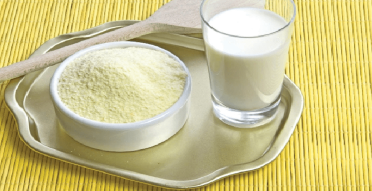
Global Dairy Whitener Market Outlook, 2030 is projected to reach market size of USD 18.14 Billion by 2030.
 We are friendly and approachable, give us a call.