

Playful Wonders: Choosing the Right Toy for Every Age
Embark on a journey through the world of toys. From educational wonders to entertaining classics, discover how the right toy can enhance the development and joy of children at every stage.

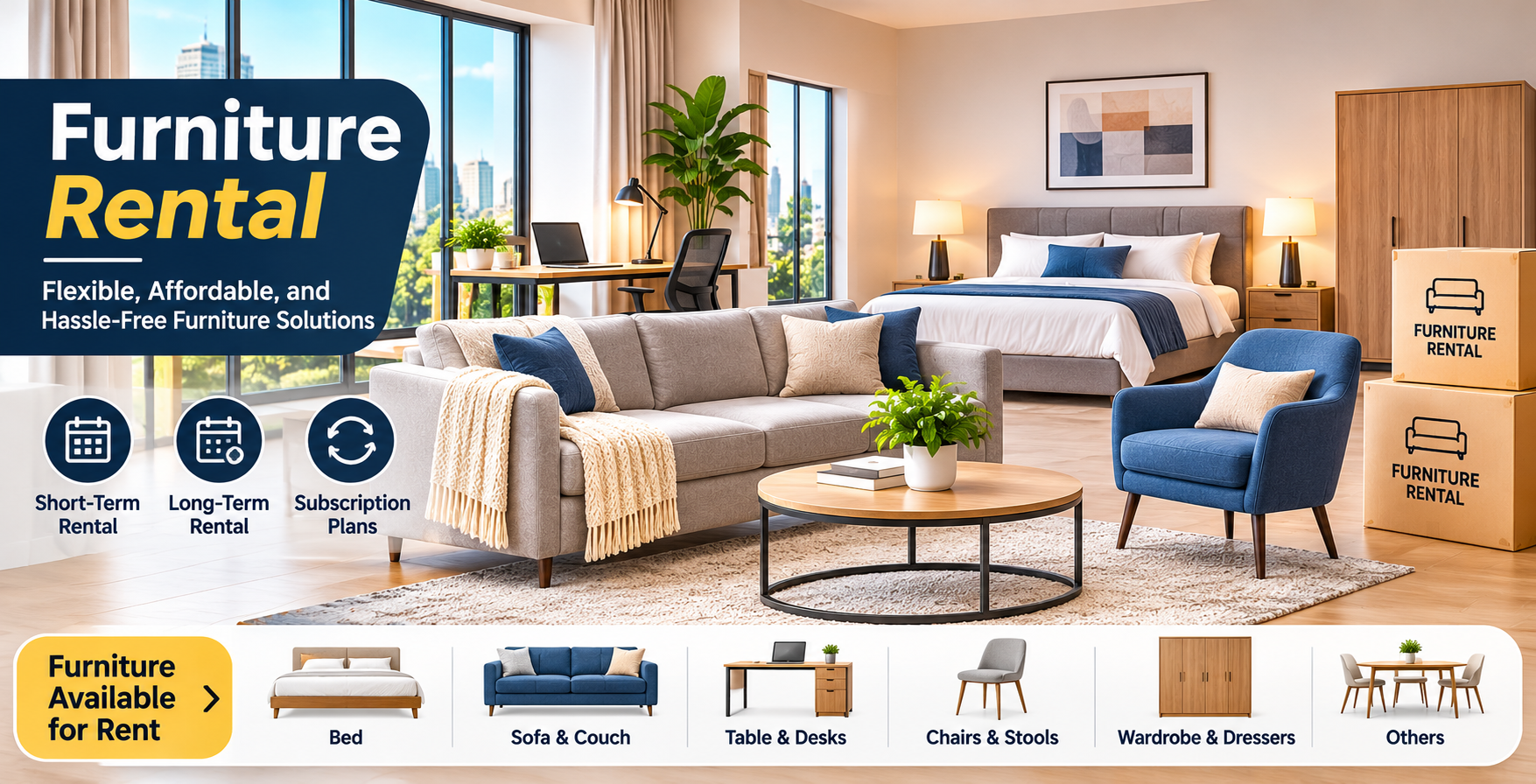
Growing demand for affordable, convenient, and flexible furniture solutions across residential and commercial sectors is creating new opportunities for the global furniture rental industry.
The Global Furniture Rental Market is witnessing significant transformation as consumers and businesses increasingly shift towards flexible furnishing solutions that eliminate the financial commitments and logistical responsibilities associated with traditional furniture ownership. According to the research report, "Global Furniture Rental Market Outlook, 2031," published by Bonafide Research, the Global Furniture Rental Market Outlook was valued at more than USD 20.89 Billion in 2025, and expected to reach a market size of more than USD 31.48 Billion by 2031 with the CAGR of 7.26% from 2026-2031. The growing preference for convenient and cost-effective furnishing arrangements is encouraging individuals and organisations to explore furniture rental services for both temporary and extended requirements. Students, working professionals, expatriates, relocating families, corporate offices, hotels, and serviced apartment operators are increasingly considering rental solutions to access essential furniture without substantial upfront investment. Rental providers offer products such as beds, sofas, tables, desks, chairs, wardrobes, and storage units through flexible contractual arrangements, often accompanied by delivery, installation, maintenance, and collection services.
Changing Consumer Lifestyles Are Reshaping Furniture Ownership
The increasing mobility of modern consumers is becoming an important factor influencing furniture rental demand. Young professionals relocating for employment, students moving to educational institutions, and expatriates seeking temporary accommodation often prefer furniture rental because it reduces the inconvenience of purchasing, transporting, and reselling furniture.
Rental services also provide flexibility for consumers who frequently change residences or require furniture for specific periods. Subscription-based furnishing arrangements allow customers to access complete furniture packages through recurring payments, making furniture rental an alternative to traditional ownership.
Digital Platforms Are Creating New Opportunities for Furniture Rental Providers
The expansion of online furniture rental platforms is transforming how consumers discover, select, and access furnishing products. Digital platforms enable customers to browse furniture collections, compare rental packages, manage subscriptions, schedule deliveries, and request maintenance services through convenient online interfaces.
Companies such as CORT Furniture Rental, AFR Furniture Rental, RentoMojo, Furlenco, and Cityfurnish illustrate the different approaches being adopted across the industry, including corporate furnishing, residential rentals, subscription-based services, and integrated furniture management solutions.
Technological improvements in inventory management, customer relationship systems, delivery coordination, and digital payments are also helping rental providers improve operational efficiency and customer experience.
Residential Furniture Rental Remains a Major Source of Market Demand
Residential applications represent a leading segment of the global furniture rental market, supported by demand from rented apartments, student accommodation, corporate housing, shared living spaces, and temporary residences.
Beds represent a leading product category because they are essential to furnishing bedrooms across residential and temporary accommodation settings. Wooden furniture maintains a prominent position due to its widespread application in beds, tables, wardrobes, desks, and other household products.
Long-term rental arrangements remain important for customers requiring furniture throughout extended residential stays or corporate assignments. Online rental platforms are also gaining importance as customers increasingly prefer digital product selection, transparent rental terms, and convenient service management.
North America Maintains Its Leading Position in the Global Furniture Rental Market
North America represents the largest regional market, supported by established furniture rental operators, corporate relocation activity, temporary accommodation demand, and developed residential and commercial furnishing services.
The United States contributes substantially to regional demand through corporate housing, apartment furnishing, student accommodation, property staging, and commercial furniture rental. Canada and Mexico also provide opportunities through residential mobility, hospitality development, and business-related furnishing requirements.
Europe represents another important market, supported by rented accommodation, international mobility, corporate assignments, and interest in circular consumption models. Germany, the United Kingdom, France, Italy, and Spain contribute to regional furniture rental demand.
Asia Pacific presents opportunities through expanding urban populations, student housing, professional relocation, and the growing availability of digital furniture rental services. China, India, Japan, South Korea, and Australia are important country markets.
South America is developing through urban housing, hospitality, and corporate requirements, particularly in Brazil, Argentina, and Colombia. Meanwhile, the Middle East & Africa region benefits from expatriate accommodation, tourism, hospitality projects, and commercial development, with opportunities across the United Arab Emirates, Saudi Arabia, and South Africa.
Circular Economy and Furniture Reuse Are Influencing Industry Development
Furniture rental is increasingly associated with circular consumption models because products can be used by multiple customers throughout their operational lifecycles. Rental companies can extend product utilisation through inspection, maintenance, refurbishment, and redeployment.
This approach can help reduce premature furniture disposal while encouraging the use of durable and repairable products. As consumers and businesses place greater emphasis on resource efficiency, rental providers have opportunities to position their services around convenience, product lifecycle management, and responsible consumption.
However, the industry continues to face challenges related to transportation expenses, inventory utilisation, product damage, warehousing requirements, and customer concerns regarding furniture condition and hygiene.
Strategic Partnerships and Business Expansion Are Strengthening Market Competition
The furniture rental industry has witnessed developments involving acquisitions, partnerships, digital innovation, and geographic expansion.
· In August 2023, AFR Furniture Rental acquired Brook Furniture Rental's client base and the commercial leases of three warehouses, strengthening its presence in the United States.
· In February 2024, RentoMojo secured approximately INR 210 crore in funding to support its furniture and appliance rental operations and geographic expansion.
· In August 2024, Blueground announced a strategic partnership with CORT Furniture Rental to support its On Demand furnished housing business across the United States.
· In May 2025, Vesta acquired Krista + Home, expanding its capabilities across interior design, home staging, and furnishing services.
These developments highlight the industry's increasing focus on service integration, geographic expansion, and customer convenience.
Future Outlook: Furniture Rental to Become an Increasingly Important Part of Flexible Living
Looking towards 2031, the Global Furniture Rental Market is expected to benefit from changing housing preferences, increasing professional mobility, demand for furnished accommodation, digital subscription models, and expanding commercial applications.
Providers capable of combining competitive rental pricing with reliable delivery, product quality, maintenance support, and efficient inventory management are likely to be better positioned to capture emerging opportunities.
As consumers and businesses increasingly evaluate furniture through convenience, flexibility, and lifecycle value, rental services are expected to remain an important alternative to traditional furniture ownership.
See how you can up your career status

Embark on a journey through the world of toys. From educational wonders to entertaining classics, discover how the right toy can enhance the development and joy of children at every stage.

Unveil the world of sustainable and empowering feminine hygiene products. From eco-friendly options to innovations in menstrual care, discover products that prioritize both health and the environment.

Global Dining Table Market Outlook, 2030 is projected to reach market size of USD 12.72 Billion by 2030
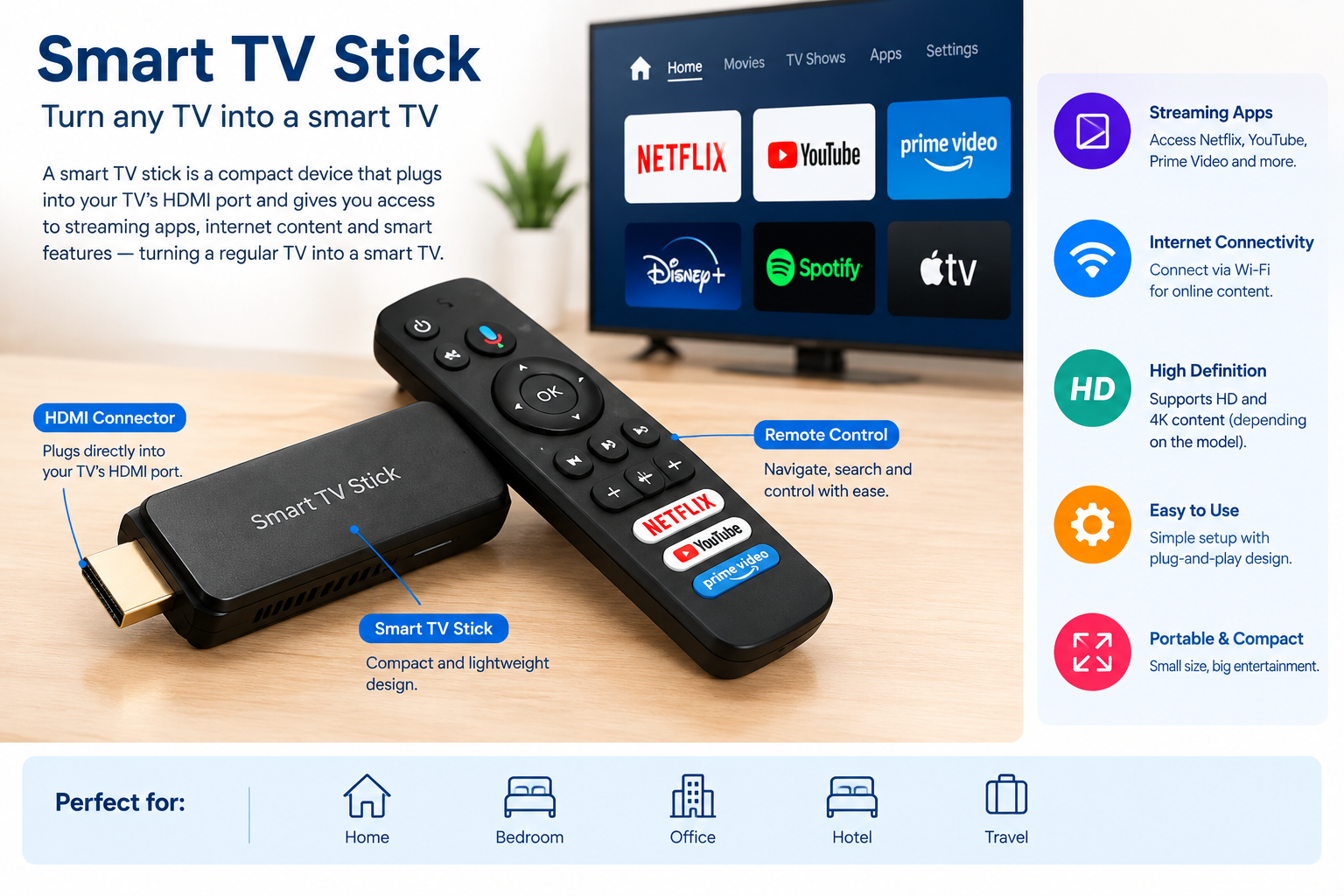
Global Smart TV Stick Market was valued at more than USD 10.93 billion in 2025 and is expected to reach more than USD 16.04 billion by 2031, growing at a CAGR of 6.77% from 2026 to 2031.
 We are friendly and approachable, give us a call.