In the conversation around sustainability and wellness, feminine hygiene has finally begun to receive the attention it deserves. For generations, the topic was cloaked in silence, often treated with stigma or shame but times are changing. Women today are not only advocating for healthier, more comfortable menstrual care products but are also becoming increasingly aware of their environmental footprint. Each individual’s period is personal, but the collective impact of menstrual products is vast. Traditional sanitary pads and tampons, while convenient and widely available, contribute significantly to plastic waste, with some estimates suggesting that a single pad can take up to 500–800 years to decompose. As awareness grows, so too does the demand for sustainable alternatives that prioritize both personal health and planetary well-being.
Navigating the world of sustainable feminine hygiene starts with understanding the range of options available. Reusable menstrual cups, made from medical-grade silicone, are gaining popularity for their cost-effectiveness, comfort, and minimal environmental impact. With proper care, a single cup can last up to 10 years, replacing hundreds of disposable products. Cloth pads, another traditional yet reimagined option, are now available in absorbent, leak-proof, and stylish forms offering comfort and reusability without the guilt of waste. Period underwear, designed with moisture-wicking and antimicrobial layers, combines innovation and ease, allowing users to wear them like regular underwear during their cycle. These products not only reduce landfill waste but also empower individuals with choices that align with their values.
Beyond the products themselves, the shift toward sustainable feminine hygiene also represents a larger cultural transformation one rooted in body literacy, autonomy, and environmental responsibility. Choosing a reusable product often means becoming more in tune with one’s cycle and body, challenging long-standing taboos that have disconnected many from their own health. Moreover, supporting eco-conscious brands often leads to supporting fair labor practices, ingredient transparency, and social initiatives that help make period products accessible in underserved communities. Thus, the journey toward sustainable hygiene is not just about environmentalism it’s also about reclaiming agency, supporting ethical business, and breaking the silence around menstruation.
Of course, sustainable menstrual care is not without its challenges. Accessibility, affordability, and awareness remain barriers in many parts of the world. For some, the upfront cost of reusable products can be prohibitive, even if they save money in the long run. Others may face cultural or logistical obstacles such as limited access to clean water or private sanitation facilities that complicate adoption. This is why the movement toward sustainable hygiene must also include education, inclusive design, and policy-level advocacy. Initiatives that distribute reusable products, normalize period talk in schools, and eliminate taxes on menstrual items are all crucial steps in making sustainable hygiene a reality for all.



 By Raj Shrivastav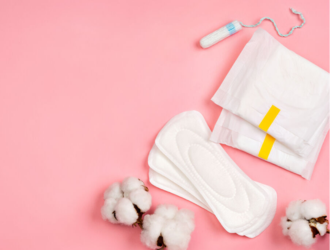



 We are friendly and approachable, give us a call.