

 By Raj Shrivastav
 Playful Wonders: Choosing the Right Toy for Every Age
Embark on a journey through the world of toys. From educational wonders to entertaining classics, discover how the right toy can enhance the development and joy of children at every stage.


Choosing the right diaper for your baby can be an overwhelming task, especially for new parents faced with a myriad of options. The variety of diapers available on the market can make the decision process challenging. However, selecting the right diaper is crucial for your baby's comfort and health. Disposable diapers are the most commonly used type due to their convenience and ease of use. They are designed to be highly absorbent, keeping your baby dry and comfortable for extended periods. Disposable diapers eliminate the need for washing and can be easily disposed of after use, making them a preferred choice for many parents. However, they come with a significant environmental impact. The disposables contribute heavily to landfill waste due to their non-biodegradable nature. Additionally, while they may seem affordable initially, the long-term costs can add up, especially considering the number of diapers a baby goes through in the early years. On the other hand, cloth diapers present an eco-friendly alternative. They require an initial investment, but over time, they can lead to substantial savings. Cloth diapers come in various types, including prefolds, pockets, and all-in-ones, each offering unique features and benefits. While cloth diapers are more environmentally friendly, they do require regular washing and maintenance, which might be a consideration for busy parents. Despite the extra effort, many parents find that the benefits, such as reduced waste and long-term cost savings, outweigh the inconveniences.
Biodegradable diapers offer a middle ground between disposable and cloth diapers. They are designed to decompose more quickly than traditional disposable diapers, which helps reduce their environmental impact. However, biodegradable diapers tend to be more expensive and may not be as widely available. Additionally, their effectiveness in decomposing depends on specific disposal conditions, such as exposure to sunlight and oxygen, which might not always be met in landfills. When choosing diapers, several factors need to be considered. Absorbency is crucial for preventing leaks and keeping your baby dry. Disposable diapers are generally highly absorbent, while cloth diapers might require more frequent changes. The comfort and fit of the diaper are also vital. A good fit prevents leaks and ensures your baby's comfort. Skin sensitivity is another critical factor. Some babies have sensitive skin that may react to certain materials or chemicals present in diapers. If your baby has sensitive skin, consider hypoallergenic diapers or those made with natural materials. Always monitor your baby's skin for signs of irritation and consult your pediatrician if needed. Convenience plays a significant role in the decision-making process as well. Disposable diapers are the most convenient, especially for travel and outings. Cloth diapers, while more eco-friendly, require more effort in terms of washing and maintenance. Biodegradable diapers offer a balance but may not be as convenient as disposables.
The environmental impact of diapers is also a key consideration. Disposable diapers have a significant effect on the environment due to their contribution to landfill waste. Cloth diapers, although requiring more water and energy for washing, are more eco-friendly in the long run. Biodegradable diapers offer a compromise, with a reduced environmental footprint compared to traditional disposables. Cost is another essential factor for many families. While disposable diapers might seem affordable at first glance, they can become quite expensive over time. Cloth diapers, on the other hand, require an initial investment but can save money in the long run. Biodegradable diapers may fall somewhere in between, depending on the brand and availability. For new parents navigating the world of diapering, there are several practical tips to keep in mind. Trial and error can be an effective approach to finding the right diaper for your baby. What works for one baby might not work for another, so don't hesitate to try out different types and brands of diapers. Selecting the right diaper size is crucial for your baby's comfort and to prevent leaks. Most diaper brands provide size guidelines based on your baby's weight and age. Pay attention to these guidelines and adjust the diaper size as your baby grows to ensure a proper fit.
Diaper rash is a common concern for many parents. To prevent diaper rash, change your baby's diaper frequently, ensure proper hygiene, and use diaper creams if necessary. Avoid diapers with harsh chemicals or materials that may irritate your baby's skin. Nighttime diapering is another aspect to consider. Keeping your baby dry and comfortable through the night is essential for good sleep. Consider using overnight diapers that offer extra absorbency. Make sure the diaper fits well and isn't too tight, which can cause discomfort. If you're concerned about the environmental impact of disposable diapers, consider using cloth diapers or biodegradable options. Proper disposal of disposable diapers and participating in recycling programs, if available, can help minimize their environmental impact. There are several common myths and misconceptions about diapers that need to be addressed. One prevalent myth is that cloth diapers are inconvenient. While cloth diapers do require more effort in terms of washing and maintenance, modern cloth diapering systems have made them more user-friendly. Many parents find that the benefits of cloth diapers, including cost savings and environmental friendliness, outweigh the inconvenience. Another misconception is that disposable diapers are always better. While disposable diapers are convenient, they have their drawbacks, including environmental concerns and long-term costs. Cloth diapers and biodegradable options offer viable alternatives that may be better suited to your family's needs and values. Additionally, there's a belief that biodegradable diapers decompose quickly. However, their effectiveness in decomposing depends on specific disposal conditions, such as exposure to sunlight and oxygen, which might not always be met in landfills.
See how you can up your career status

Embark on a journey through the world of toys. From educational wonders to entertaining classics, discover how the right toy can enhance the development and joy of children at every stage.

Global Commercial Cooking Equipment Market is projected to reach market size of USD 20.98 Billion by 2030 increasing from USD 14.88 in 2024

Global Bean Bag Chair market is projected to reach market size of USD 5.47 Billion by 2030
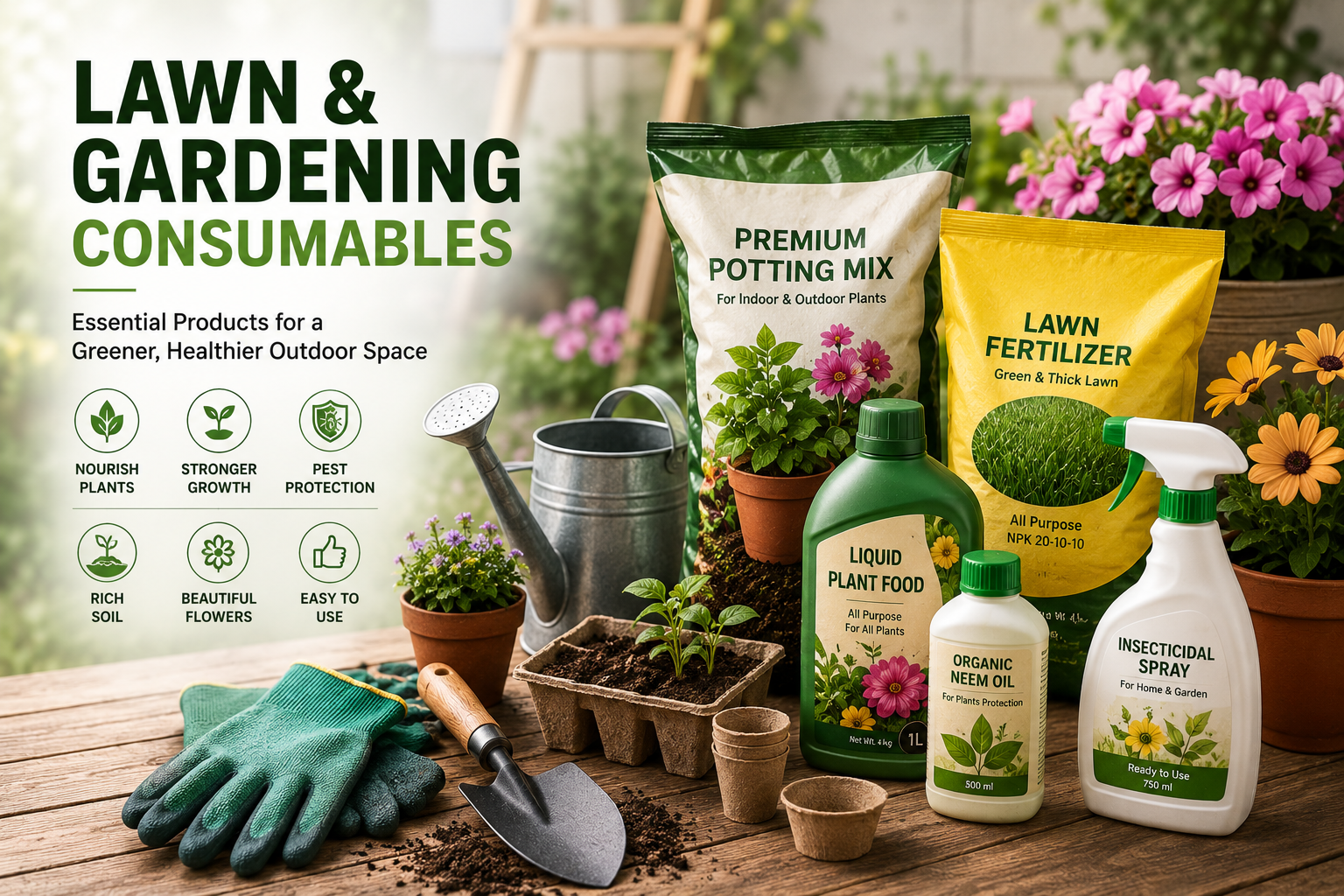
The Global Lawn & Gardening Consumables market was valued at more than USD 22.84 Billion in 2025, and expected to reach a market size of more than USD 30.60 Billion by 2031 with the CAGR of 5.12% from 2026-2031.
 We are friendly and approachable, give us a call.