

 By Sunny Keshri
 Top Six Companies Global Catalytic Converter Market
Global Catalytic Converter Market Outlook, 2030 is projected to reach market size of USD 132.21 Billion by 2030


Curtain walls have fundamentally transformed modern architecture by delivering sleek, energy-efficient, and structurally reliable building exteriors that enhance both aesthetics and functionality. These innovative non-structural cladding systems play a pivotal role in contemporary high-rise buildings by offering not only visual appeal but also practical advantages such as improved thermal performance and optimized natural light penetration. As urbanization accelerates globally, the demand for sustainable construction practices has pushed the curtain wall industry to evolve rapidly. Advanced technologies are being integrated into curtain walls, including smart systems like dynamic shading, automated venting, and photovoltaic panels, which contribute to energy-efficient and net-zero buildings. In addition to technological advancements, eco-friendly materials such as recycled aluminum frames and low-emissivity (Low-E) glass have become key components in creating greener architectural designs. The curtain wall market's segmentation includes diverse materials, application types, and geographical influences, providing a broad scope for innovation. Emerging trends like biophilic design—integrating natural elements into facades—are redefining urban spaces by fostering a harmonious relationship between occupants and their environment. This blog delves into these evolving trends, assesses their market impact, explores the segmentation of curtain wall products, and offers insights into future advancements that will shape the industry’s trajectory toward sustainability and innovation.
The curtain wall market is experiencing remarkable growth, propelled by the increasing demand for sustainable and visually striking architectural designs that blend functionality with aesthetic appeal. Among the key trends, unitized curtain wall systems are gaining significant traction as they offer faster installation and superior quality control compared to traditional stick-built systems, making them a preferred choice for large-scale projects. High-performance glass, including double and triple glazing options combined with advanced low-emissivity (Low-E) coatings, is another focal point, enhancing thermal insulation, reducing energy consumption, and improving overall building performance. The integration of biophilic design elements, such as incorporating greenery and natural textures into facades, is also growing in popularity, as it fosters a connection to nature and improves occupant well-being. Furthermore, the adoption of smart curtain walls equipped with dynamic shading systems and photovoltaic panels is reshaping the market, with these innovations driving the creation of net-zero energy buildings. The Asia-Pacific region is emerging as the fastest-growing market, bolstered by rapid urbanization, favorable government initiatives, and significant investments in commercial infrastructure.
The adoption of advanced curtain walls is transforming the construction industry by enhancing building performance and sustainability. For architects and developers, these systems offer design flexibility, allowing for innovative, lightweight, and high-strength facades. Manufacturers are investing in automation and prefabrication to reduce costs and construction time. However, challenges such as high initial costs, complex installation, and maintenance requirements remain barriers for some projects. For building owners and occupants, curtain walls improve energy efficiency, reducing long-term operational costs while maximizing natural light and views. The trend toward smart buildings is further accelerating demand for sensor-integrated facades that monitor temperature, air quality, and sunlight. As regulations on energy efficiency tighten globally, curtain walls will play a crucial role in meeting green building standards like LEED and BREEAM.
The curtain wall market is segmented by system type, material, and application. Unitized curtain walls dominate the market due to their prefabricated nature, ensuring precision and faster on-site assembly. Stick-built systems, though more customizable, are labor-intensive and slower to install. In terms of materials, glass curtain walls are the most popular, offering transparency and modern aesthetics, while aluminum frames provide durability and corrosion resistance. Stone and metal panel curtain walls are also used for high-end architectural projects. The commercial sector (offices, malls, airports) is the largest application segment, driven by the need for energy-efficient and visually appealing facades. Emerging opportunities include retrofit projects, where older buildings are upgraded with modern curtain walls to improve energy performance and aesthetics.
The future of curtain walls lies in sustainability, smart technology, and material innovation. Advances in self-cleaning glass, electrochromic glazing (smart glass that adjusts tint based on sunlight), and photovoltaic-integrated facades will enhance energy efficiency and functionality. The use of recycled and lightweight materials like carbon fiber and bio-composites will reduce environmental impact. Digital tools such as Building Information Modeling (BIM) and AI-driven design optimization will streamline curtain wall production and installation. As cities embrace green building mandates, demand for bioclimatic facades—which adapt to weather conditions—will rise. Companies that invest in R&D, automation, and sustainable practices will lead the market. Architects and developers should focus on integrating smart systems and renewable energy solutions into curtain walls to meet future regulatory and consumer demands.
See how you can up your career status
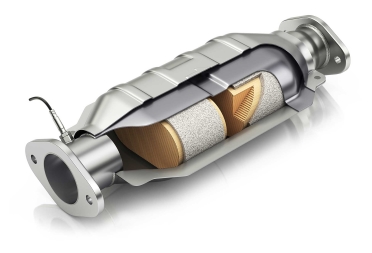
Global Catalytic Converter Market Outlook, 2030 is projected to reach market size of USD 132.21 Billion by 2030
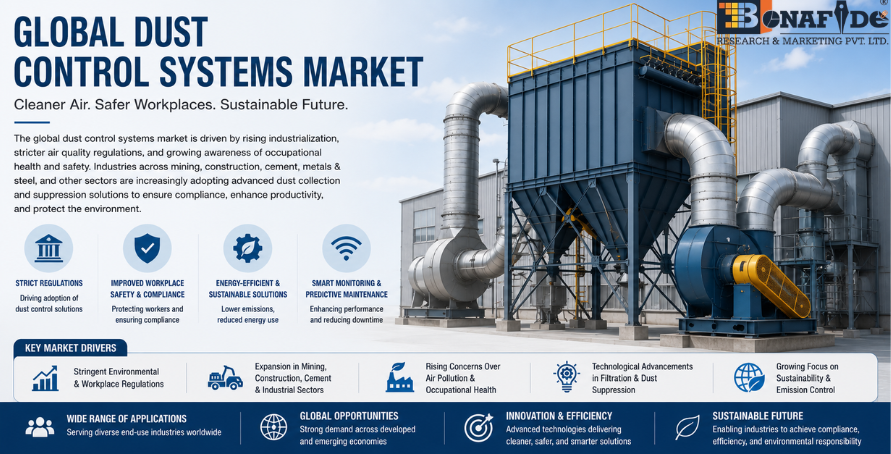
The Global Dust Control Systems Market was valued at more than USD 19.09 Billion in 2025 and is projected to reach more than USD 25.35 Billion by 2031, at a 4.97% CAGR from 2026-2031.

The Global Well Cementing Services Market was valued at USD 9.65 Billion in 2025 and is expected to reach USD 13.01 Billion by 2031, expanding at a CAGR of 5.24% from 2026-2031.
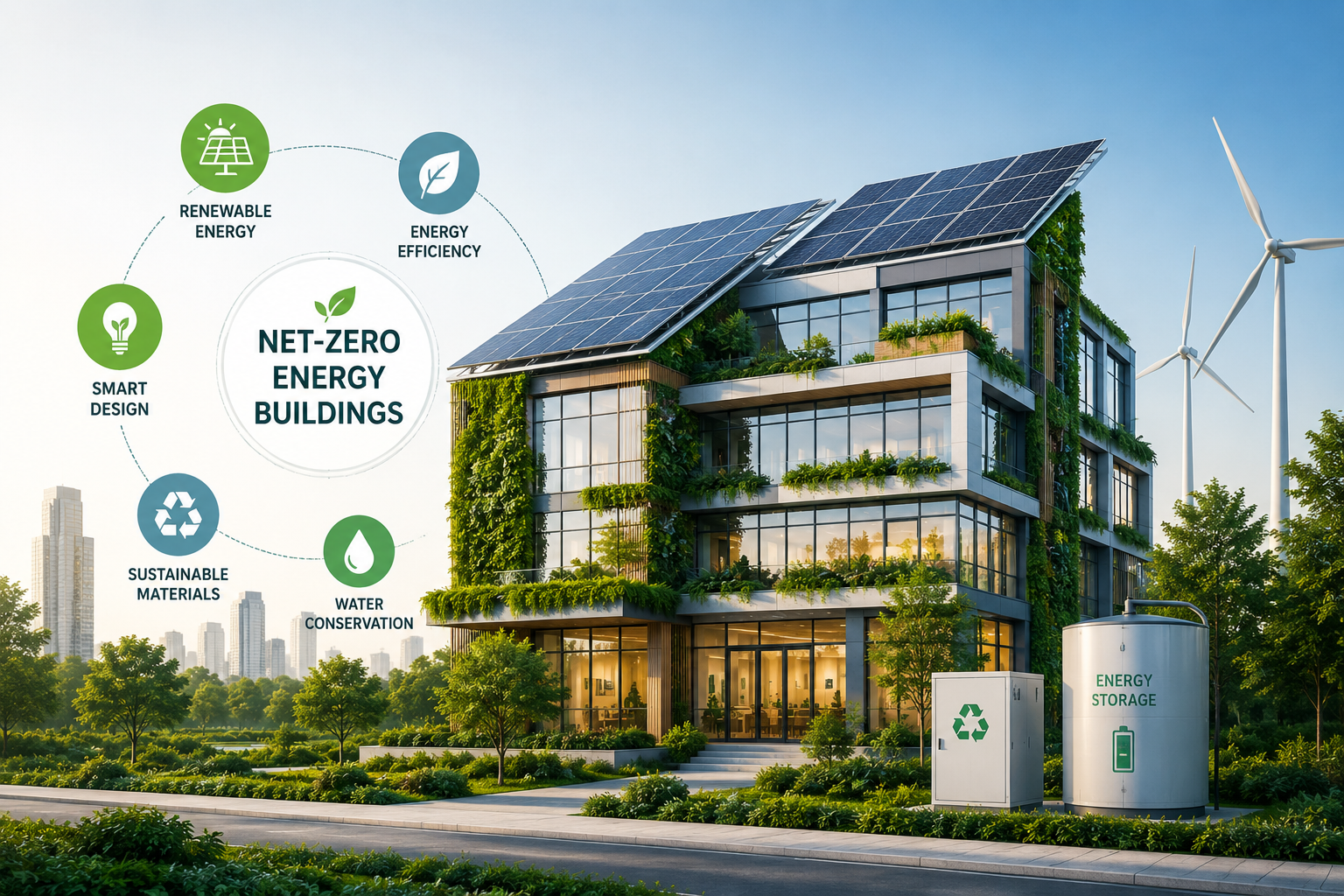
The Global Net-Zero Energy Buildings Market was valued at USD 51.40 billion in 2025 and is projected to reach USD 138.14 billion by 2031, expanding at a CAGR of 18.38% during 2026-2031.
 We are friendly and approachable, give us a call.