The Future of Driving is Centered on Prevention
The Global Automotive Collision Avoid System market was valued at more than USD 59.07 Billion in 2025, and expected to reach a market size of more than USD 101.68 Billion by 2031 with the CAGR of 9.72% from 2026-2031. The automotive industry is undergoing one of its most significant transformations, where safety is no longer limited to protecting passengers during accidents it is increasingly focused on preventing accidents before they happen. This shift is driving rapid growth in the automotive collision avoidance system market, as manufacturers prioritize technologies that improve road safety through intelligent intervention. Collision avoidance systems have emerged as one of the most critical components of modern vehicle safety architecture. These systems use advanced sensors, cameras, radar, LiDAR, and artificial intelligence to detect potential hazards, alert drivers, and in many cases automatically take corrective action to prevent collisions. As vehicles become smarter, connected, and increasingly autonomous, collision avoidance technologies are becoming central to the future of mobility.
AI-Powered ADAS is Accelerating Market Growth
One of the most influential trends driving the automotive collision avoidance system market is the rapid advancement of Artificial Intelligence-powered Advanced Driver Assistance Systems (ADAS). AI is transforming collision avoidance from a reactive safety feature into a predictive decision-making system. Modern collision avoidance systems can process vast amounts of real-time data from multiple sensors to identify nearby vehicles, pedestrians, cyclists, lane boundaries, and unexpected obstacles. AI-powered algorithms continuously analyze traffic conditions and driving behavior to predict collision risks with greater accuracy. This predictive capability significantly improves vehicle response time and reduces dependency on human reaction alone. As AI models become more advanced, collision avoidance systems are becoming smarter, faster, and more reliable.
Autonomous Mobility is Expanding System Adoption
The growing development of autonomous and semi-autonomous vehicles is creating substantial growth opportunities for collision avoidance systems. Autonomous mobility depends heavily on technologies that enable vehicles to perceive surroundings and respond safely to dynamic road conditions. Collision avoidance systems serve as a foundational layer for autonomous driving by enabling functions such as forward collision warning, automatic emergency braking, blind spot detection, lane departure warning, and adaptive cruise control. As automakers continue investing in autonomous vehicle development, demand for advanced collision avoidance systems is expected to accelerate significantly.
Rising Safety Regulations Supporting Market Expansion
Government regulations and vehicle safety standards are becoming increasingly stringent worldwide. Regulatory authorities are placing greater emphasis on active safety systems to reduce road accidents and improve traffic safety. Many global markets are encouraging or mandating the integration of collision avoidance technologies in passenger and commercial vehicles. Features such as automatic emergency braking and lane departure warning are increasingly becoming standard safety requirements. This regulatory push is driving widespread adoption across both premium and mass-market vehicle segments.
Sensor Fusion Driving Technological Innovation
Sensor fusion is emerging as a major technological trend within the automotive collision avoidance system market. Instead of relying on a single sensor, modern systems combine data from radar, cameras, ultrasonic sensors, and LiDAR to create a more comprehensive understanding of the surrounding environment. This multi-layered sensing approach improves accuracy, reduces false alerts, and enhances system reliability under diverse driving conditions including low visibility, heavy traffic, and complex urban environments. Manufacturers are increasingly investing in sensor fusion technologies to improve overall system performance and enable safer autonomous driving capabilities.
Regional Outlook
North America and Europe currently hold significant shares in the automotive collision avoidance system market due to strong automotive innovation, strict safety regulations, and high adoption of advanced driver assistance technologies. These regions continue to lead in automotive safety innovation and autonomous mobility development. The Asia-Pacific region is expected to witness the fastest market growth, driven by rising vehicle production, increasing consumer awareness of vehicle safety, and growing adoption of advanced automotive technologies. Countries such as China, Japan, India, and South Korea are emerging as major growth markets.
The future of the automotive collision avoidance system market lies in intelligence, automation, and predictive safety. As AI capabilities continue to advance and autonomous mobility moves closer to mainstream adoption, collision avoidance systems will become increasingly sophisticated and essential. Automotive safety is shifting from passive protection to active prevention. Companies investing in AI-powered analytics, sensor innovation, and advanced mobility solutions are expected to shape the next generation of intelligent transportation.



 By Sunny Keshri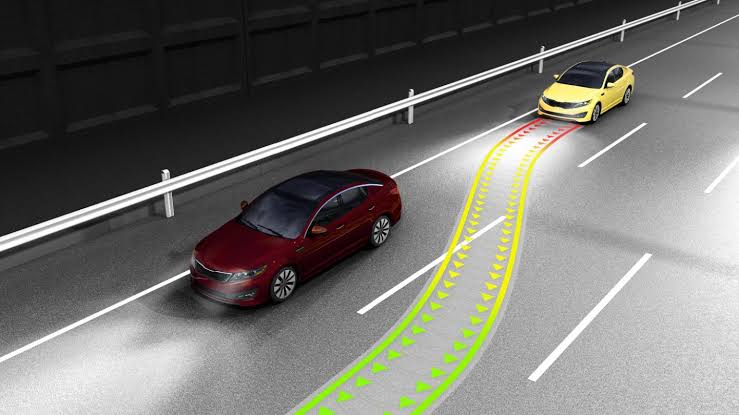


 We are friendly and approachable, give us a call.