

 By Sunny Keshri
 Eco-Friendly Commutes: Navigating the World of Electric Bicycles
Discover the world of electric bicycles, offering eco-friendly commuting options. Uncover the latest advancements in e-bike technology and how it's changing the way we travel.

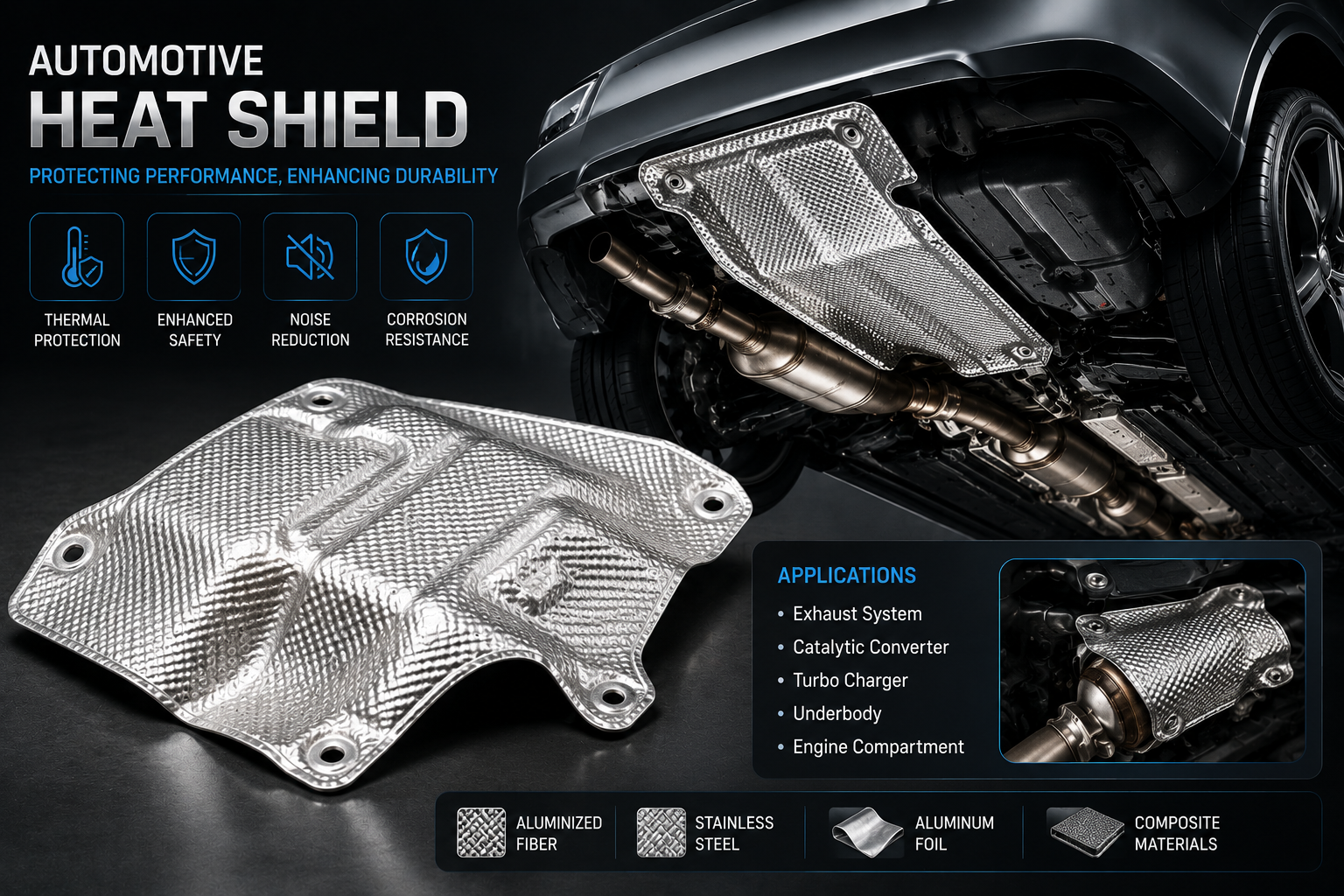
Thermal management has become a strategic priority The Global Automotive Heat Shield market was valued at more than USD 14.06 Billion in 2025, and expected to reach a market size of more than USD 18.48 Billion by 2031 with the CAGR of 4.78% from 2026-2031. The automotive industry is experiencing a profound transformation as manufacturers focus on vehicle electrification, lightweight engineering, and higher performance standards. While much of the attention has been directed toward batteries, autonomous technologies, and connected vehicles, thermal management has quietly emerged as one of the most critical aspects of modern vehicle design. At the center of this evolution is the automotive heat shield market, which is becoming increasingly important in protecting vehicle components from excessive heat while improving efficiency, durability, and passenger safety. Automotive heat shields are designed to manage and redirect heat generated by engines, exhaust systems, turbochargers, battery packs, and other high-temperature components. As vehicles become more technologically advanced, effective heat management is no longer simply a protective measure it has become an essential engineering requirement that directly influences vehicle performance, reliability, and energy efficiency. Electric vehicles are creating a new generation of heat shield solutions Although electric vehicles eliminate conventional internal combustion engines, they introduce new thermal management challenges associated with battery systems, electric motors, power electronics, and fast-charging technologies. Advanced heat shield materials are increasingly being developed to protect sensitive battery components from heat generated during charging and high-performance operation. Maintaining optimal battery temperatures is essential for improving driving range, extending battery life, enhancing charging efficiency, and ensuring vehicle safety. As global EV production continues to accelerate, demand for innovative thermal insulation and heat protection solutions is expected to grow significantly. Lightweight materials are driving product innovation Automotive manufacturers are continuously seeking ways to reduce vehicle weight without compromising safety or performance. This trend is encouraging the development of lightweight heat shields manufactured using aluminum, stainless steel composites, ceramic fibers, and advanced insulating materials. Modern heat shields provide superior thermal protection while contributing to overall vehicle weight reduction, helping manufacturers improve fuel efficiency in conventional vehicles and maximize driving range in electric vehicles. Material innovation has therefore become a key competitive factor within the automotive heat shield market, with manufacturers investing heavily in advanced engineering solutions that combine durability, thermal resistance, and lightweight performance. Stricter emission regulations are supporting market growth Governments around the world continue to implement increasingly stringent vehicle emission and fuel efficiency regulations. These regulatory changes are encouraging automakers to improve engine efficiency and reduce heat losses across powertrain systems. Efficient heat shielding enables engines and exhaust systems to maintain optimal operating temperatures, improving combustion efficiency while protecting nearby components from thermal damage. In hybrid vehicles, effective thermal management also contributes to smoother integration between internal combustion engines and electric powertrains. The growing emphasis on environmental compliance is expected to remain a key driver of investment in advanced heat shielding technologies. Thermal management is becoming more intelligent Another emerging trend in the automotive heat shield market is the integration of advanced thermal engineering with digital vehicle development. Manufacturers are increasingly using simulation software, computational fluid dynamics (CFD), and digital engineering tools to optimize heat shield design before production. These technologies enable engineers to improve airflow, reduce heat transfer, and develop customized thermal protection systems tailored to increasingly complex vehicle architectures. As software-driven vehicle development expands, thermal management solutions are becoming more precise, efficient, and application-specific. Regional outlook Asia-Pacific continues to dominate the automotive heat shield market due to its strong automotive manufacturing base and rapid growth in electric vehicle production. Countries such as China, Japan, India, and South Korea remain key contributors, supported by expanding vehicle production and increasing investments in automotive innovation. North America and Europe also represent significant markets, driven by advanced automotive research, premium vehicle manufacturing, and strict emission regulations. These regions continue to invest in lightweight materials, electric mobility, and next-generation thermal management technologies. The future of the automotive heat shield market will be shaped by vehicle electrification, lightweight engineering, and intelligent thermal management. As electric vehicles, hybrid powertrains, and high-performance automotive systems become increasingly sophisticated, effective heat protection will play an even greater role in ensuring safety, efficiency, and long-term reliability. Manufacturers that invest in advanced materials, sustainable manufacturing processes, and innovative thermal management solutions are expected to strengthen their competitive position. In the next generation of mobility, automotive heat shields will no longer be viewed as passive protective components they will become critical technologies enabling safer, more efficient, and higher-performing vehicles.
See how you can up your career status

Discover the world of electric bicycles, offering eco-friendly commuting options. Uncover the latest advancements in e-bike technology and how it's changing the way we travel.

Dive into the world of electric bikes (E-Bikes) and their role in revolutionizing personal transportation. Explore the benefits, technologies, and the joy of riding into the future.
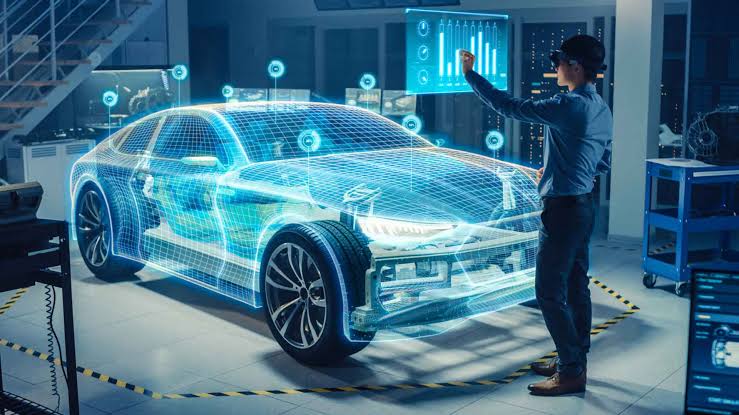
The Global Automotive Engineering Services market was valued at more than USD 193.63 Billion in 2025, and expected to reach a market size of more than USD 336.12 Billion by 2031 with the CAGR of 9.88% from 2026-2031.

The Global Secure Logistics market was valued at more than USD 94.26 Billion in 2025, and expected to reach a market size of more than USD 150.52 Billion by 2031 with the CAGR of 8.32% from 2026-2031.
 We are friendly and approachable, give us a call.