

 By Sunny Keshri
 Eco-Friendly Commutes: Navigating the World of Electric Bicycles
Discover the world of electric bicycles, offering eco-friendly commuting options. Uncover the latest advancements in e-bike technology and how it's changing the way we travel.

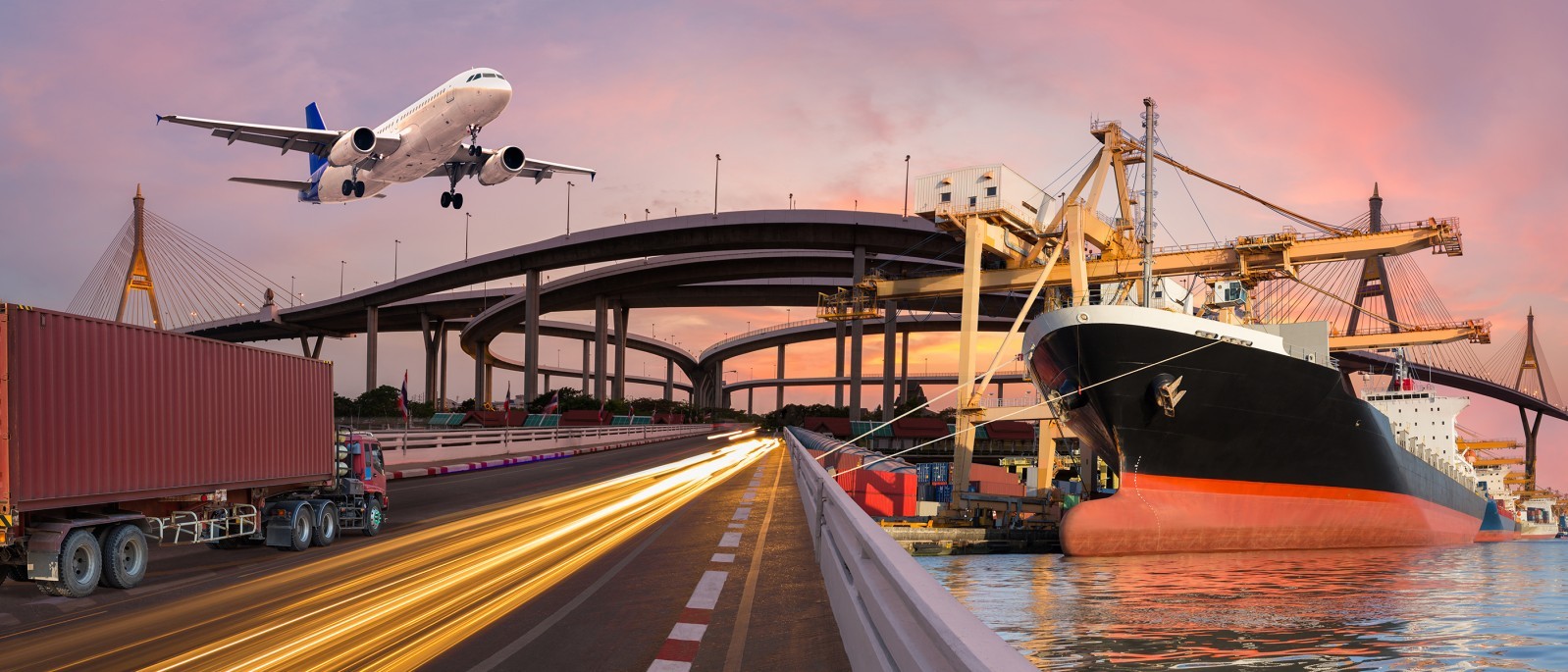
The Global Secure Logistics market was valued at more than USD 94.26 Billion in 2025, and expected to reach a market size of more than USD 150.52 Billion by 2031 with the CAGR of 8.32% from 2026-2031. The global logistics industry is entering a new era in which moving goods efficiently is no longer enough; businesses must also ensure that cargo, vehicles, facilities, and supply chain data remain protected throughout the transportation journey. Rising cargo theft, organized supply chain crime, geopolitical disruptions, counterfeit products, and increasingly complex international trade networks are creating greater demand for secure logistics solutions. The Secure Logistics Market is therefore gaining importance as manufacturers, retailers, financial institutions, pharmaceutical companies, and logistics providers invest in technologies and services that protect high-value shipments while improving supply chain visibility. Modern secure logistics increasingly combines physical security with digital technologies such as GPS tracking, IoT sensors, electronic seals, surveillance systems, biometrics, blockchain, and real-time monitoring platforms, enabling organizations to identify risks earlier and respond to disruptions more effectively. Real-time visibility is becoming a security requirement One of the most important trends shaping secure logistics is the transition from periodic shipment tracking to continuous, real-time visibility. Traditional tracking methods often provide limited information about where a shipment is located, while modern platforms can monitor vehicle movement, cargo conditions, route deviations, unauthorized stops, and potential security incidents in real time. IoT-enabled sensors can also monitor temperature, humidity, vibration, light exposure, and container opening, which is particularly valuable for pharmaceuticals, electronics, food products, and other sensitive cargo. Artificial intelligence is further strengthening this ecosystem by analyzing transportation data and identifying unusual patterns that could indicate theft, route deviation, unauthorized access, or operational disruption. Predictive analytics can help logistics operators identify high-risk routes and shipment conditions before an incident occurs, supporting a shift from reactive security toward proactive risk management. High-value and sensitive cargo are driving adoption Demand for secure logistics solutions is particularly strong among industries transporting high-value or highly sensitive products. Pharmaceutical and healthcare companies require strict control over shipments because temperature deviations, unauthorized access, or delays can compromise valuable medicines and vaccines. Similarly, electronics, luxury goods, precious metals, automotive components, and aerospace equipment require enhanced protection because of their high monetary value and vulnerability to theft. The growth of e-commerce is also creating new security requirements. As shipment volumes increase and delivery networks become more decentralized, logistics providers must protect goods across warehouses, fulfillment centers, transportation routes, and last-mile delivery networks. Secure access systems, tamper-evident packaging, digital authentication, surveillance technologies, and automated monitoring are increasingly being integrated into logistics operations to reduce losses and improve customer confidence. Digital security and physical security are converging The modern logistics environment is increasingly dependent on connected platforms, creating a growing intersection between physical cargo protection and cybersecurity. Fleet management systems, warehouse management platforms, transportation management systems, connected sensors, and cloud-based logistics applications generate valuable operational data but can also create additional cybersecurity vulnerabilities. As a result, logistics companies are adopting integrated security frameworks that combine physical surveillance, access control, identity verification, encryption, cybersecurity monitoring, and data governance. Blockchain and digital documentation technologies are also being explored to improve shipment traceability and create more transparent records across complex supply chains. This convergence is transforming secure logistics from a specialized security function into an integrated component of broader supply chain management. Regional expansion is creating new opportunities North America and Europe remain important markets for secure logistics due to established transportation infrastructure, sophisticated supply chain networks, high-value cargo movement, and increasing emphasis on regulatory compliance and supply chain resilience. The United States continues to represent a major market as businesses invest in cargo monitoring, fleet security, warehouse protection, and advanced tracking technologies. Meanwhile, Asia-Pacific is emerging as a significant growth region, supported by expanding manufacturing activity, international trade, e-commerce growth, and investments in logistics infrastructure. China, India, Japan, and South Korea are increasingly adopting digital logistics platforms, IoT-based monitoring, automated warehouses, and intelligent transportation technologies. As global supply chains become more interconnected, emerging markets across Southeast Asia, Latin America, and the Middle East are also creating opportunities for secure logistics providers. The future of the Secure Logistics Market will be shaped by the convergence of artificial intelligence, IoT, automation, predictive analytics, digital identity, and connected transportation systems. Logistics providers are expected to move toward integrated platforms capable of monitoring cargo, vehicles, facilities, and supply chain data through a single security ecosystem. As businesses place greater emphasis on supply chain resilience, security will increasingly become a strategic investment rather than simply an operational cost. Companies capable of combining real-time visibility with predictive risk management, advanced authentication, automated surveillance, and cybersecurity protection will be better positioned to reduce losses and maintain uninterrupted logistics operations. In an increasingly interconnected global economy, secure logistics is becoming a fundamental enabler of reliable, transparent, and resilient supply chains.
See how you can up your career status

Discover the world of electric bicycles, offering eco-friendly commuting options. Uncover the latest advancements in e-bike technology and how it's changing the way we travel.

Middle East Africa Last Mile Delivery market is anticipated to grow at more than 8.47% CAGR from 2025 to 2030.
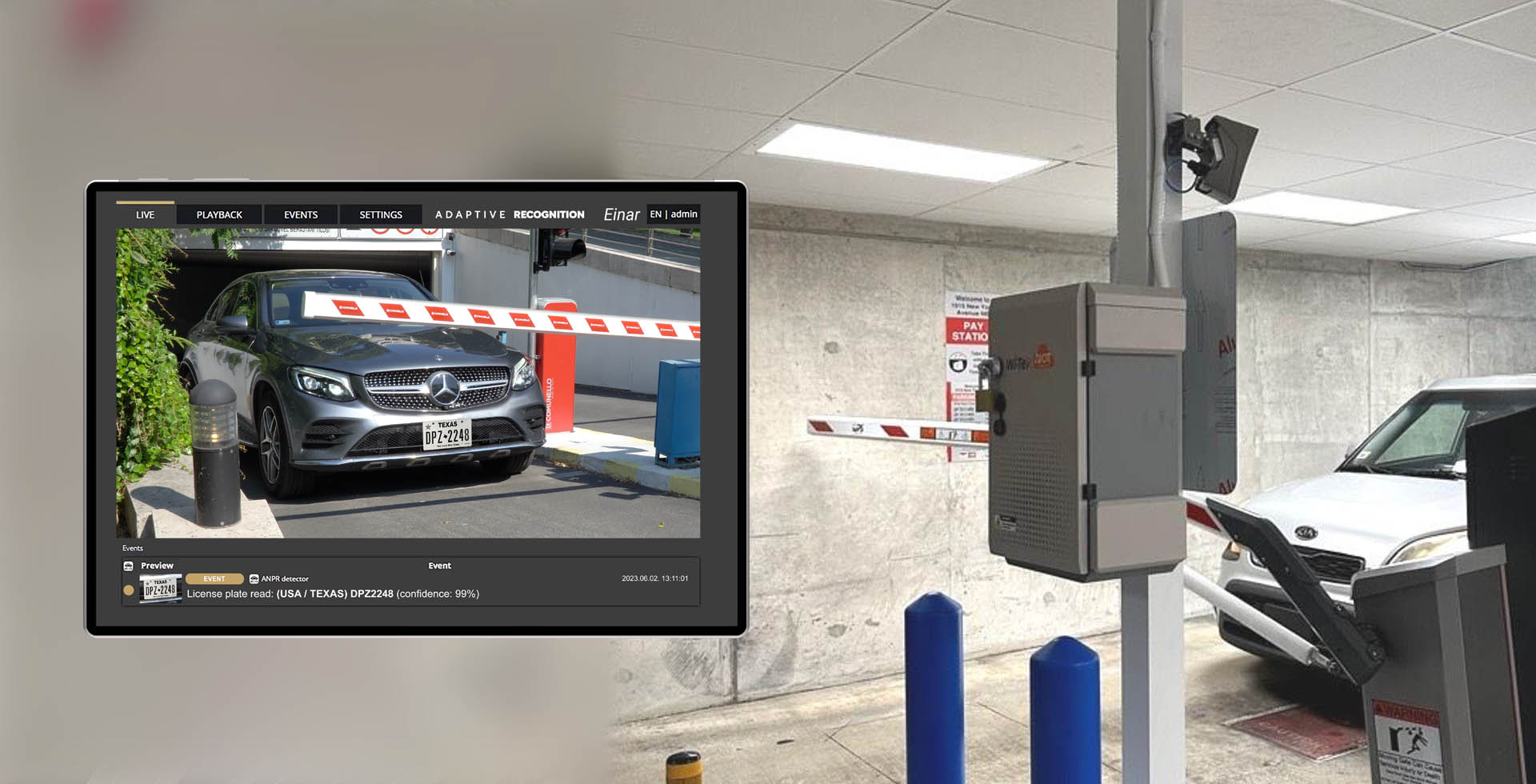
The Global Vehicle Access Control market was valued at more than USD 18.32 Billion in 2025, and expected to reach a market size of more than USD 32.89 Billion by 2031 with the CAGR of 10.51% from 2026-2031.

The Global Automotive Engineering Services market was valued at more than USD 193.63 Billion in 2025, and expected to reach a market size of more than USD 336.12 Billion by 2031 with the CAGR of 9.88% from 2026-2031.
 We are friendly and approachable, give us a call.