With growing paparazzi culture, movie and TV stars are nowadays always captured at the airport or popular hangout places by numerous cameras. Not only celebrities but also their infants are a major attraction as people love watching celebrities being captured with their children. These star kids are usually being carried by their oh-so-famous parents in fashionable and trendy baby mobility equipment, which in turn has made these products more famous among urban parents.
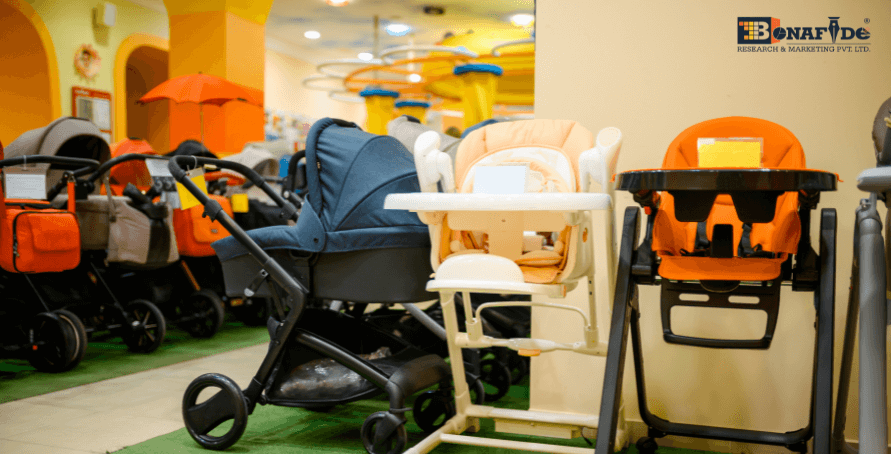
Parental care is an essential part of human nature. Parents, regardless of their level of wealth, always want to give the best to their children. Baby mobility products allow parents and caregivers ease of mobility while traveling or during household chores. These products give relaxing arms to mothers and help them gain much-needed rest post-delivery. Equipment like carriers helps them get back to a normal routine, as modern Indian women do not want their child to restrict their movements or work. Strollers and
prams make life much easier, and parents do not feel bogged down by the baby being attached to them 24*7. Child
car seats are relatively a new phenomenon in India. Since a baby has no way of exercising self-restraint, it is at a greater risk of being hurtled around the car. Using a child car seat helps to overcome these risks, and Indian parents have now started to understand this. On the other hand, baby walkers help babies learn to walk gradually. Baby carrycots are useful where strollers and prams are not appropriate, like in crowded places.
With changing consumer lifestyles, there has been a notable shift toward compact and multi-functional baby mobility equipment. Many working parents prefer lightweight, foldable strollers and travel systems that can be easily stored or carried. Additionally, modern strollers now come with innovative features like UV protection covers, adjustable recline positions, and smart storage compartments, making them more appealing to urban buyers. The demand for travel-friendly baby mobility equipment is increasing as more families opt for vacations and outings with their infants. Many brands are now integrating smart technology into their products, such as strollers equipped with automatic folding mechanisms, safety sensors, and even climate-controlled seating to enhance child comfort. The inclusion of eco-friendly materials, such as biodegradable fabrics and non-toxic plastics, is also becoming a major trend in the industry.
According to a recently published report by Bonafide Research, “India Baby Mobility Equipment (Walkers, Strollers & Prams, Carrycots, Car Seats and Carriers) Market Outlook, 2022”, the baby mobility equipment market is expected to cross a mark of Rs. 1000 crore in the year 2019-20, registering double-digit growth in India. Though 70% of the country's population lives in rural areas, the market is still dominated by urban cities. Urban parents usually have knowledge about gearing products and needful baby safety products. Their higher purchasing power makes them prominent customers to baby mobility equipment manufacturers. In the report, urban cities have been divided into four major clusters: Top 10 cities, 11-70 cities, 71-200 cities, and others. Top 10 cities and 11-70 cities together contribute more than 60% to the sales volumes as they have more number of higher-income educated parents, thus making it a key marketplace for players.
Indian people - whether girl or boy, man or woman, old or young, single or married - are extremely fond of Bollywood celebrities. They try to follow these celebrities on everything - whether it's about their dressing style, hairstyle, shoes, or products they use. Also, knowing about their lifestyle has become very easy in this social media age. Whenever these stars step out of their home, hundreds of cameras follow them and these pictures immediately go viral on all social media platforms. With the post-2010 boom in Bollywood websites and the coverage of film personalities in the newspapers, candid shots as well as video clips of stars sighted at airport terminals, movie previews, gymnasium sessions, en route to parties in their lavish cars, etc., have become regular.
Apart from all this, one trend that has really gone viral in the last two to three years is about capturing celebrity children, especially infants. As many as 10,000 publications and websites in various languages use these pictures, along with the
general public on social media. These star babies are usually being captured in some or the other mobility equipment, which in turn has made this product category more famous with all the necessary attention. Salman Khan was once seen carrying his nephew Ahil in a carrier; Mahendra Singh Dhoni was carrying his daughter Ziva, Lisa Haydon with his infant Zack, Sunny Leone with daughter Nisha, and most recently, Shweta Tiwari was seen carrying her child Reyansh in carriers and sling pouches. All of these celebrity pictures go viral on the internet and the much-informed urban parents try to replicate the same for their babies. There are numbers of brands selling baby mobility equipment in India, whether organized or unorganized, domestic or international. Some popular brands include names like Mee Mee, Babyhug, Graco, Chicco, Sunbaby, R for Rabbit, Hauck, Jane, 1st Step, Fisher Price, Tiffy & Toffee, and Anmol.
The baby mobility equipment market in India is also benefiting from the rapid expansion of
e-commerce platforms, which provide consumers with a wider variety of options and easy access to global brands.
Online shopping has become a preferred method for purchasing baby products, as it allows parents to compare prices, read product reviews, and avail of discounts. Many companies are leveraging
digital marketing strategies,
influencer endorsements, and social media promotions to increase their reach. Additionally, as nuclear families become more common, the demand for premium baby mobility products that promise safety, comfort, and convenience is expected to surge further.
Major companies operating in the baby mobility equipment market of India are Aardee Specials (Huack), Adorro India (Jane), Artsana India Private Limited (Chicco), BrainBees Solutions Private Limited (FirstCry), Me N Moms Private Limited (Mee Mee), R For Rabbit Baby Products Private Limited, and Ral Consumer Products Limited (Tiffy and Toffee).
















 We are friendly and approachable, give us a call.