

 By Sunny Keshri
 Top Six Companies Curtain Wall Market
Global Curtain Wall Market Outlook, 2030 is projected to reach market size of USD 102.61 Billion by 2030 increasing from USD 68.19 Billion in 2024

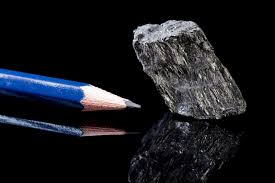
Graphite is becoming increasingly vital as the world shifts toward cleaner energy and sustainable transportation. It serves as the key material in lithium-ion batteries, mainly in electric vehicles (EVs), where it acts as the anode, helping batteries charge faster, last longer, and deliver more driving range. Demand for graphite is expected to grow rapidly with the expansion of EVs, doubling consumption over the next five years. To address supply risks, many governments and companies are focusing on diversifying sources and adopting sustainable mining and recycling practices. This blog highlights important market trends, the impact of graphite on industries, and what the future holds as new materials innovations and policies shape graphite’s role in powering electric mobility and advanced manufacturing.
The graphite industry is undergoing a significant transformation, fuelled mainly by the soaring demand from electric vehicle battery production and energy storage sectors. As EV adoption accelerates globally, graphite has become an indispensable material due to its unique properties that enhance battery efficiency and durability. Both natural and synthetic graphite are utilized in various applications, with synthetic graphite increasingly favoured for consistent quality and performance in high-tech battery anodes. The market is also influenced by industrial uses such as steelmaking, lubricants, and refractory materials, which continue to support steady demand. Geographic shifts in production capacity are notable, with efforts underway to diversify supply chains beyond China, the dominant supplier of natural graphite. This includes increased mining and processing investments in North America, Europe, and Africa, aimed at securing stable, ethical sources. Alongside technological innovations in synthetic graphite production and recycling, companies are improving quality and sustainability, addressing environmental and supply risk concerns. These developments position graphite as a critical resource underpinning the global shift towards clean energy and industrial modernization. Increasing partnerships and strategic investments further demonstrate the growing momentum behind graphite’s expanding role in the evolving energy landscape.
The rising demand for graphite is transforming multiple industries by driving innovation and reshaping supply chains. For manufacturers, graphite has become a key raw material, especially in the electric vehicle sector where it plays a crucial role in battery performance and efficiency. This shift pushes manufacturers to secure reliable graphite supply and invest in advanced processing technologies, impacting production strategies and costs. Consumers benefit as improved battery technologies lead to longer-lasting, more efficient electric vehicles, contributing to growing sustainable transportation options. Retailers also gain as EV sales increase and demand for related products grows. However, the trend brings challenges such as supply chain vulnerabilities, given the geographic concentration of graphite sources, which can lead to price fluctuations and availability issues. Environmental concerns around mining and processing require greater accountability and investment in cleaner, more sustainable practices. Regulatory pressures add complexity, requiring companies to balance growth with compliance. Despite these challenges, the benefits include enhanced energy storage solutions, technological advancement, and progress toward a lower-carbon economy. This dynamic environment is fostering collaboration across industries, encouraging innovation and sustainability in graphite sourcing and use.
The leading product type in the graphite market is synthetic graphite, which holds a significant share due to its high purity, temperature resistance, and performance predictability qualities advantageous for demanding industries such as batteries, refractories, and electronics. Synthetic graphite is engineered from high-purity carbon materials, making it essential for lithium-ion battery anodes, high-temperature applications, and specialized electronics, where consistent properties are critical. While natural graphite (flake, amorphous, or vein) is also prominent, especially for less processed industrial applications, synthetic graphite's dominance stems from rapid advancements in battery technology and growing demand from electric vehicle and energy storage markets. A core driver fueling synthetic graphite’s expansion is the surging need for dependable battery materials in electric vehicles, consumer electronics, and stationary energy storage systems, as each EV requires up to 80 kilograms of graphite for battery anodes. Government initiatives promoting electric mobility, technological progress in battery efficiency, and significant investment in synthetic graphite plants (especially outside Asia to diversify supply) are amplifying growth opportunities. Synthetic graphite’s tailored purity and attributes further enable innovation in emerging sectors like high-performance semiconductors, advanced lubricants, and aerospace thermal protection, aligning with global trends in sustainability, energy transition, and precision manufacturing. As industries prioritize higher purity, customizable properties, and reliable sourcing, synthetic graphite is set to remain the most influential segment in the graphite market, fueled by both near-term battery demand and the longer-term evolution of clean energy and advanced materials.
The future outlook for graphite is defined by robust growth amplified by global advancements in electric vehicles, renewable energy, electronics, and advanced manufacturing. Demand for graphite is set to soar as it becomes indispensable in lithium-ion batteries, supporting surging electric vehicle adoption, grid-scale energy storage, and the expanding renewable energy sector. Technological enhancements are pushing graphite use into emerging applications such as solar panels, 3D-printed composite materials, and advanced ink printing technologies for flexible electronics and sensors. The shift toward cleaner energy and increased thermal management needs in high-performance electronics are also triggering further application innovations and driving sustained investments in production and purification technologies. Sustainability concerns, supply chain security, and ethical sourcing are shaping new industry priorities, encouraging investments in recycling, domestic processing, and environmentally responsible mining across North America, Africa, and Australia, with efforts to reduce dependency on single-region sources. Artificial intelligence and digitalization are improving operational agility, data-driven decision-making, and responsiveness to changing market dynamics. Businesses can capitalize on these trends by integrating graphite into greener energy storage, automotive components, thermal management solutions, and lightweight composites. Manufacturers should focus on vertical integration and the development of secure, high-purity supply chains. Collaboration in research and development, particularly in recycling and advanced manufacturing technologies, will help companies stay competitive. Stakeholders including governments and consumers can further support sustainable graphite practices by endorsing transparent sourcing and encouraging green supply chains, ultimately supporting the critical role graphite will play in the future of technology and clean energy.
See how you can up your career status

Global Curtain Wall Market Outlook, 2030 is projected to reach market size of USD 102.61 Billion by 2030 increasing from USD 68.19 Billion in 2024
The Global Construction Fabric market was valued at more than USD 17.06 Billion in 2024, and expected to reach a market size of more than USD 24.33 Billion by 2030

The global construction plastic market is projected to reach USD 180.06 billion by 2030, growing at a 7.35% CAGR from 2025 to 2030.
 We are friendly and approachable, give us a call.