

 By Sunny Keshri
 Top Six Companies Curtain Wall Market
Global Curtain Wall Market Outlook, 2030 is projected to reach market size of USD 102.61 Billion by 2030 increasing from USD 68.19 Billion in 2024

Construction sites now use plastic waste in ways that once seemed impossible. As the world faces rising plastic pollution and climate change, builders and engineers are turning to recycled plastics as a practical, eco-friendly solution. This shift is not just about reducing wastes, it’s about creating stronger, longer-lasting structures with less environmental impact. One standout example comes from Australia, where engineers used soft plastics like shopping bags and wrappers to build structural panels. These panels rival concrete in strength but come with 48% less carbon impact. The panels already support a real pedestrian bridge, showing this isn’t just theory, it’s happening now. This blog explores how recycled plastics are moving from trash bins to construction beams, and why this trend matters for the building industry.
The use of recycled plastics in structural construction has emerged as a fast-growing trend across the global building sector. This shift is backed by growing concerns over plastic waste and the urgent push for sustainable materials in construction. Builders are now using high-strength plastic composites made from post-consumer and post-industrial waste. These materials include recycled polyethylene (PE), polypropylene (PP), and polystyrene (PS), often mixed with glass fibers or other reinforcements to improve performance. Unlike traditional plastics, these composites meet structural requirements like load-bearing capacity, weather resistance, and long-term durability. In the United States, the market for recycled plastic in construction is growing, with recent reports from the EPA noting over 4.2 million tons of plastic construction products used annually. Several countries now promote the use of plastic lumber, recycled PVC panels, and molded plastic blocks in infrastructure projects like walkways, retaining walls, piers, and formwork. Unlike wood or concrete, recycled plastic does not corrode, warp, or rot, making it ideal for outdoor or moisture-heavy environments. It is also lighter, reducing transportation costs and installation time. Germany and the Netherlands have piloted recycled plastic road surfaces, while in Kenya, startup companies produce plastic bricks that are stronger and cheaper than cement-based alternatives. The Indian construction sector is exploring plastic waste in pavement and road construction to tackle local pollution issues. This trend aligns with global goals around circular economy practices, where waste becomes a raw material for new, valuable applications in civil and structural works.
The shift toward using recycled plastics in structural construction is changing how the industry sources, designs, and builds with materials. Manufacturers now repurpose plastic waste into construction-grade components like beams, panels, blocks, and formwork. This change reduces dependency on concrete, steel, or timber while opening cost-effective production paths. It also drives investment in recycling systems and machinery. Retailers adjust their offerings by stocking plastic-based products that meet green building demands. These items attract consumers looking for durable and eco-conscious options. Contractors benefit from reduced material weight, quicker installation, and resistance to water, rot, and pests. For consumers, especially in remote or flood-prone areas, structures made from recycled plastics offer better durability and lower maintenance. However, the trend brings several challenges. Not all plastic waste types are suitable for structural use, which limits raw material options. Building codes and certifications often lack clear guidelines for recycled plastic products, slowing their adoption. In some markets, the cost of processing and transporting waste plastics is higher than sourcing traditional materials. Aesthetic limitations and concerns about long-term behavior under stress or fire can also affect demand. Despite these hurdles, several developers and municipalities are integrating recycled plastic into projects like bridges, walkways, fences, and affordable housing components. The use of plastic-based materials in load-bearing or exterior applications marks a significant shift in product acceptance and structural engineering methods.
Plastic lumber, made from recycled high-density polyethylene (HDPE), polypropylene (PP), and other post-consumer plastics, has emerged as the leading product type in construction. It is widely used for decking, fencing, outdoor furniture, and even structural components due to its durability and resistance to moisture, rot, insects, and chemicals. The increasing demand for plastic lumber is driven by a shortage of natural wood, which has become more expensive and less accessible due to supply chain issues. Environmental regulations that promote recycling and sustainability further support its growth, as plastic lumber contributes to green building initiatives and LEED certification. Its lightweight nature also reduces transportation costs, making it more cost-effective in some projects. Additionally, plastic lumber’s resistance to weather conditions makes it an ideal material for coastal regions where traditional wood is prone to decay from saltwater exposure. The expanding use of modular and prefabricated construction methods creates more opportunities for plastic lumber in mass production and faster assembly. With the growing focus on sustainable materials and long-lasting solutions, plastic lumber’s market is expected to continue expanding across residential, commercial, and infrastructure sectors.
The future of recycled plastics in construction looks promising, with increasing demand for sustainable materials driven by environmental concerns and stricter regulations. As recycling technologies advance, new innovations, such as chemical recycling and bioplastics, will enhance the performance and range of recycled plastic materials used in construction. Additionally, the rise of smart materials, like plastics embedded with sensors for monitoring building conditions, will open new possibilities for "smart" infrastructure. Businesses can adapt by investing in advanced recycling systems, forming partnerships to develop high-quality materials, and ensuring compliance with emerging building codes and certifications. Construction companies will need to incorporate these materials into their projects, while architects and developers can drive change by specifying sustainable options in their designs. Retailers and suppliers should expand their offerings to meet growing demand, positioning themselves as leaders in the eco-friendly construction market. This trend will not only help reduce waste and carbon footprints but also provide durable, cost-effective solutions that are essential for the future of the industry.
See how you can up your career status

Global Curtain Wall Market Outlook, 2030 is projected to reach market size of USD 102.61 Billion by 2030 increasing from USD 68.19 Billion in 2024
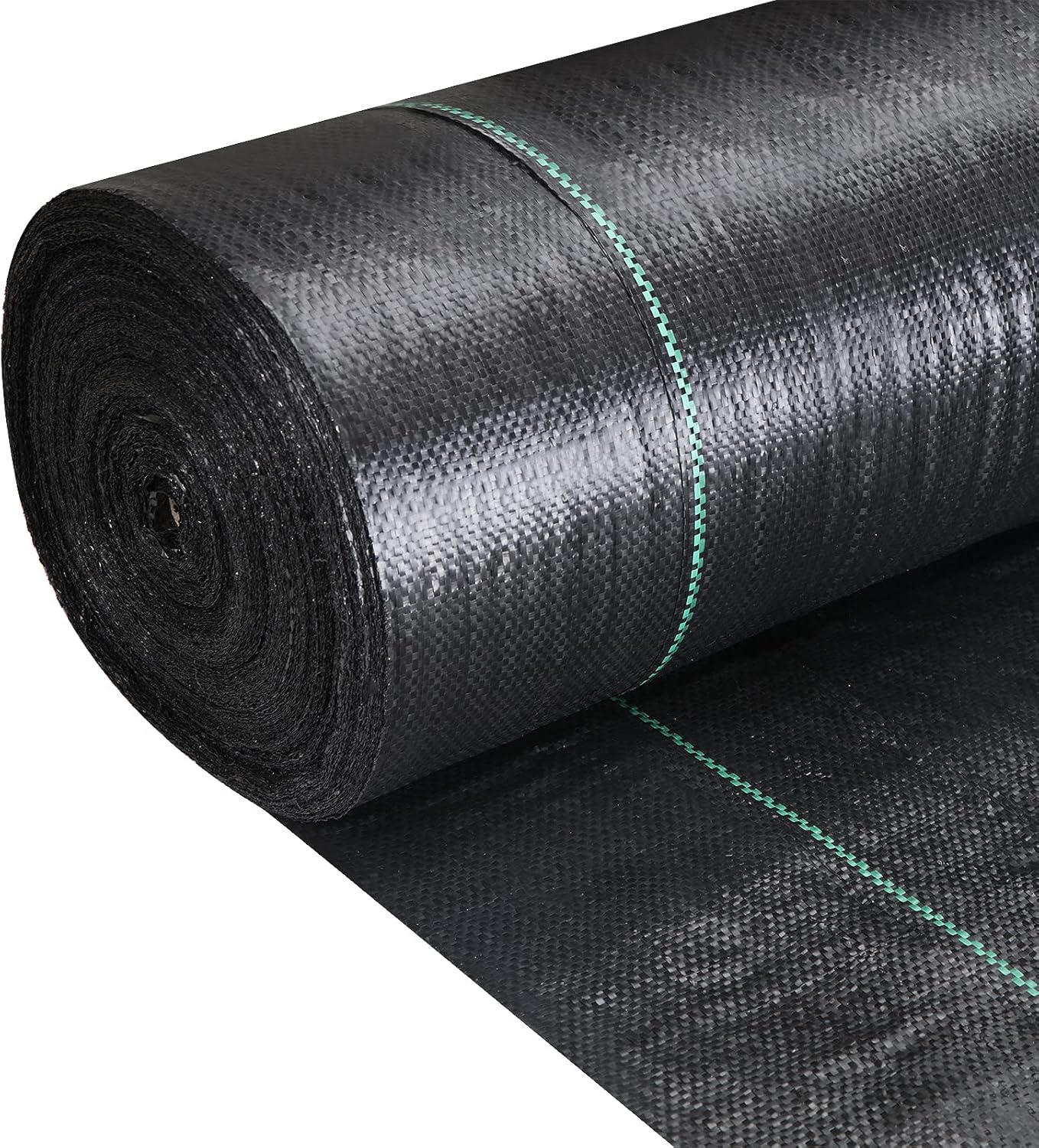
The Global Construction Fabric market was valued at more than USD 17.06 Billion in 2024, and expected to reach a market size of more than USD 24.33 Billion by 2030

The global graphite market, valued at over USD 29.04 billion in 2024, is expected to surpass USD 46.24 billion, driven by the increasing demand for electric vehicle batteries.
 We are friendly and approachable, give us a call.