

 By Raj Shrivastav
 Future Insights for Bath & Hot Tub Markets
The global bath & hot tub market will grow from USD 15.29 Billion in 2024 to USD 21.53 Billion by 2030 at a 6% CAGR.

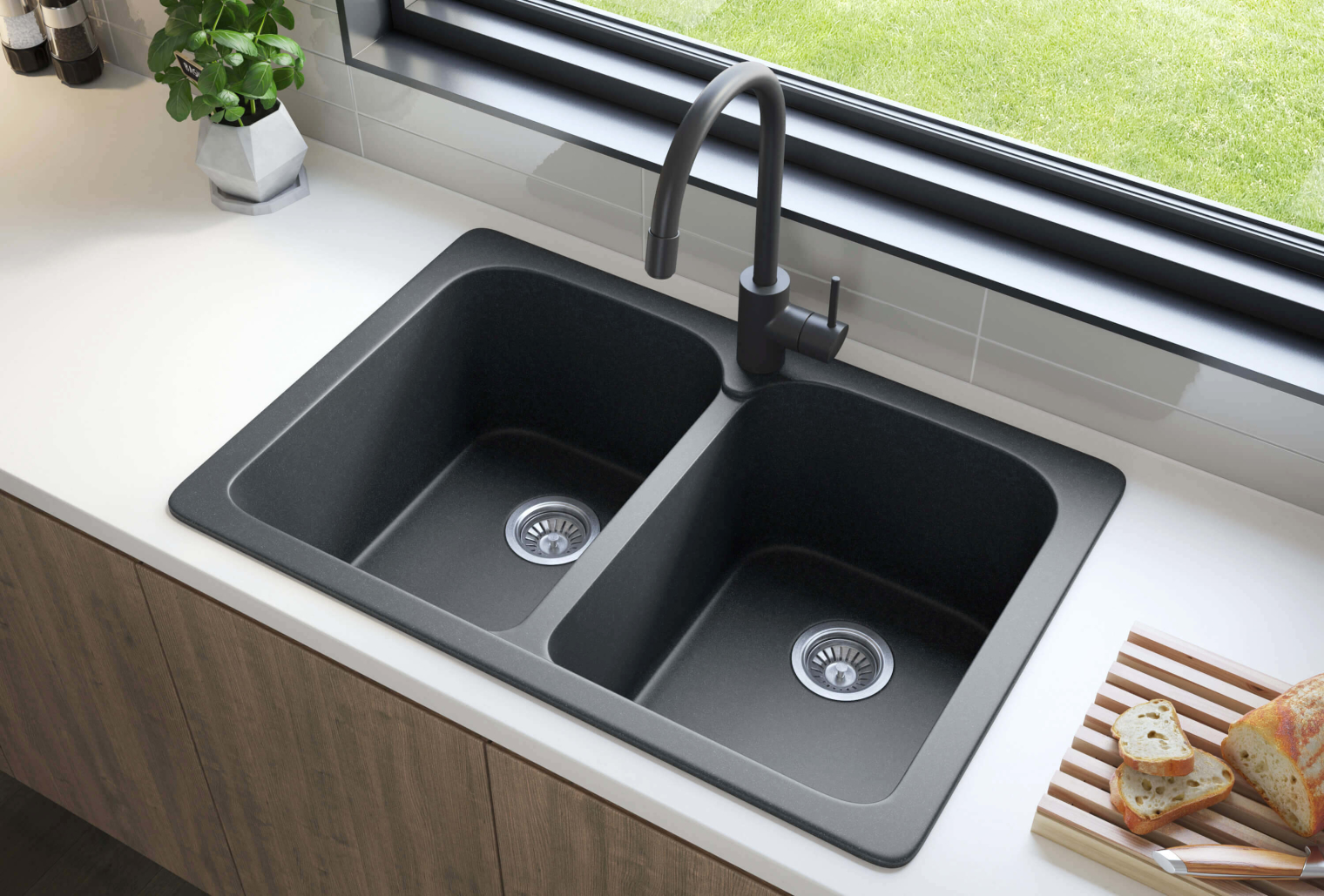
Nowadays, the kitchen is the center of daily life in our functional, design-focused houses, with the kitchen sink as its focal point. The kitchen has changed from a practical area to the hub of the home. Kitchen sinks have transformed from a strictly utilitarian item to one that expresses strong opinions about style, technology, and sustainability. The kitchen sink industry is going through a dramatic shift as designers and homeowners try to strike a balance between functionality and aesthetics. The emphasis has changed to innovation that enhances contemporary lifestyles, as seen by integrated workstation sinks, touchless faucets, and smooth, matte black finishes. This blog discusses the newest trends that are redefining kitchen sinks, with a focus on how materials, design, and technology are affecting consumer behavior and altering the culinary experience. The kitchen sink has become a crucial component of design and usefulness as consumers grow more aware of form and function, making it a subject deserving of greater examination in the ever-changing world of home improvement.
The integration of smart technology and multifunctional design is a major trend changing the kitchen sink industry. Modern consumers are more and more looking for sinks that not only fulfill their main function but also improve the kitchen's convenience and efficiency. Touchless faucets, integrated water filtration systems, and compatibility with smart home appliances are now common features in high-end versions. These advancements increase cleanliness by minimizing the need for physical contact and giving consumers more control over their water consumption, which is in line with growing environmental awareness. There is an increasing demand for sinks composed of durable, low-maintenance materials such as stainless steel, granite, and composite. These materials are perfect for busy kitchens since they are resistant to stains, scrapes, and corrosion. The use of high-quality materials and cutting-edge features demonstrates a trend towards goods that combine fashion and functionality to meet the changing demands of contemporary households.
The kitchen fixture market is undergoing significant changes as a result of the increasing popularity of intelligent, versatile, and aesthetically pleasing kitchen sinks. The change has caused manufacturers to move away from creating simple utility sinks and toward creating high-end, tech-integrated products that blend beauty, functionality, and sustainability. As a result, brands have concentrated on the flawless incorporation of features like touchless operation, integrated chopping boards, colanders, drying racks, and even water purification systems, which has fostered material and design innovation. By providing a larger, more appealing product portfolio that caters to both tech-savvy customers and homeowners who are concerned about fashion, retailers may benefit from increased market segmentation and higher profit margins. The convenience, cleanliness, and design adaptability that these high-tech sinks offer to contemporary kitchens are what attract customers. But there are obstacles in this evolution. Increased retail costs may result from higher production costs and more complicated supply chains, which may restrict access for consumers who are price-conscious. Furthermore, retailers and installers need to keep current with new technologies and materials, which may necessitate training and assistance. The advantages are compelling, however. Businesses have more chances to set themselves apart in a cutthroat industry, and consumers gain more style and functionality. The industry is moving toward a more vibrant, creative future overall as a result of the need for more intelligent and elegant sinks, where form and function are seamlessly integrated rather than distinct. The kitchen sink is becoming a focal point of change in the contemporary home as sustainability and convenience continue to influence consumer choices.
Known for its durability, adaptability, and affordability, the stainless-steel sink is one of the most popular product types in the kitchen sink industry. Because stainless steel sinks are resistant to heat, stains, and corrosion, they continue to be a preferred option for homeowners, contractors, and designers. Their neat, modern style also goes well with a wide range of kitchen designs, from classic to modern. Their practicality in both residential and commercial kitchens is a significant factor in their sustained dominance. In comparison to stone or ceramic options, these sinks are lighter, making them simpler to install and less costly. Additionally, their practical appeal is enhanced by their support for multi-basin setups and deep bowls. Due to the growing popularity of open-concept kitchens and industrial design features, stainless steel complements the minimalist, professional-grade aesthetic that many consumers seek. The integration of modern features like sound-dampening technology, anti-scratch coatings, and workstation add-ons such as sliding accessories that transform the sink into a multifunctional prep zone is another important opportunity. Furthermore, stainless steel's recyclability promotes sustainable purchasing choices as consumers grow more environmentally aware. The reputation of stainless steel for dependability and its flexibility to new trends guarantees that it remains a mainstay of the kitchen sink industry, despite the competition from newer materials like quartz composite. In order to cater to a wider aesthetic range, manufacturers are introducing matte finishes, textured patterns, and even color-coated variants. Its blend of performance, design, and value still offers significant potential for expansion in both new construction and remodeling.
A combination of intelligent technology, environmentally friendly materials, and multifunctional design will propel the future of the kitchen sinks industry. Sinks will become even more essential as kitchens continue to transform into the focal point of the home, serving as high-performance, technology-integrated work centers rather than just utility stations. Innovative trends include intelligent sinks that have integrated sensors for touchless operation, water conservation measures, and real-time water use monitoring. The shift in consumer preferences toward health and sustainability is also reflected in the growing popularity of materials such recycled stainless steel, quartz composites, and antibacterial surfaces. Furthermore, workstation sinks, which include integrated colanders, drying racks, and cutting boards, are growing in popularity because they provide both space-saving and workflow efficiency. Manufacturers must invest in R&D to create sinks that strike a balance between functionality, aesthetics, and environmental friendliness in order to adapt. To appeal to both environmentally aware and tech-savvy consumers, retailers should concentrate on educating consumers about the advantages of modern sink systems and provide a wide range of options. By incorporating premium, adaptable sinks into contemporary kitchen designs, designers and homebuilders can take advantage of this trend and improve both functionality and aesthetic appeal. When choosing a sink, consumers should keep long-term value in mind, selecting solutions that conserve water, enhance kitchen ergonomics, and match their aesthetic preferences. Stakeholders throughout the board need to remain ahead of these developments as innovation progresses in order to satisfy the changing demands of the contemporary kitchen, where the sink has transformed from an afterthought into a complex focal point for culinary and lifestyle activities.
See how you can up your career status

The global bath & hot tub market will grow from USD 15.29 Billion in 2024 to USD 21.53 Billion by 2030 at a 6% CAGR.
 We are friendly and approachable, give us a call.