

 By Raj Shrivastav
 Shaping modern kitchens with insights into the global kitchen sinks market
The Global Kitchen Sink Market is projected to hit USD 5.10 Billion by 2030, propelled by premium designs and demand for functional aesthetics.

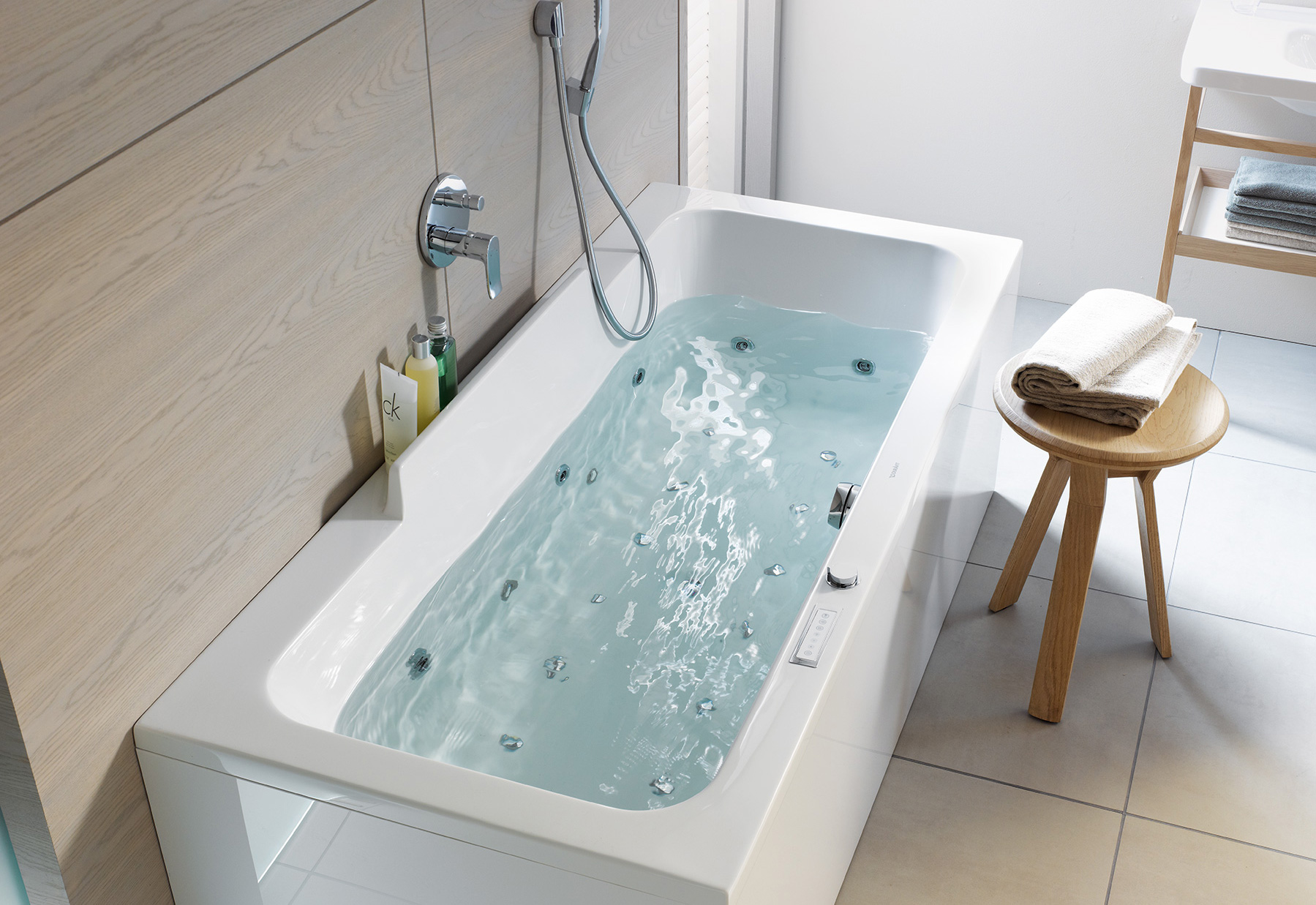
As worldwide wellness movements gather steam and homeowners are more inclined to invest in creating personal havens, the bath tub and hot tub market finds itself at a crucial crossroads. No longer merely functional fixtures, these products embody relaxation, luxury, and the healing advantages of hydrotherapy, making them highly pertinent in today’s stress-aware society. Propelled by increasing disposable incomes and a strong emphasis on home enhancements, consumers are actively pursuing methods to incorporate spa-like experiences into their everyday routines. This blog examines this thriving market, concentrating on the significant trends propelling growth – particularly the integration of wellness, luxury features, and smart home technology. We will investigate changing consumer preferences, scrutinize market dynamics, spotlight innovations, and present forecasts on the future trajectory of the bath and hot tub industry, offering valuable insights for both homeowners and industry stakeholders.
The hot tub and bathtub industries are undergoing major changes, influenced by shifting consumer preferences, advancements in technology, and an increasing focus on wellness and sustainability. In the hot tub industry, there is a clear trend towards models that provide improved relaxation and therapeutic advantages. Buyers are progressively looking for features such as adjustable jets, chromotherapy lighting, and integrated sound systems to replicate a spa-like atmosphere at home. This phenomenon signifies a wider movement towards incorporating wellness into everyday living, with hot tubs acting as private sanctuaries for stress alleviation and physical refreshment. Likewise, the bathtub industry is experiencing a rise in popularity for luxury and multifunctional styles. Freestanding tubs, frequently made from materials like acrylic and stone, are becoming key design features in contemporary bathrooms. These tubs function not only as practical installations but also as focal points that enhance the overall beauty of the area. Moreover, there is an increased interest in bathtubs featuring advanced options such as hydrotherapy jets, heated surfaces, and smart controls, designed to satisfy consumers’ cravings for customized and lavish bathing experiences. Sustainability serves as another critical factor influencing both sectors. Producers are progressively prioritizing eco-friendly materials and water-conserving technologies to attract environmentally aware consumers. This includes the use of recyclable materials and the integration of energy-efficient systems in hot tubs and bathtubs.
The increasing inclination toward luxury, wellness-oriented hot tubs and bathtubs is transforming the industry in significant ways. For consumers, this inclination signifies improved access to relaxation and wellness experiences right in their homes. Enhanced features, including hydrotherapy jets, chromotherapy lighting, and eco-friendly choices, are turning bathing into a more personalized and luxurious experience. Consumers are not merely acquiring a functional item; they are making an investment in relaxation and health, prompting a change in purchasing habits toward premium, feature-laden products. For manufacturers, this inclination has sparked innovation. To satisfy the demand for upscale, multifunctional products, they are progressively incorporating technology into designs, such as smart controls and energy-efficient systems. This change also necessitates manufacturers to invest in sustainable practices, such as utilizing recyclable materials and minimizing water use, in line with the rising consumer preference for environmentally friendly products. The necessity for ongoing innovation has also led to increased collaborations with tech firms, adding complexity to production methods but simultaneously providing opportunities for differentiation. Retailers, conversely, are modifying their strategies to deliver personalized experiences. With the rise in demand for luxury and customizable options, retailers are assembling more exclusive product lines and improving customer service through design consultations and tailored delivery choices. Nonetheless, the trend also presents challenges. The expense of producing high-end products can be elevated, resulting in higher retail prices, potentially restricting the market to wealthy consumers. Furthermore, the heightened emphasis on technology and sustainability may complicate supply chains, necessitating substantial investment in research and development to maintain competitiveness.
The primary product category in the hot tub and bathtub industries is the luxurious hot tub, which merges premium features with wellness-oriented advantages. These hot tubs are crafted to deliver a spa-like ambiance at home, incorporating elements such as adjustable jets, chromotherapy lighting, integrated sound systems, and smart controls. The luxurious hot tub has experienced substantial popularity due to its capability to provide a thorough relaxation experience, rendering it a sought-after addition to high-end residences and wellness-focused lifestyles. Multiple factors are propelling the expansion of this product segment. To begin with, the growing focus on health and wellness is a significant contributor. As consumers search for methods to enhance their physical and mental health, hot tubs are regarded as an accessible option for stress relief, muscle easing, and therapeutic benefits like hydrotherapy. Furthermore, the trend of establishing at-home spas has increased, especially in reaction to the COVID-19 pandemic, which motivated individuals to invest in home comfort and self-care. The luxurious hot tub segment also gains from technological advancements. The integration of smart functionalities, such as temperature regulation through apps and energy-efficient systems, attracts tech-oriented consumers who prioritize convenience and sustainability. Additionally, the need for eco-friendly and water-efficient technologies offers chances for manufacturers to innovate, appealing to environmentally aware purchasers. Nevertheless, the market does encounter obstacles. High upfront expenses and continual upkeep may restrict affordability for a wider audience. Regardless of this, prospects for growth remain robust in emerging markets and among wealthy consumers, fueled by the rising importance placed on personal wellness and luxury living.
See how you can up your career status
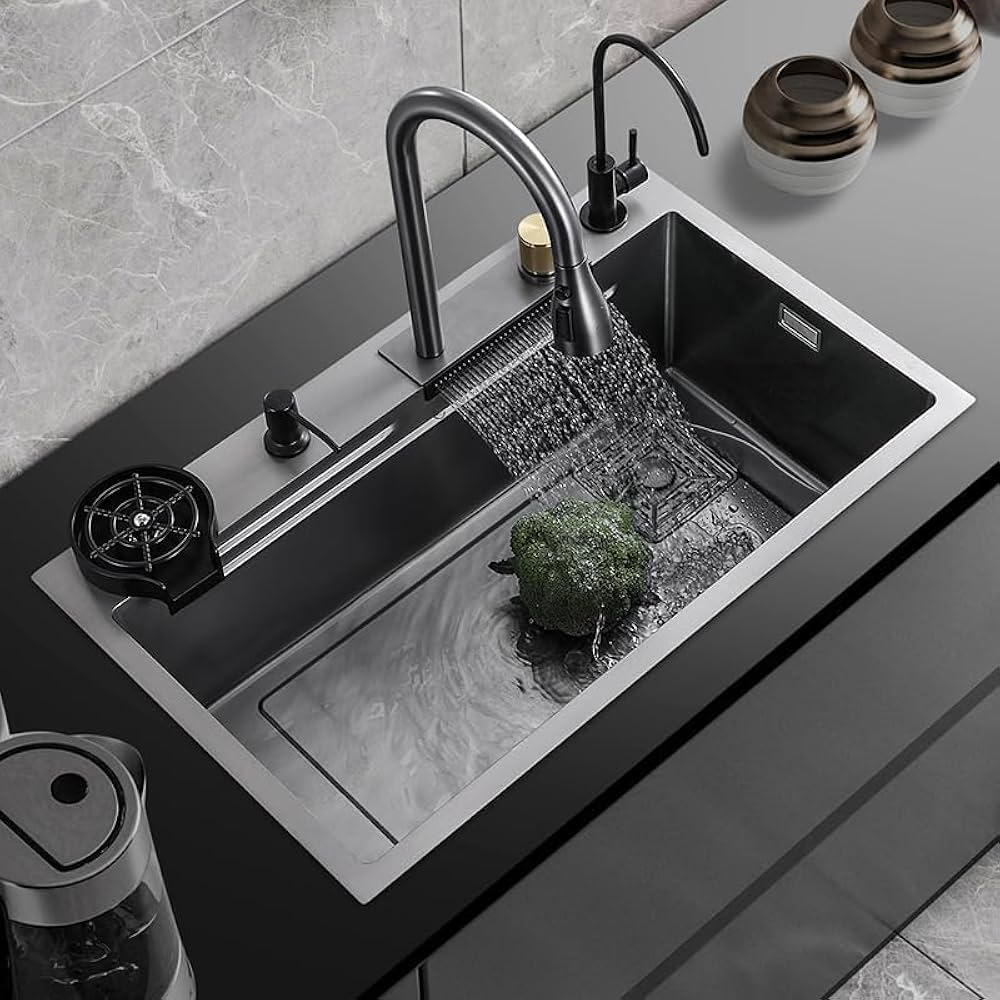
The Global Kitchen Sink Market is projected to hit USD 5.10 Billion by 2030, propelled by premium designs and demand for functional aesthetics.
 We are friendly and approachable, give us a call.