

 By Raj Shrivastav
 Top 6 Companies Table Linen Market
Global Table Linen Market Outlook, 2029 anticipated to cross USD 16 Billion by 2029, increasing from USD 11.62 Billion in 2023.

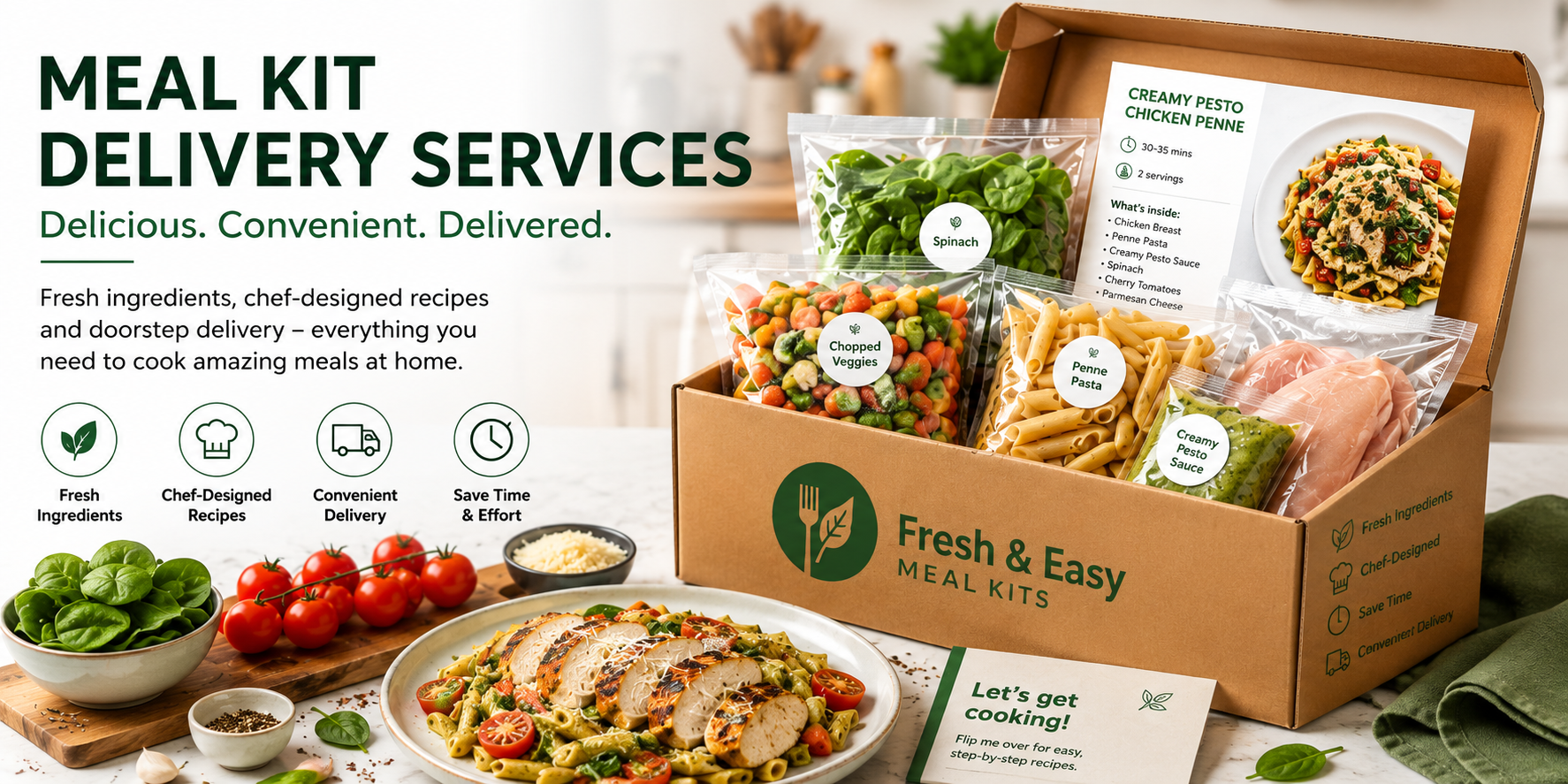
The Global Meal Kit Delivery Services Market was valued at USD 38.90 billion in 2025 and is projected to reach USD 63.13 billion by 2031, at 8.62% CAGR by 2026-2031.
The global food and beverage industry is undergoing a significant transformation, extending far beyond traditional grocery retail to encompass how consumers plan, shop for, and prepare their daily meals. As urban lifestyles become increasingly fast-paced and consumers seek greater control over their nutrition, the Meal Kit Delivery Services Market has become an integral part of the modern food value chain. From subscription-based home deliveries to retail partnerships, meal kit providers ensure that fresh ingredients and easy-to-follow recipes reach consumers efficiently, enabling them to cook healthy, delicious meals at home. Increasing demand for convenience, time-saving solutions, portion control, culinary variety, and sustainable food sourcing is driving innovation across the industry, enabling consumers to enjoy home-cooked meals without the traditional hassles of meal planning and grocery shopping.
Digitalization is revolutionizing meal planning and food delivery
Consumers are increasingly adopting digital technologies to simplify their meal preparation and grocery shopping routines. Cloud-based meal planning platforms, mobile ordering apps, AI-driven personalization, and real-time delivery tracking are enabling consumers to customize their weekly menus, discover new recipes, and manage their deliveries seamlessly. These digital solutions allow meal kit providers to optimize their supply chains, predict consumer preferences, reduce food waste, and enhance customer satisfaction. Advanced analytics also help providers anticipate demand fluctuations, manage inventory efficiently, and improve delivery reliability, resulting in fresher ingredients and lower operational costs. As food supply chains become more connected, digital transformation is becoming a key competitive advantage in the meal kit delivery services industry.
Health and wellness trends are reshaping consumer preferences
The growing focus on health and wellness is creating new opportunities and challenges for meal kit delivery services providers. Unlike traditional grocery shopping, meal kits offer consumers precise portion control, nutritional transparency, and the ability to explore diverse, health-conscious recipes without the burden of planning and measuring ingredients. Meal kit companies are investing in dietitian-approved menus, calorie-counted recipes, and specialized meal plans catering to specific dietary needs such as keto, paleo, gluten-free, and plant-based diets. As consumers become more health-conscious and seek greater control over their nutrition, meal kit providers capable of offering personalized, nutritious solutions are strengthening their position within the competitive food service landscape.
Sustainability is becoming a strategic priority
Environmental sustainability has become a major focus for meal kit delivery services seeking to reduce waste across their operations. Companies are increasingly utilizing precise portioning to minimize household food waste, a significant advantage over traditional grocery shopping where consumers often purchase excess ingredients. Investments in sustainable packaging, route optimization software, and energy-efficient delivery fleets are further supporting sustainability objectives. Many meal kit providers are also partnering with local farmers and producers that align with their environmental, social, and governance commitments. As governments implement stricter waste reduction regulations and consumers demand greener food services, sustainable meal kit solutions are becoming an important differentiator within the market.
Technology is enhancing operational efficiency and customer experience
Technological innovation continues to improve every stage of meal kit delivery services operations. Artificial intelligence and machine learning are helping providers forecast demand, optimize ingredient sourcing, and identify potential supply chain bottlenecks before they impact deliveries. Automated fulfillment centers, smart inventory management systems, and predictive analytics are increasing operational efficiency while reducing food waste and administrative costs. The integration of smart home devices with meal kit platforms is also creating seamless ordering experiences, with voice-activated shopping and automated replenishment capabilities. Meanwhile, digital documentation and automated customer service are simplifying subscription management, enabling faster delivery scheduling and reducing customer service response times.
North America leads the global market
North America remains the largest market for meal kit delivery services, driven by its status as a hub for food service innovation and the widespread adoption of subscription-based food delivery models. Countries such as the United States and Canada continue to see strong consumer engagement with meal kit services, supported by advanced e-commerce infrastructure, sophisticated cold-chain logistics, and high consumer acceptance of convenience-oriented food solutions. Europe and Asia-Pacific also maintain significant market positions due to established online grocery ecosystems, diverse culinary traditions, and growing investments in food delivery infrastructure. Meanwhile, emerging markets across South America, the Middle East, and Africa are creating new opportunities as urbanization accelerates, digital payments expand, and consumer interest in convenient meal solutions rises across residential applications.
The future of the Meal Kit Delivery Services Market will be shaped by evolving consumer lifestyles, digital transformation, and sustainability initiatives across the global food industry. As consumers seek greater convenience, personalization, and transparency in their food choices, meal kit providers will continue investing in AI-powered planning tools, connected delivery platforms, and sustainable packaging solutions. With growing demand for convenient home-cooking solutions, specialized dietary offerings, and eco-friendly food delivery options, meal kit delivery services will remain a critical enabler of modern food consumption. Companies that successfully combine operational excellence with digital innovation, culinary creativity, and sustainable practices will be well-positioned to capitalize on the market's long-term growth opportunities.
See how you can up your career status

Global Table Linen Market Outlook, 2029 anticipated to cross USD 16 Billion by 2029, increasing from USD 11.62 Billion in 2023.

Global Home Fragrance Market Outlook, 2030 was valued at more than USD 13.75 Billion in 2024, and expected to reach a market size of more than USD 20.98 Billion by 2030

The Global Electric Mop market was valued at more than USD 6.83 Billion in 2025, and expected to reach a market size of more than USD 11.60 Billion by 2031 with the CAGR of 9.46% from 2026-2031.

The Global Standing Desk Market was valued at approximately USD 8.59 Billion in 2025 and is expected to reach approximately USD 11.66 Billion by 2031, expanding at a CAGR of approximately 5.22% from 2026 to 2031.
 We are friendly and approachable, give us a call.