

 By Sunny Keshri
 Eco-Friendly Commutes: Navigating the World of Electric Bicycles
Discover the world of electric bicycles, offering eco-friendly commuting options. Uncover the latest advancements in e-bike technology and how it's changing the way we travel.


The world is shifting gears. With growing environmental concerns, rising fuel prices, and increasing urban pollution, the need for a sustainable and efficient mode of transportation has never been more urgent. Enter electric vehicles (EVs) the modern answer to a cleaner, greener future. EVs are not just a technological innovation; they represent a complete rethinking of how we move, commute, and connect. As we unplug from fossil fuels, we are simultaneously plugging into a future filled with promise and potential. Electric vehicles have come a long way since their humble beginnings. What started as niche, low-range models primarily adopted by environmental enthusiasts has now transformed into a booming global industry. Today, EVs offer competitive performance, longer ranges, and faster charging times making them a viable alternative for the everyday consumer. From sleek sedans to robust SUVs, the variety of electric vehicles available in the market is ever-expanding, catering to both urban commuters and long-distance travelers alike.
One of the primary drivers behind the rise of EVs is the urgent need to combat climate change. Traditional internal combustion engine vehicles emit significant amounts of carbon dioxide and other pollutants, contributing to global warming and poor air quality. Electric vehicles, on the other hand, produce zero tailpipe emissions. When powered by renewable energy sources like solar or wind, their environmental impact becomes even smaller, creating a virtuous cycle of sustainability. Governments across the world are recognizing this and offering incentives such as tax benefits, subsidies, and relaxed regulations to promote EV adoption. The benefits of EVs go beyond just environmental advantages. They are more efficient in converting energy to motion, offer lower operating costs, and require less maintenance due to fewer moving parts. Additionally, they operate almost silently, significantly reducing noise pollution in cities. Innovations in battery technology continue to push boundaries with solid-state batteries and ultra-fast charging promising even more convenience in the near future.
Moreover, the adoption of EVs is driving significant change across industries. Automakers are investing billions in R&D, battery manufacturers are scaling up production, and energy companies are building networks of smart charging stations. This has triggered a chain reaction of innovation across sectors from AI-driven energy management systems to vehicle-to-grid (V2G) technology that allows EVs to return unused power to the grid. The electrification of transportation is not a standalone shift; it is intricately linked with the future of smart cities, sustainable living, and circular economies. That said, the journey to full EV integration isn't without its bumps. Charging infrastructure still needs massive scaling, especially in rural and developing areas. Battery production, while improving, remains resource-intensive raising concerns around the ethical sourcing of lithium, cobalt, and other rare materials.
To tackle this, companies and governments are focusing on battery recycling programs, second-life battery applications, and greener extraction methods. Education and awareness also play a crucial role. Many consumers are still unaware of how EVs work, their long-term savings, or the availability of incentives highlighting the need for more robust outreach and policy clarity. Another key factor shaping the EV future is the rise of shared mobility. As urban populations grow and traffic congestion worsens, more people are turning to ride-sharing, carpooling, and subscription-based car services. Electric fleets in these services can amplify the environmental benefits of EVs on a larger scale. Imagine a city where all taxis, delivery vehicles, and buses are electric quieter streets, cleaner air, and reduced dependence on oil. This isn’t just a dream; cities like Oslo, Amsterdam, and Shenzhen are already making it a reality.
See how you can up your career status

Discover the world of electric bicycles, offering eco-friendly commuting options. Uncover the latest advancements in e-bike technology and how it's changing the way we travel.
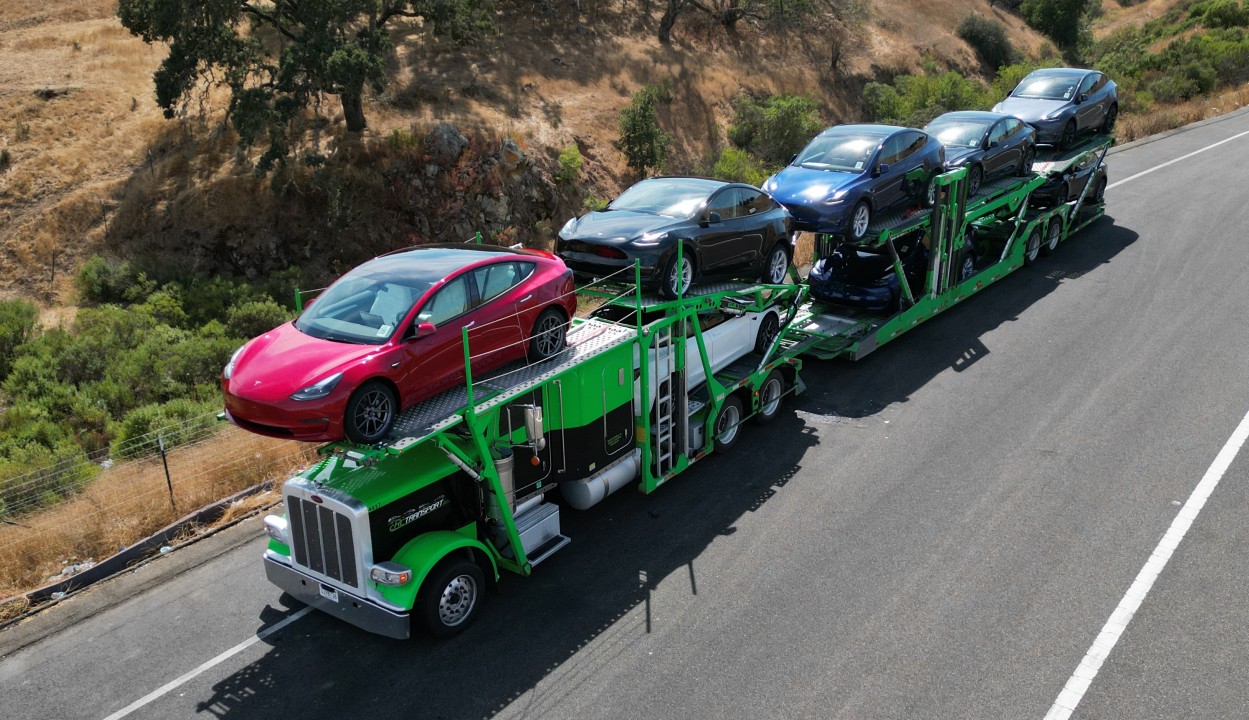
The Global Finished Vehicle Logistics market was valued at more than USD 191.31 Billion in 2025, and expected to reach a market size of more than USD 260.72 Billion by 2031 with the CAGR of 5.43% from 2026-2031.

The Global All Wheel Drive System market was valued at more than USD 45.43 Billion in 2025, and expected to reach a market size of more than USD 71.91 Billion by 2031 with the CAGR of 8.16% from 2026-2031.

The Global Secure Logistics market was valued at more than USD 94.26 Billion in 2025, and expected to reach a market size of more than USD 150.52 Billion by 2031 with the CAGR of 8.32% from 2026-2031.
 We are friendly and approachable, give us a call.