

 By Sunny Keshri
 Top Six Companies Global Airless Packaging Market
Global Airless Packaging Market Outlook, 2030 is projected to reach market size of USD 12.50 Billion by 2030

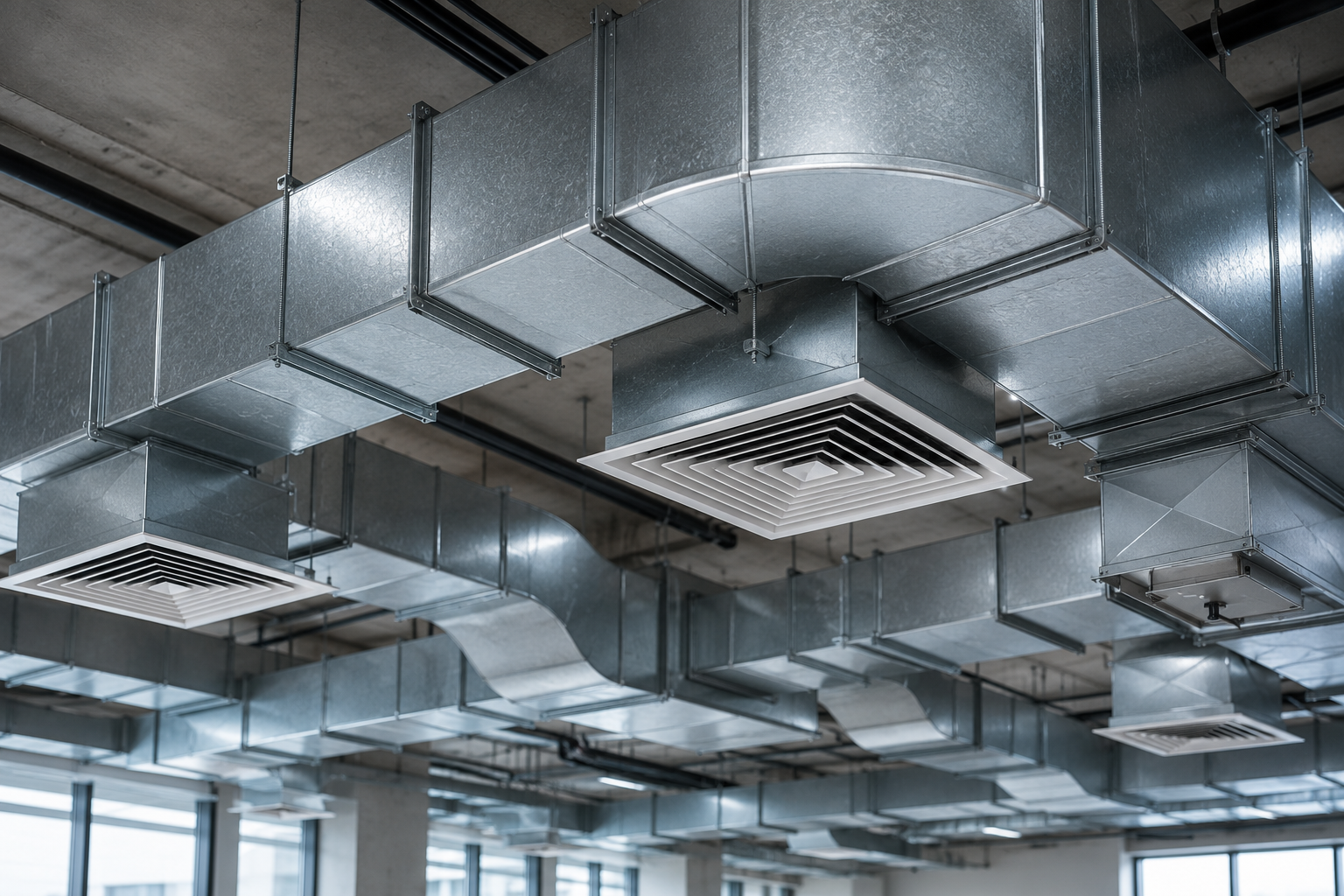
Buildings are no longer judged only by their design they're judged by the air we breathe The Global Air Duct market was valued at more than USD 10.98 Billion in 2025, and expected to reach a market size of more than USD 14.47 Billion by 2031 with the CAGR of 4.83% from 2026-2031. When people think about smart buildings, they often picture automation systems, energy-efficient lighting, or intelligent security. Yet one of the most critical components influencing occupant health and building performance remains hidden behind walls and ceilings the air duct system. Air ducts are the backbone of Heating, Ventilation, and Air Conditioning (HVAC) systems, ensuring the efficient distribution of conditioned air throughout residential, commercial, and industrial buildings. As concerns over indoor air quality, energy efficiency, and occupant wellness continue to grow, the role of air ducts is expanding from simple air distribution to becoming an essential part of healthy, sustainable building design. Today, the air duct market is being reshaped by stricter building regulations, green construction initiatives, and the increasing demand for intelligent ventilation systems. Indoor air quality is driving a new wave of market growth One of the most influential trends shaping the air duct market is the growing emphasis on Indoor Air Quality (IAQ). With individuals spending nearly 90% of their time indoors, maintaining clean, properly ventilated indoor environments has become a priority for homeowners, businesses, healthcare facilities, educational institutions, and governments. Modern air duct systems are designed not only to transport air but also to improve airflow efficiency, reduce airborne contaminants, minimize moisture buildup, and support advanced filtration technologies. Properly engineered ductwork helps HVAC systems deliver consistent airflow while reducing the circulation of dust, allergens, bacteria, and other pollutants. The heightened focus on healthier indoor environments has significantly increased investments in high-performance ventilation infrastructure across both new construction and renovation projects. Energy efficiency is transforming duct system design As buildings account for a substantial share of global energy consumption, improving HVAC efficiency has become a central objective for architects, engineers, and facility managers. Air ducts play a vital role in achieving this goal. Poorly designed or leaking duct systems can result in significant energy losses, forcing HVAC equipment to consume more power to maintain desired indoor temperatures. To address this challenge, manufacturers are introducing insulated duct systems, airtight sealing technologies, and advanced materials that reduce air leakage while improving thermal performance. Optimized duct designs also support lower operating costs, reduced carbon emissions, and greater compliance with green building standards, making energy efficiency a major driver of market innovation. Smart buildings are creating demand for intelligent air distribution The rapid adoption of smart building technologies is changing how HVAC systems operate. Connected sensors, Internet of Things (IoT) platforms, and Building Management Systems (BMS) now monitor airflow, humidity, pressure, and temperature in real time, enabling facility managers to optimize ventilation performance continuously. Air duct systems are increasingly being integrated into these intelligent building ecosystems, allowing automated airflow adjustments based on occupancy levels, air quality measurements, and energy demand. This improves occupant comfort while reducing unnecessary energy consumption. As commercial buildings become more digitally connected, demand for smart-compatible duct solutions is expected to accelerate. Sustainable construction is expanding market opportunities Sustainability has become a defining factor in modern construction projects. Governments and developers are prioritizing environmentally responsible buildings that reduce energy consumption and support healthier indoor environments. Manufacturers are responding by developing duct systems using recyclable metals, lightweight composite materials, and environmentally friendly insulation solutions. These innovations improve installation efficiency while helping projects meet green building certifications such as LEED and other sustainability standards. The combination of environmental regulations and corporate sustainability goals is expected to create long-term opportunities for the air duct market. North America remains a significant market for air duct systems due to ongoing commercial building upgrades, widespread HVAC adoption, and growing investments in indoor air quality improvement. Europe continues to experience steady growth, supported by stringent energy efficiency regulations and increasing renovation of aging building infrastructure. The Asia-Pacific region is projected to register the fastest market expansion during the forecast period. Rapid urbanization, infrastructure development, rising construction activity, and increasing demand for modern HVAC systems are driving growth across countries such as China, India, Japan, and South Korea. The future of the air duct market extends well beyond traditional ventilation. As buildings become smarter, healthier, and more energy efficient, duct systems will play an increasingly strategic role in delivering superior indoor air quality and optimizing HVAC performance. Innovations in antimicrobial coatings, advanced insulation materials, modular duct manufacturing, AI-enabled airflow optimization, and predictive maintenance are expected to redefine the industry over the coming decade. Rather than being viewed as hidden infrastructure, air ducts will become an essential component of intelligent, sustainable buildings designed to improve occupant health while reducing environmental impact. In the years ahead, successful building design will be measured not only by architectural excellence but also by the quality, efficiency, and intelligence of the air moving through every space.
See how you can up your career status

Global Airless Packaging Market Outlook, 2030 is projected to reach market size of USD 12.50 Billion by 2030
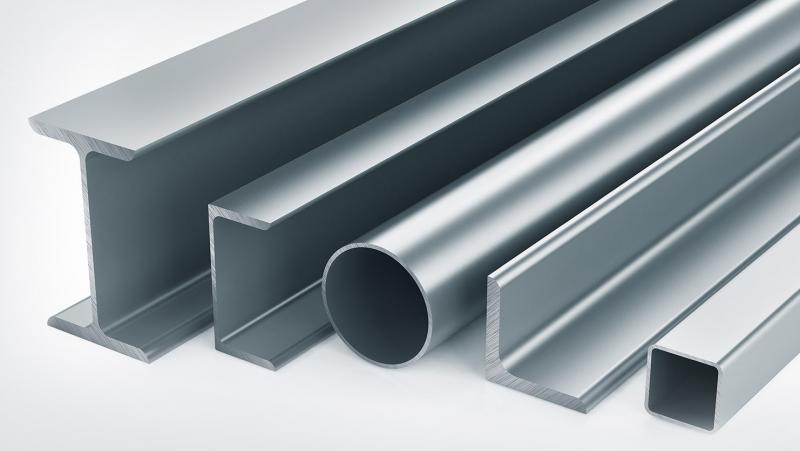
The Global Light Weight Material market was valued at more than USD 217.15 Billion in 2025, and expected to reach a market size of more than USD 354.33 Billion by 2031 with the CAGR of 8.72% from 2026-2031.
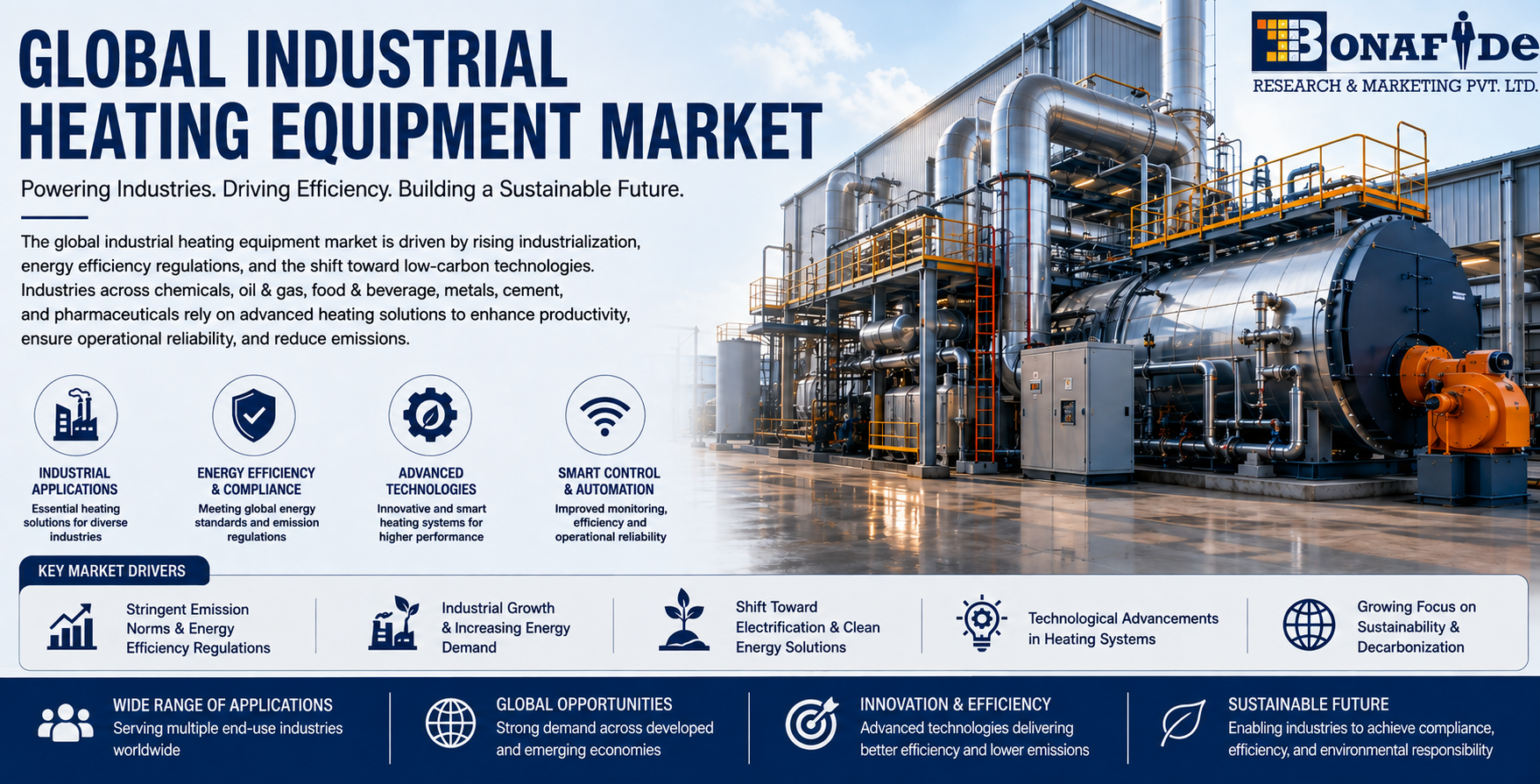
The Global Industrial Heating Equipment Market was valued at more than USD 50.84 Billion in 2025 and is projected to surpass USD 69.78 Billion by 2031, expanding at a CAGR of 5.56% from 2026 to 2031.

The market was valued at USD 109.49 Billion in 2025 and is projected to reach USD 138.71 Billion by 2031, expanding at a 4.12% CAGR from 2026 to 2031.
 We are friendly and approachable, give us a call.